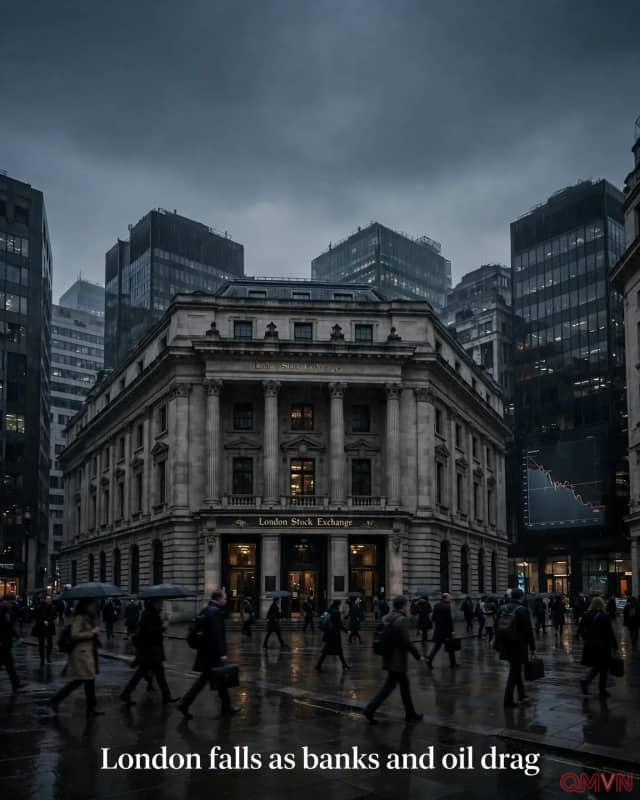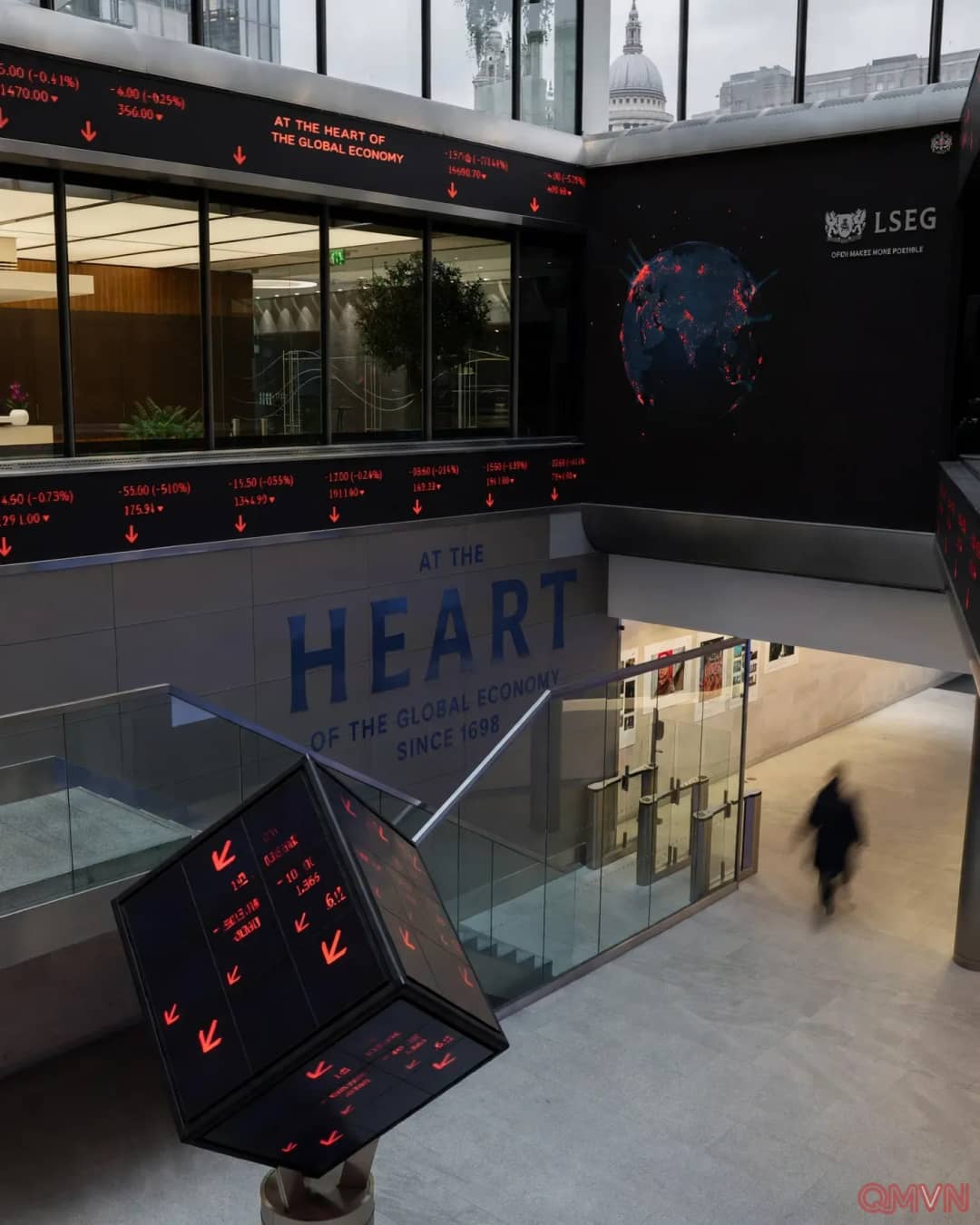
Crude Price Resurgence and Broad London Index Retraction
A violent surge across international energy markets dominated trading desks in the City of London on Friday, severely dampening sentiment across European equity bourses. International benchmark Brent crude futures escalated past technical resistance to trade near $114 per barrel, establishing its highest pricing threshold in over five months amid persistent anxieties over global transit flows.
The petroleum price spike polarized trading performance across domestic indices: while heavy integrated energy producers lifted the oil and gas sector by 2%, capital fled broad-market constituents. The flagship FTSE 100 retreated 0.5% to 10,670 points, while the domestic-focused FTSE 250 tracked toward its sharpest weekly decline in nearly six weeks.
Oil prices hit their highest levels in over five months, with Brent crude trading close to $114 a barrel, lifting energy shares while depressing broader equities.
Aerospace Valuation Slump and Fuel Surcharge Pressures
The aerospace and defense sector incurred the deepest institutional liquidations of the session, declining 4.1% to touch its lowest operational valuations since late May. British engineering bellwether Rolls-Royce anchored the bottom of the FTSE 100 index with a severe 6.4% slide.
Selling pressure cross-pollinated from continental Europe after French peer Safran tumbled 8% in Paris, driven by market warnings that softening aftermarket services could endure into 2027 as commercial airlines prune passenger capacity to offset crushing jet kerosene charges. Concurrently, banking and healthcare sectors dropped 1% and 1.7%, respectively, cementing benchmark losses.
Aerospace and defence shares dropped 4.1% to their lowest levels since late May, with Rolls-Royce bottoming the FTSE 100 with a 6.4% slide.
Collapsing Consumer Confidence and Autumn Budget Vigilance
Domestic macroeconomic indicators released Friday compounded the gloomy atmosphere. British retail sales volumes contracted by 0.4% in September relative to August, significantly undershooting consensus expectations of a modest 0.1% decline. Concurrently, separate consumer confidence metrics posted their most severe single-month deterioration since the outbreak of the pandemic.
With September inflation prints exceeding official targets, money markets have almost fully priced in an interest rate hike by the Bank of England at its forthcoming Monetary Policy Committee meeting in November. The confluence of expensive borrowing costs, punishing retail energy prices, and strategic anxiety ahead of Chancellor John Healey's upcoming national budget has subdued investment momentum.
Consumer confidence plunged in October, registering its steepest monthly fall since the pandemic amid persistent cost-of-living distress.