MAIN CONTENT
A mandate is not a majority
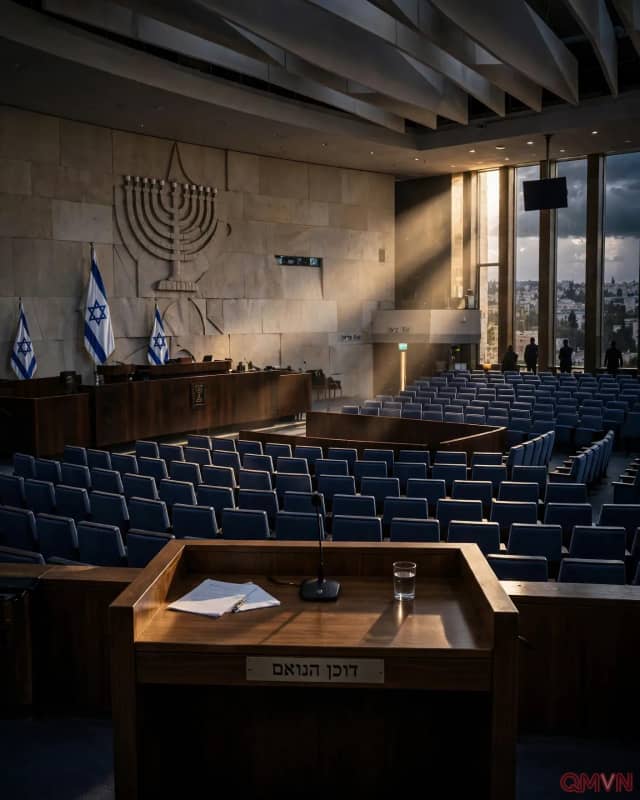
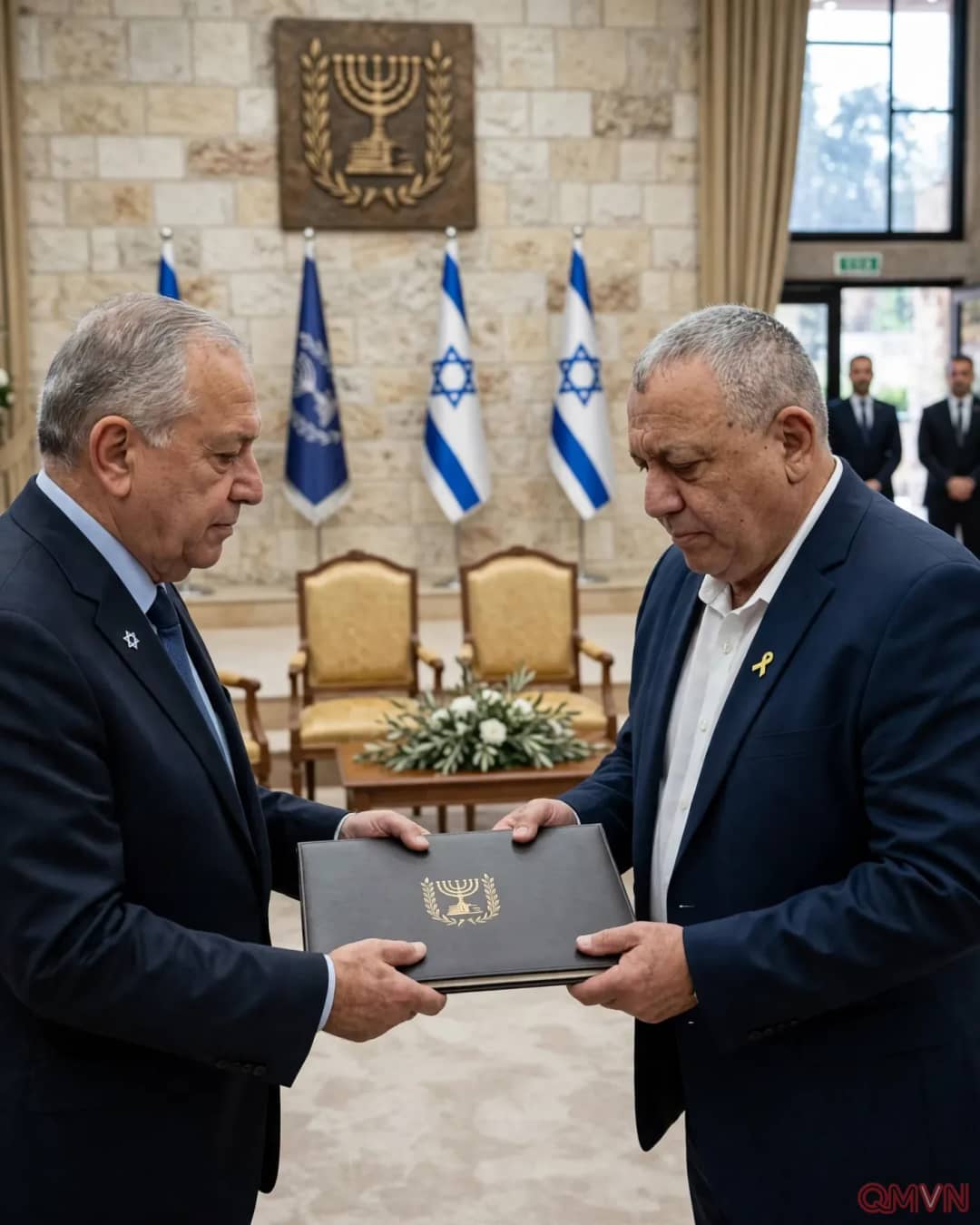
The ceremony at the presidential residence in Jerusalem was constitutionally important but did not settle the contest for power. Herzog said that factions representing 67 members of parliament had recommended Eisenkot, compared with 46 for Netanyahu, while a seven-seat faction made no recommendation. The president explicitly recognized that Likud was the largest individual party. He nevertheless concluded that Eisenkot should be given the first opportunity to seek the Knesset’s confidence.
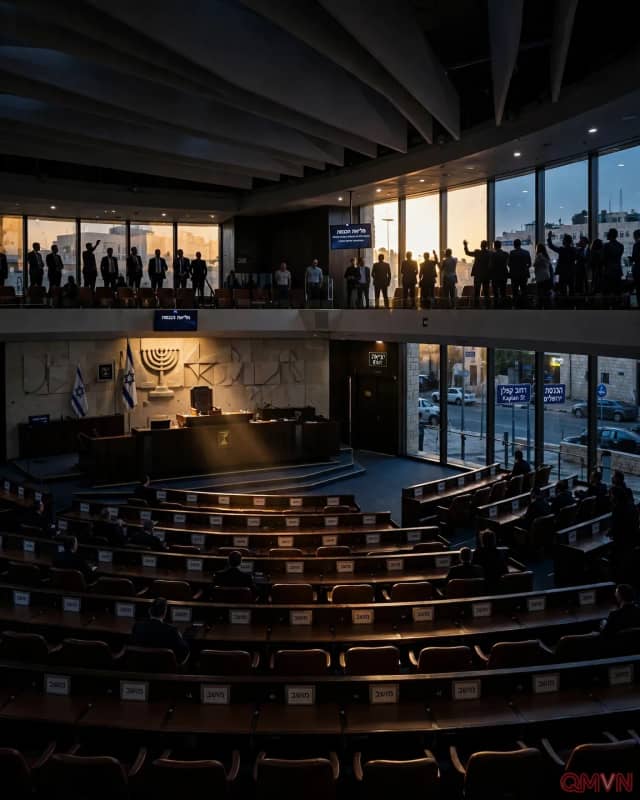
The distinction between recommendations and votes of confidence is central. Eisenkot’s four-party alliance holds 48 seats, while Netanyahu’s wider bloc holds 53. Two parties representing Arab citizens won 19 seats. The numbers explain why the president can give Eisenkot a mandate without knowing whether a governing coalition can actually be formed. Political support expressed during consultations may unravel when ministers, budgets and policy commitments must be negotiated.
Under Israel’s Basic Law, the initial period is 28 days; Herzog can extend it by up to 14 days. That timetable sets a deadline for discussions rather than guaranteeing a result. If the effort fails, other parliamentary routes may be explored. A further election is possible, but it is not the automatic consequence of Eisenkot’s failure.