Twelve wells and a symbolic number
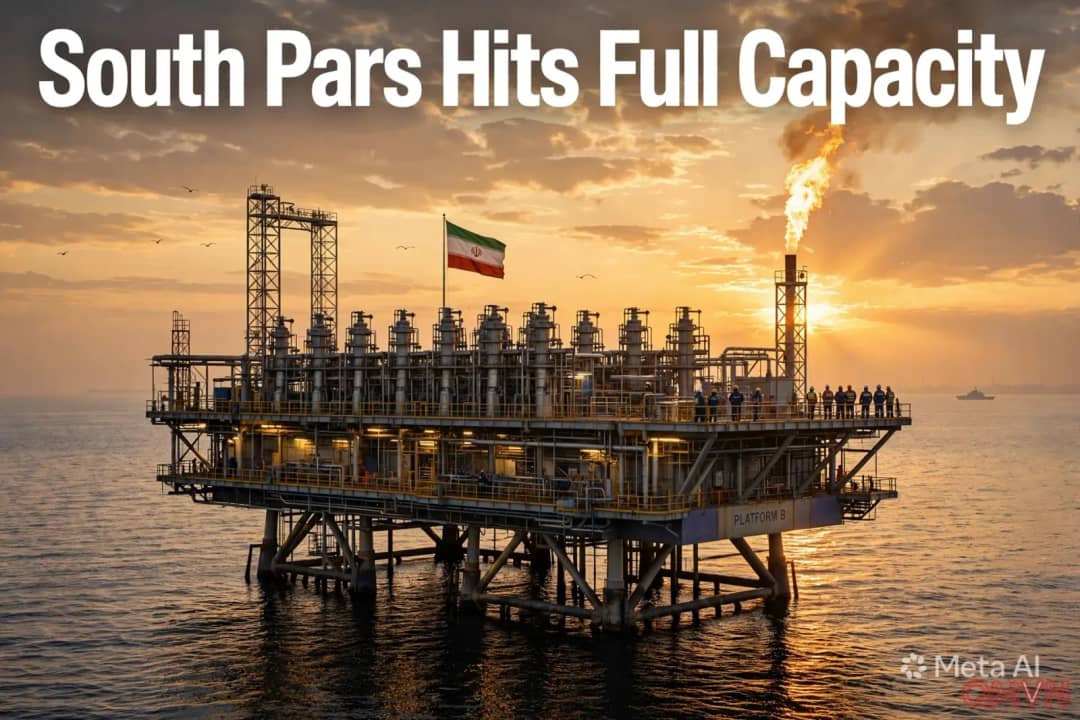
The final step, according to Phase 11 development chief Keyvan Tarighati, was finishing the drilling, completion and perforation of the twelfth well at position B. Engineers lightened the well with nitrogen to start test flows, and after acidising and pressure stabilisation it is due to be connected to full production within days. Tarighati described the new wells as a strategic move to maximise extraction from the shared field and to strengthen Iran's hand in regional energy diplomacy.
Hamidreza Saghafi, chief executive of Petropars, said the result came from round-the-clock offshore drilling and careful resource management that brought the platform to full operation faster than forecast. He framed the production jump as a way to protect national interests at the very edge of the maritime border and to slow pressure decline in a reservoir that Iran shares with Qatar.
From 400 million to 1 billion cubic feet
The pace of development has been striking by the standards of a project long associated with delays. Figures released by the developers show how the platform changed over the past 17 months:
- Active wells at position B tripled from four to twelve, lifting output from about 400 million to roughly 1 billion cubic feet a day.