MAIN CONTENT
A capital under water
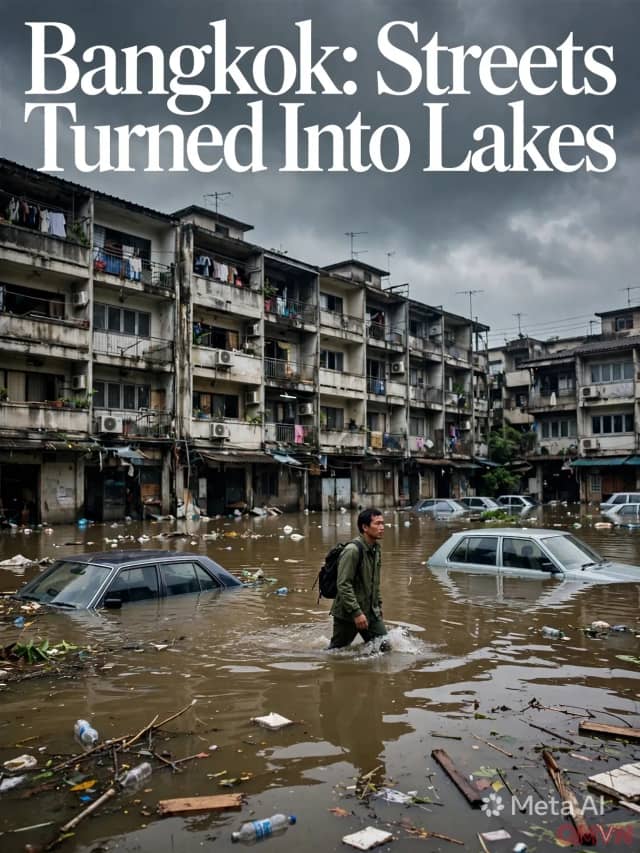
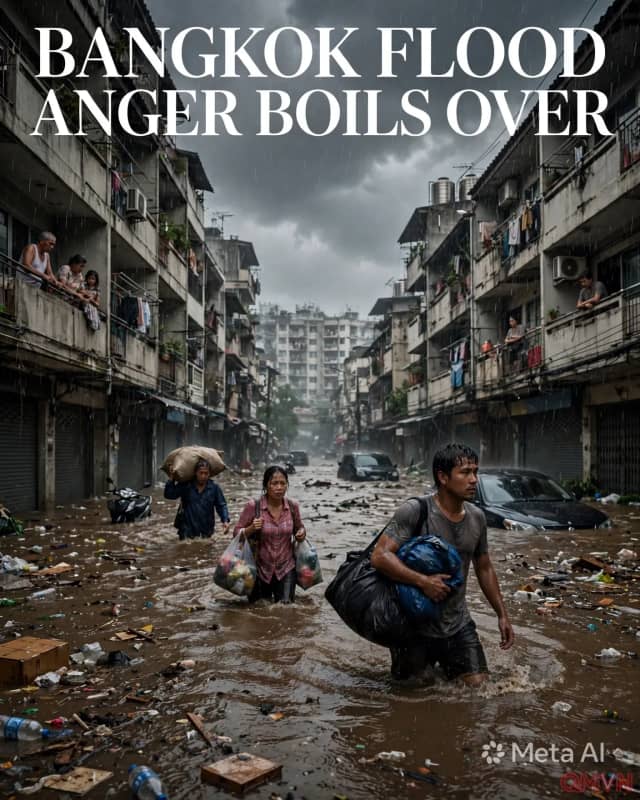
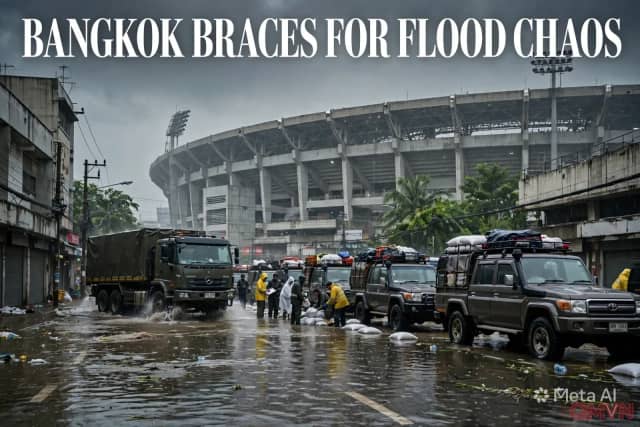
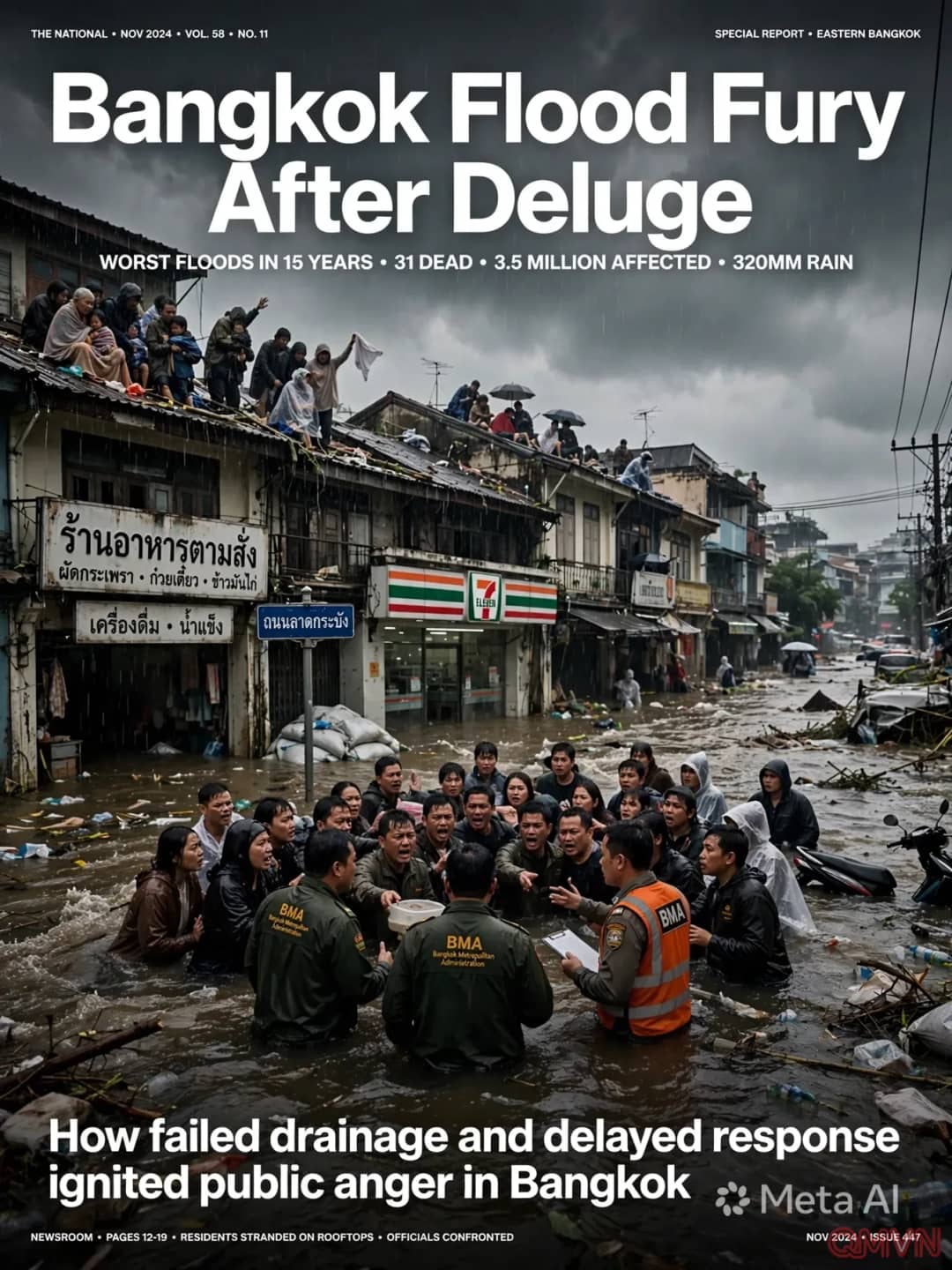
The rain came hard and fast. Over three days in late September, around 320 millimetres fell on Bangkok, filling drains and canals to capacity and inundating roughly a tenth of the city, mostly in the east and northeast, according to The Independent and other outlets. Districts such as Bang Kapi turned into rivers, cars sank on flooded roads and operations at the main airport were thrown into disarray.
Nationwide, the toll has been heavy. At least 31 people have died and nearly 3.5 million have been affected since mid-September, with dozens of provinces hit. In some Bangkok neighbourhoods, families spent days trapped in their homes without electricity, running water or fresh food, relying on volunteers and boats for supplies.
Anger on the water
For many residents, frustration quickly turned into open anger. When Anutin arrived by boat to distribute food and water at a flooded housing estate, a man approached and shouted at him, a scene reported by local media and echoed at several places the prime minister visited in the preceding days. Social media filled with complaints about late warnings, slow drainage and poor coordination between national and city authorities.