A Major Security Operation
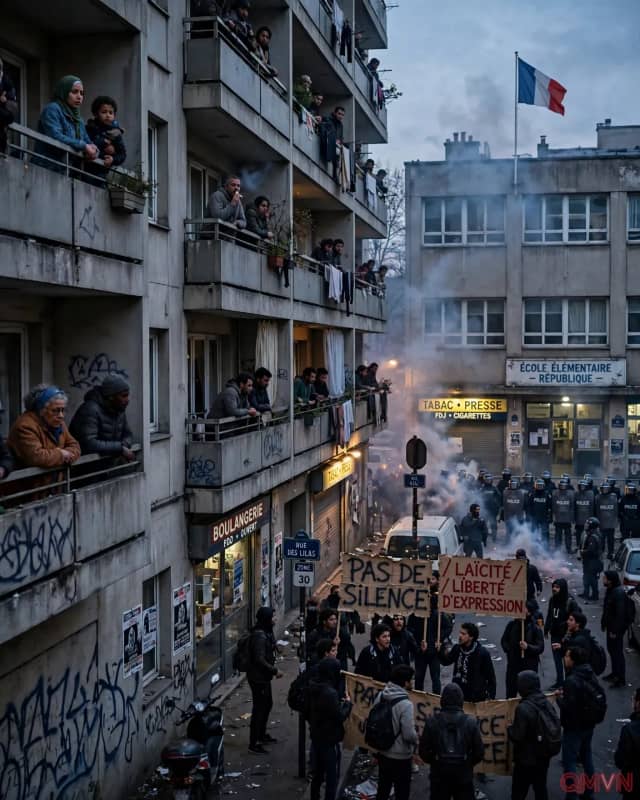
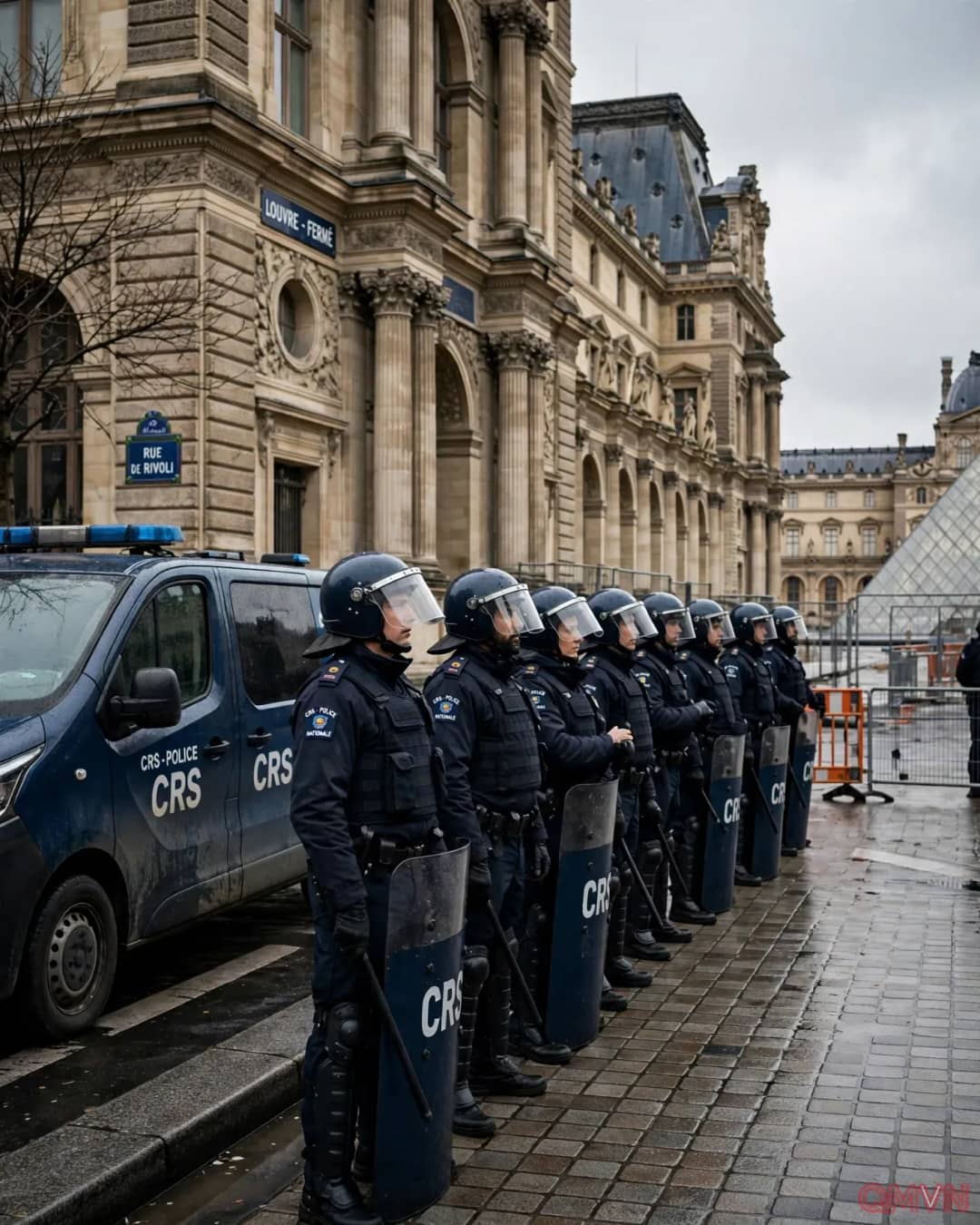
After meetings involving President Emmanuel Macron, Prime Minister Sébastien Lecornu and senior security officials, Interior Minister Laurent Nunez said 10,000 more police would be on the streets than a week earlier. The specialist RAID and GIGN units, mounted police, helicopters, drones and anti-drone systems will be deployed nationwide; armoured vehicles and water cannon will also be available, while curfews imposed in some sensitive areas remain in force.
We will be uncompromising with rioters, looters and all those who commit acts of violence.
According to Nunez, authorities have identified numerous online calls from hard-left groups encouraging attacks and urging activists to target public buildings. He stressed that this was “not a nice, friendly demonstration” and said security forces would be “extremely vigilant, extremely firm”.
Paris Shuts Its Doors as a Precaution
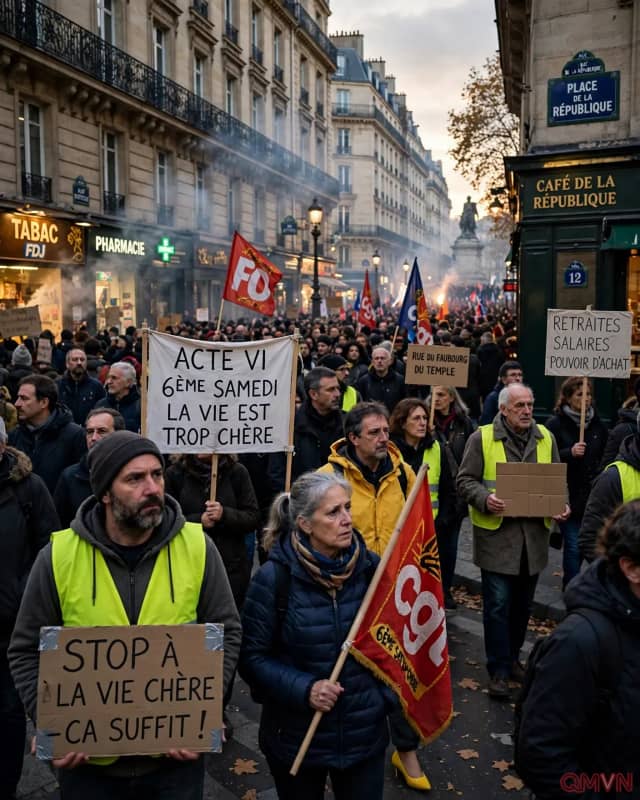
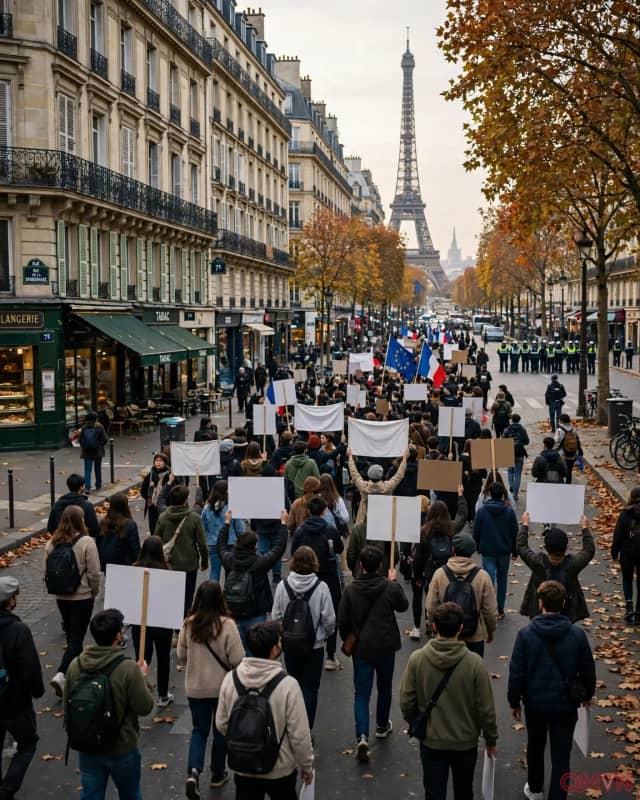
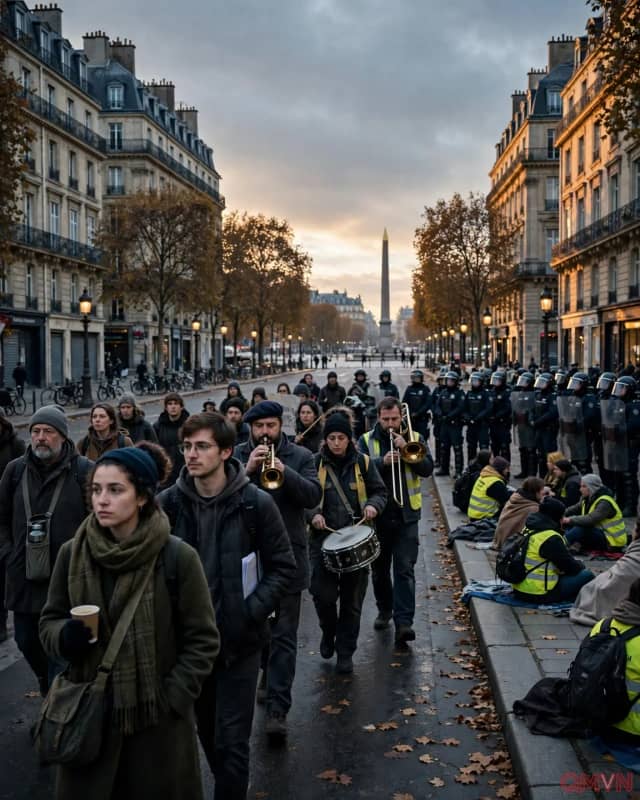
Police have authorised only a union march in Paris, rejecting requests for rallies from France’s main student union, UNEF, and the Yellow Vest movement – an anti-establishment force that first emerged in 2018. Many other cities, including Marseille and Lyon, have also banned protests.
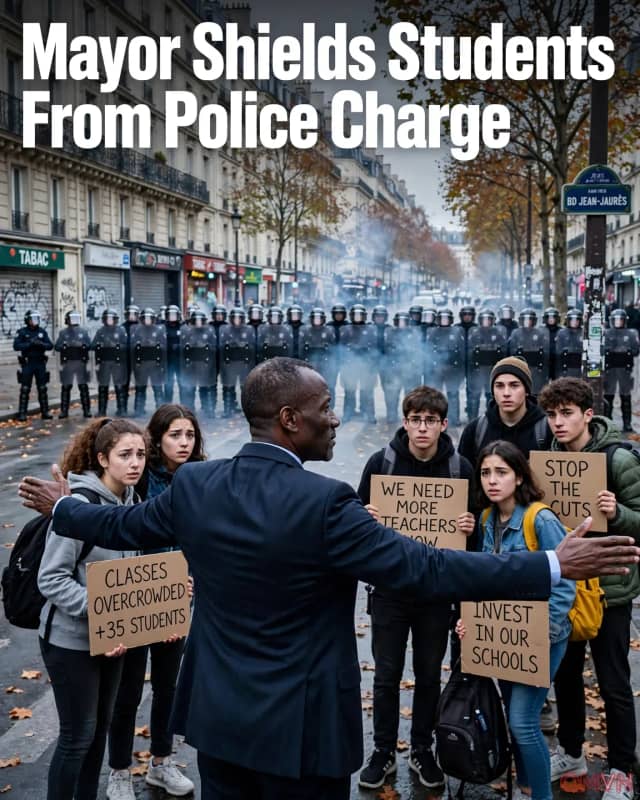
UNEF, whose rallies grew out of high school protests last month against teacher shortages and run-down facilities, said it would go ahead regardless.
Fears of renewed turmoil prompted several of Paris’ best-known cultural institutions, including the Louvre, to close on Saturday, while the Art Basel fair will remain shut all weekend. Business groups urged shops to close after some 3,000 stores and businesses were ransacked and looted last weekend. The main precautionary measures include:
- Mobilising 70,000 police officers along with the RAID and GIGN specialist units.
- Banning protests in many cities, including Marseille and Lyon.
- Closing museums, art events and shops to avoid damage.
Voices From Unions and Students
Anger over living costs and strained public services has drawn students, workers and unions onto the streets for weeks, although authorities say radical militants and bands of young looters have exploited the dispute to sow chaos. President Macron is due to meet student representatives for the first time on Friday afternoon in a bid to de-escalate the crisis.
It’s counterproductive because there is a lot of anger, a lot of anger and a demand to be considered and to be listened to.
Speaking on broadcaster TF1, the general secretary of the CFDT, one of the country’s largest trade unions, said it was not for the president to decide who can legitimately request to protest. Her view reflects the fine line between maintaining order and respecting freedom of assembly.
A Far-Right Congress and a Political Shadow
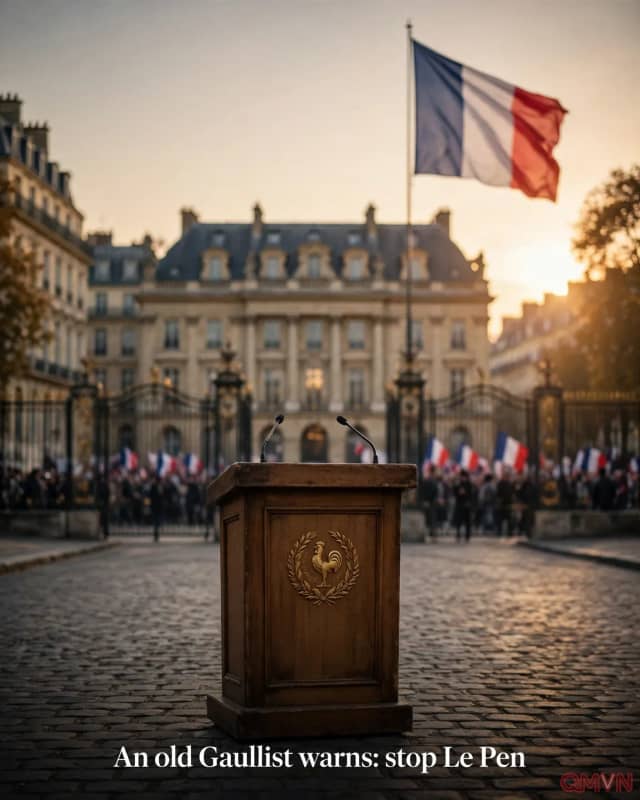
Authorities are also concerned that the annual congress of Marine Le Pen’s far-right National Rally in Orleans this weekend could become a flashpoint, with left-wing and anti-racist groups announcing counter-demonstrations. The surge of violence has boosted poll ratings for Le Pen, the frontrunner for next year’s presidential election, who has portrayed the unrest as evidence of a collapse in state authority. Adding to tensions, a shooting west of Paris on Friday killed one person and injured four in an attack that police said could be racially motivated.
The social turmoil has also intensified scrutiny of France’s economic outlook, with Moody’s widely expected to cut its credit rating. Saturday will test not only the security forces but also the ability of a long-established democracy to listen to angry voices without letting violence speak in their place.