MAIN ARTICLE
The argument over legal force
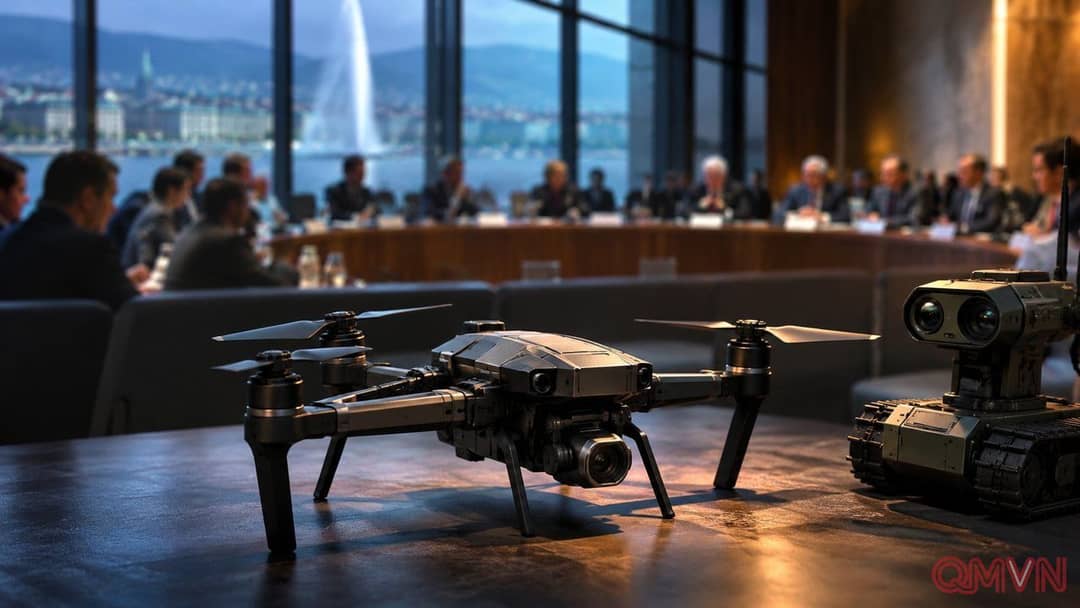
The seventh review conference of the Convention on Certain Conventional Weapons (CCW) brings states together at UN headquarters in Geneva. The immediate task is not to sign a finished treaty. It is to decide whether to authorize formal negotiations on prohibitions and restrictions for lethal autonomous weapon systems, often abbreviated LAWS. A binding protocol and a voluntary statement can sound similar in diplomatic language, yet they differ sharply in what governments must subsequently do.
Reuters reported on November 16 that the United States proposed a five-year process toward a nonbinding outcome, while the conference chair offered a two-year mandate to negotiate a legally binding protocol. Britain, Germany and France support opening negotiations without prejudging the instrument's legal character. Diplomats have also considered intermediate formulas combining obligatory provisions and softer political commitments. Such compromises could keep talks alive, although they might leave the most difficult operational limits unsettled.
What autonomy really means on the battlefield
Not every drone or AI-supported military system is a fully autonomous weapon. Tools that assist humans in identifying targets differ from weapons monitored by an operator, and both differ from systems that can select and attack targets after activation without further human input.