MAIN CONTENT
More than a technology executive
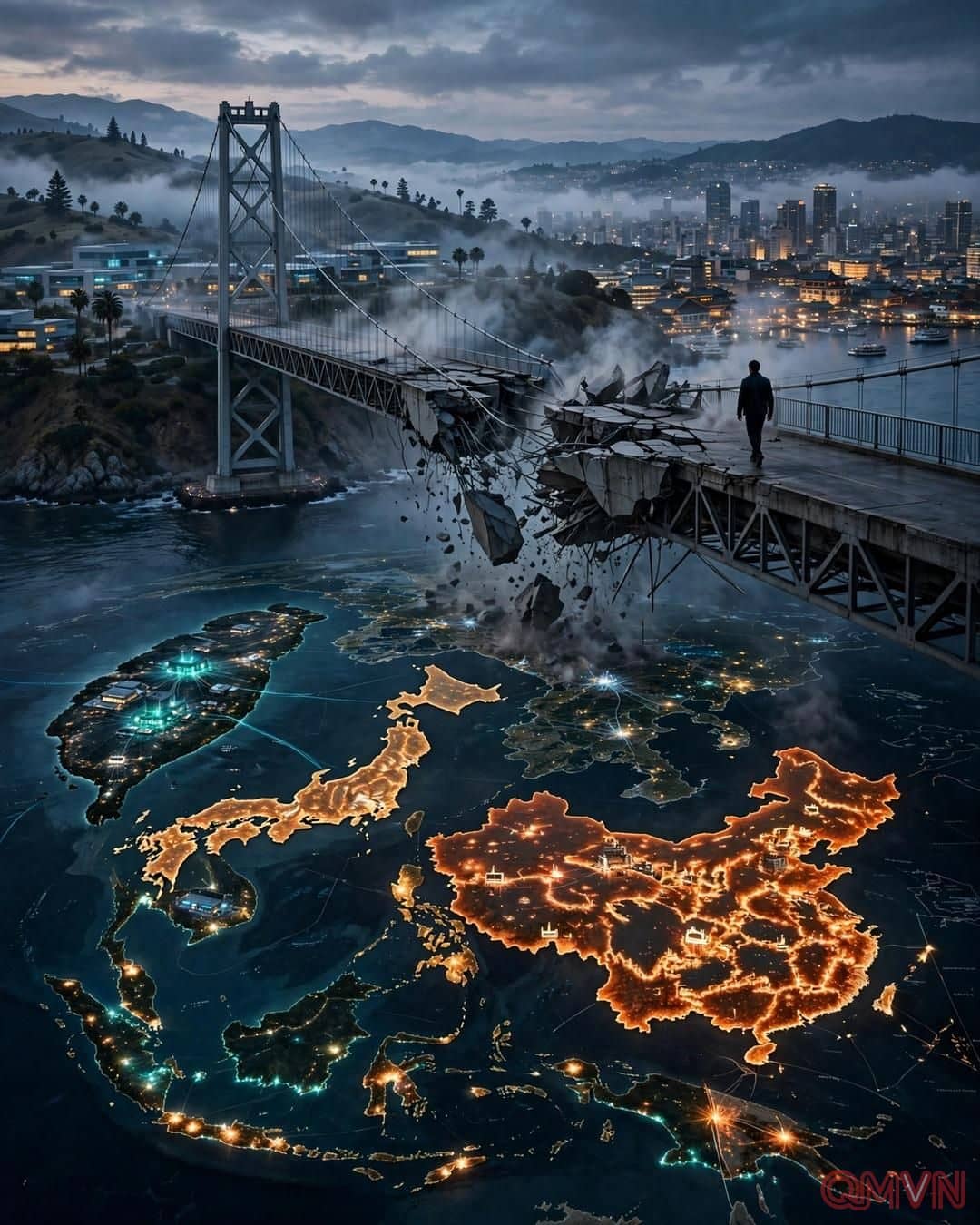
Huang’s frequent visits to Asian capitals were business negotiations and public spectacles rolled into one. In Taiwan he was celebrated by fans and nurtured relationships with TSMC, the manufacturer behind Nvidia’s leading chips. In South Korea he met executives of Samsung Electronics and SK Hynix, whose high-bandwidth memory is critical to modern AI accelerators. In Japan he promoted industrial robotics and national AI systems, making abstract investments feel like a visible industrial mission.
That personal network allowed Huang to translate technical priorities into language that appealed to governments: AI capacity could be treated as strategic infrastructure rather than merely purchased computing services. Yet personal diplomacy has limits. Supply agreements, technical standards and capital commitments outlast individual leaders, but a leadership change can slow decisions and sharpen questions about governance. Reuters reported on November 13 that South Korea had received assurances Nvidia would maintain a pledge to provide 260,000 advanced GPUs, an early indication of institutional continuity.
China weighs its next move
In China, Huang had argued that allowing American technology to compete abroad could preserve U.S. commercial influence. Stricter chip restrictions, he warned, could help domestic alternatives gain customers.