MAIN ARTICLE
When smoke becomes a diplomatic issue
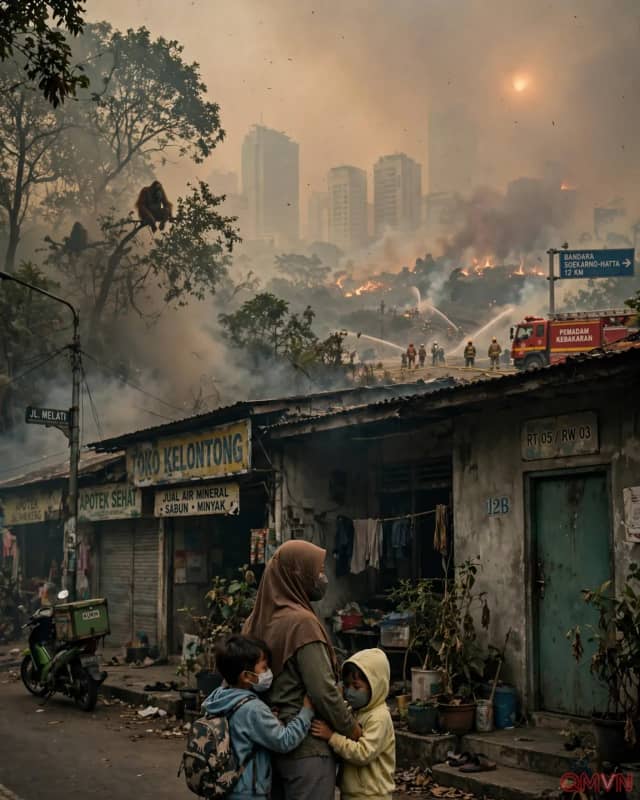
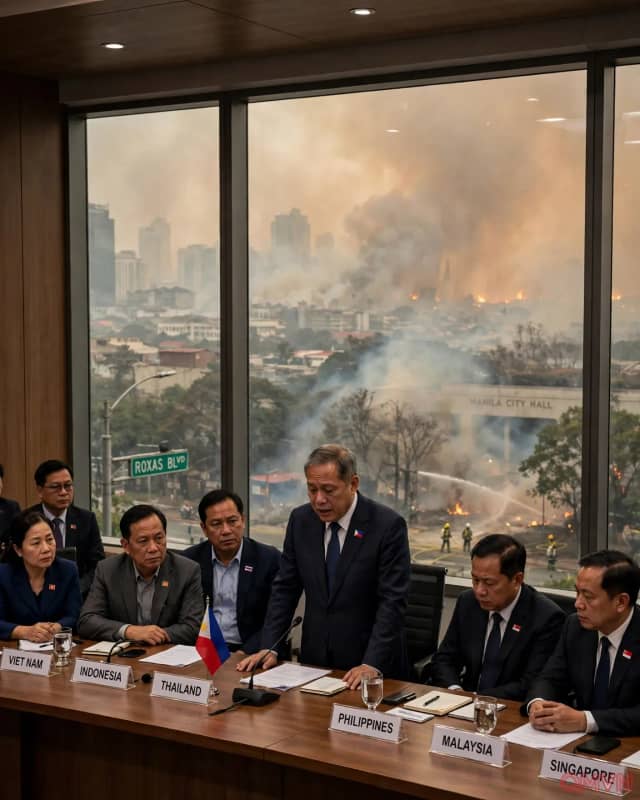
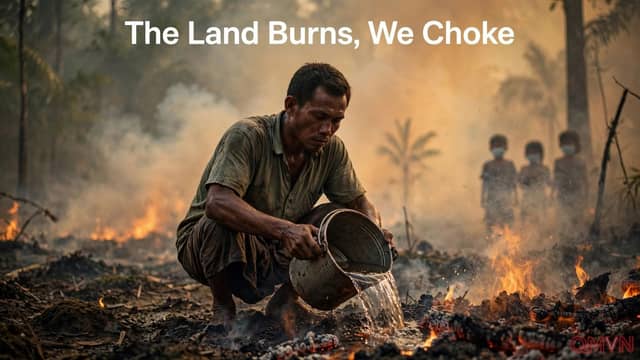
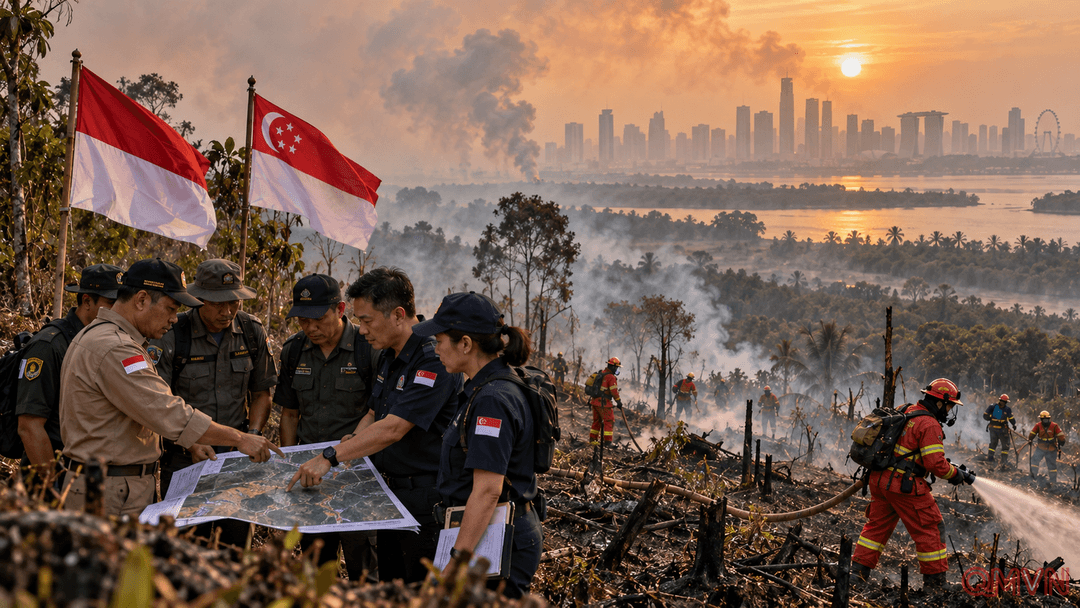
The Jakarta meeting followed weeks of haze that turned a recurring dry-season hazard into a test of relations between two neighbors. Fires in western Indonesia, including on peatland, can release dense smoke carried over long distances by shifting winds. Families with no say in how plantations or forests are managed can suffer the consequences far from the original blaze.
Vivian Balakrishnan drew a distinction between El Niño and human activity. Hotter, drier conditions can raise fire risks, but setting fire to forests and land is a human decision. That distinction matters: controlling the problem requires scrutiny of business practices as well as emergency crews when cities are already shrouded in smoke.
Indonesia itself bears a heavy burden from the pollution. Cooperation therefore has a public-health rationale beyond a dispute between the place where smoke originates and the places it reaches.
Following corporate links and financial trails
The proposed task force would connect corporate information, financial intelligence and cross-border evidence collection. Arrmanatha Nasir argued that smoke crosses borders and money can do the same: understanding ownership structures, contracts and commercial beneficiaries could help investigators determine who profits from destructive burning.