MAIN CONTENT
From the blast site to soldiers searching for emergency care themselves
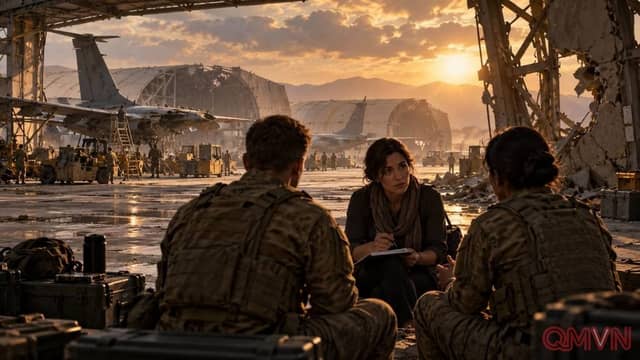
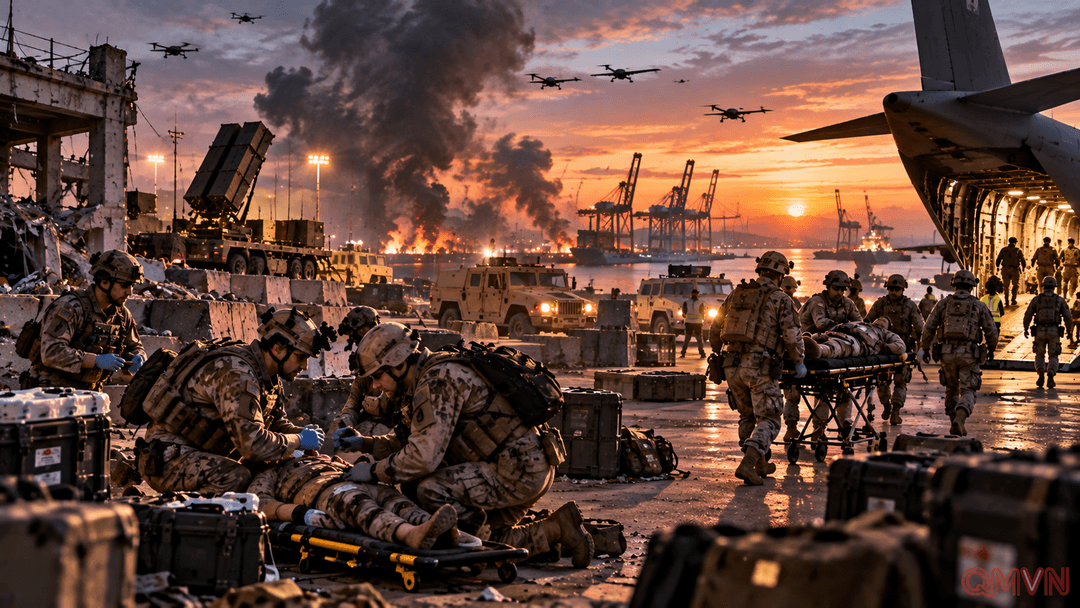
AP reported that soldiers at Port Shuaiba treated one another in the immediate aftermath of the March 1 attack. U.S. troops carry tourniquets and receive combat first-aid training, but several survivors said the unit had not implemented a broad mass-casualty plan. With the port hit and communications under pressure, soldiers whose phones still worked used Google to identify nearby medical facilities in Kuwait City, about 20 minutes away.
The most seriously wounded were taken to hospitals in Kuwait, while air evacuation was complicated by continuing Iranian missile and drone attacks. Some casualties remained in the country for days before flights could depart. The episode illustrates a modern-war contradiction: the United States possesses extraordinary global logistics, yet at the point of impact, wounded troops can still depend on improvised decisions, personal devices and the initiative of fellow soldiers to begin the medical chain.
From Kuwait to Landstuhl, survivors describe gaps in continuity of care
Lt. Col. Arturo Lincón suffered shrapnel wounds through his jaw, salivary gland and neck, including damage to a vertebral artery that carries blood to the brain. After surgery in Kuwait, he was evacuated to Germany.