CONTENT
Urban households reshape grocery shopping habits under rising inflationary pressures
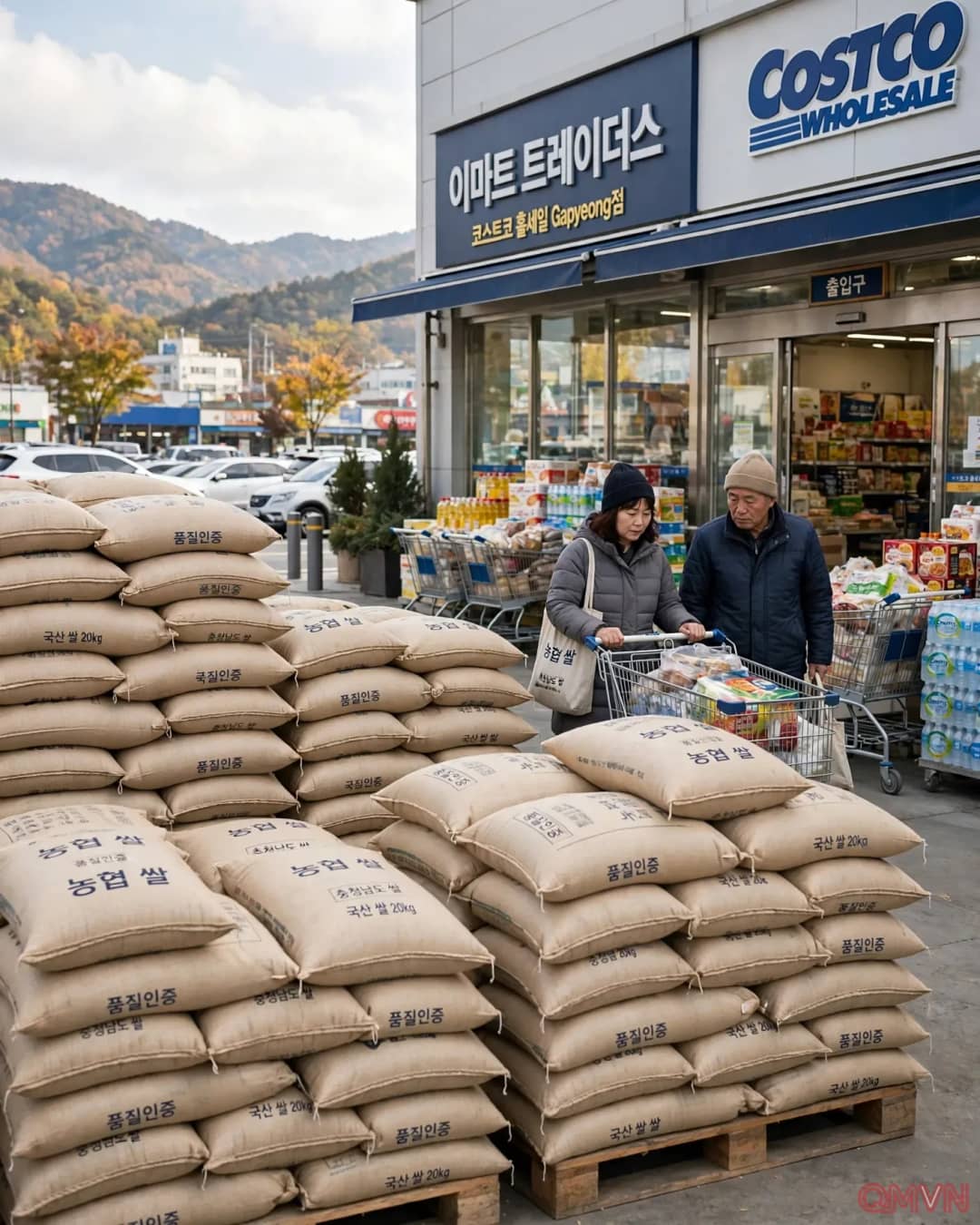
In Seoul's Gwangjin district, a routine monthly pilgrimage to Costco has become indispensable for Kim Eun-young, a 42-year-old mother of two. Previously accustomed to purchasing daily groceries on demand at local supermarkets, escalating checkout bills compelled her to fundamentally restructure her household purchasing strategy. Purchasing essential food staples and everyday domestic goods in bulk has emerged as a proven mechanism to curb overall recurring expenses for her four-member household.
Data compiled by retail market tracker WiseApp Retail reveals that estimated payment card transactions across Costco South Korea and local rival Emart Traders reached an all-time record of 1.45 trillion won (US$1.1 billion) in September. Based on representative credit and debit card samples, these findings confirm that South Korean consumers are actively pursuing defensive financial maneuvers, accepting higher upfront register receipts in return for substantial per-unit savings across staple dietary categories.
"The bill is bigger each time, but buying in bulk works out cheaper for the same amount. I mainly buy food we eat regularly and everyday household essentials, and divide the food into meal-sized portions for storage." - Kim Eun-young
Record card spending milestone: Combined September purchases at Costco and Traders exceeded 1.45 trillion won, confirming an accelerating consumer pivot toward warehouse formats.