MAIN CONTENT
A sales forecast that unsettles expectations
A revenue contraction of 3.5% to 5.5% is a consequential signal from one of America's largest meat processors. Analysts surveyed by LSEG had expected a decline of about 1%. Tyson said the difference principally reflects lower beef volumes after restructuring its processing network and amid a shortage of animals ready for slaughter. A smaller operating footprint can reduce fixed costs, but it cannot immediately replace the lost throughput of closed facilities.
The company expects adjusted operating income of $1.7 billion to $2.15 billion, compared with approximately $1.98 billion in fiscal 2026. The wide interval is as important as the midpoint: it suggests that cattle availability, commodity costs and demand can still substantially alter the year's outcome. These are company forecasts, not guaranteed results, and adjusted profit is a non-GAAP measure that should be considered alongside statutory earnings.
Beef scarcity becomes a structural problem
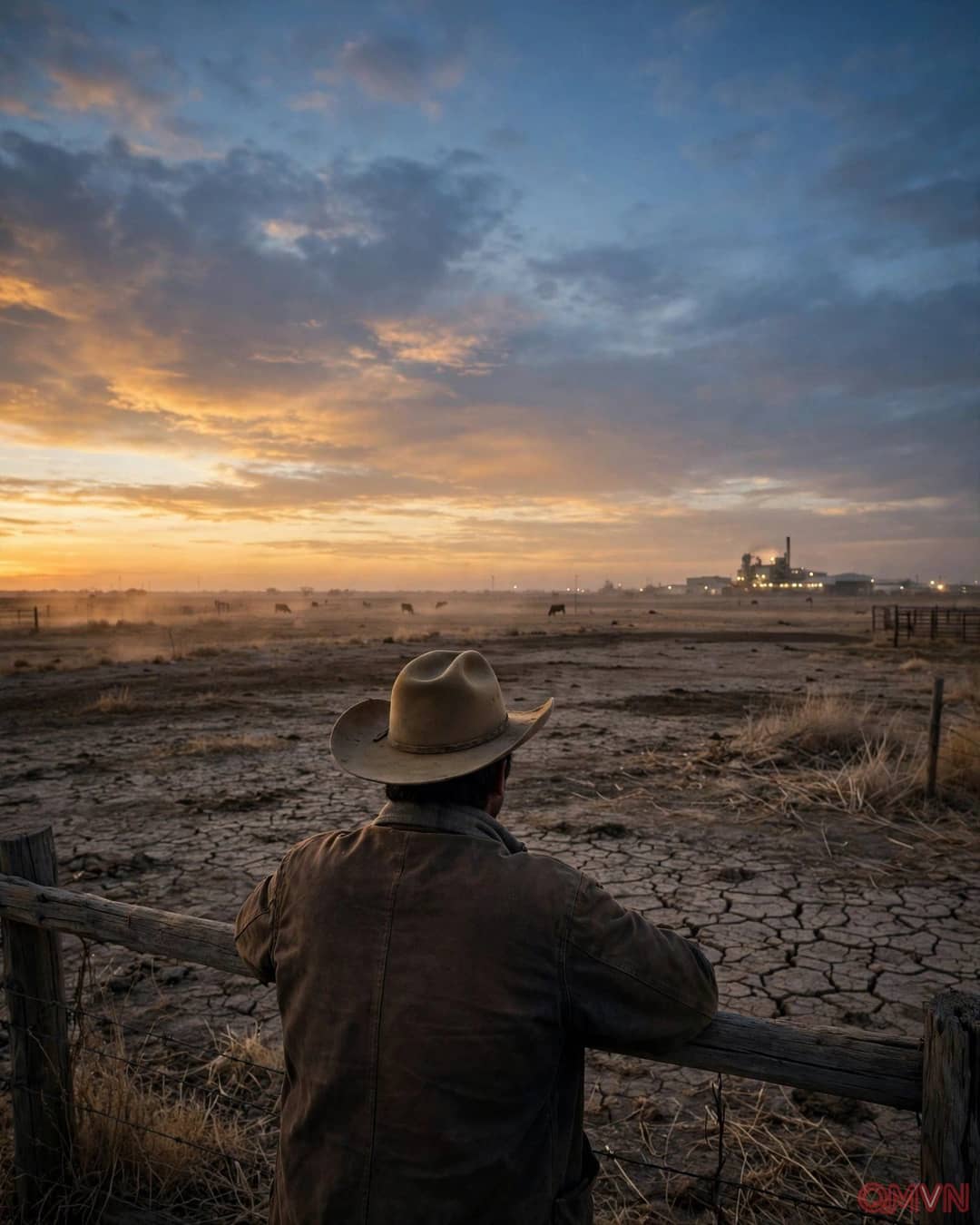
Years of drought have weakened American cattle herds, while restrictions on live-cattle shipments from Mexico intended to prevent the spread of a livestock pest further constrained supplies. Reuters reported that US cattle inventories had fallen to their lowest level in roughly 75 years.