MAIN ARTICLE
Why some younger voters are turning to the hard right
In the campaign, Ben-Gvir has sought support well beyond the militant settler circles traditionally associated with his movement. He has carried messages about personal safety, national pride and forceful retaliation into urban neighborhoods and the social-media environments through which younger Israelis follow politics. Years of war and persistent insecurity have made those themes powerful to some voters.
Reuters cited an Agam Labs survey at the Hebrew University of Jerusalem finding Jewish Power supporters younger than Israel's average voter, with up to one-third expected to cast a ballot for the first time. That suggests a possible generational shift, not evidence that Israeli youth as a whole endorse the far right. Young citizens differ in geography, religious commitments, wartime experience and views of Palestinian rights.
An 18-year-old student from Beit Shemesh described to Reuters how he moved from skepticism toward Ben-Gvir to agreement with his arguments. A Tel Aviv resident, meanwhile, welcomed broader firearm permits as a source of personal reassurance. Their experiences help explain the appeal of particular policies, although interviews cannot replace representative polling or independent evidence about the policies' effectiveness.
How eight seats could become formidable leverage
Israel's proportional electoral system allocates 120 Knesset seats among party lists that clear a 3.25% threshold. A viable governing coalition normally needs at least 61 seats.
Jewish Power relied on a joint slate with other far-right parties in 2022, but surveys before this October 27 vote projected that it could independently gain approximately eight seats or more.
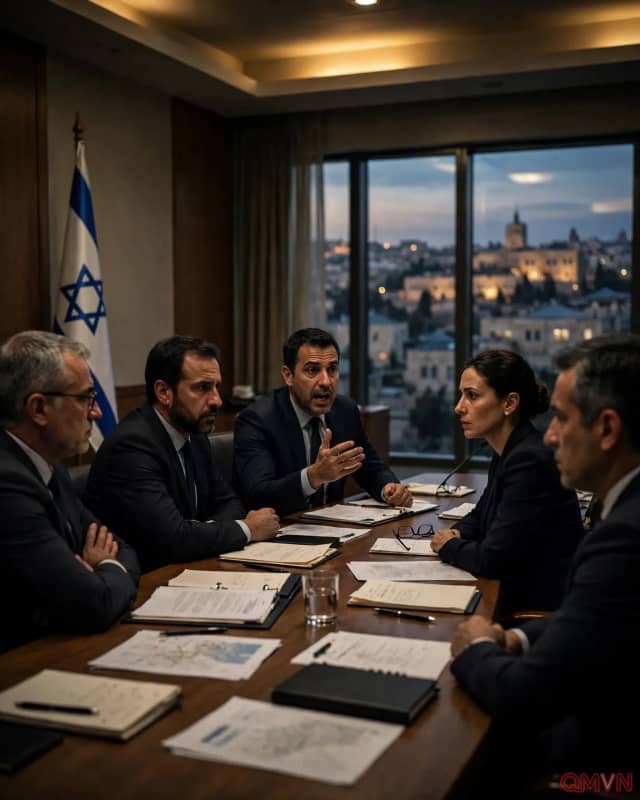
That projection does not automatically make Ben-Gvir the election's kingmaker. The political value of every seat depends on coalition combinations, relations with religious parties and whether other potential partners are prepared to negotiate. Reuters reported that neither Netanyahu's camp nor the main Jewish-led opposition parties, spearheaded by former military chief Gadi Eisenkot, appeared to have a straightforward majority. The contest is therefore about more than which party tops the vote count; it is also about who can assemble workable agreements.
Jewish Power's rise places further pressure on Likud and Netanyahu's allies. Likud was expected to surrender seats compared with the previous election, while Ben-Gvir's uncompromising language attracted voters who wanted more forceful action. Yet additional seats for Jewish Power do not, by themselves, guarantee that the broader governing bloc will reach a parliamentary majority.
Security, human rights and the limits of lawful power
Supporters credit Ben-Gvir with speaking plainly about threats and widening options for self-defense. Critics, including rights groups and foreign governments, accuse him of advocating discriminatory policies and deepening the conflict. Reuters recalled his 2007 conviction for racist incitement and supporting a banned organization, part of a political history that continues to shadow his ministerial role.
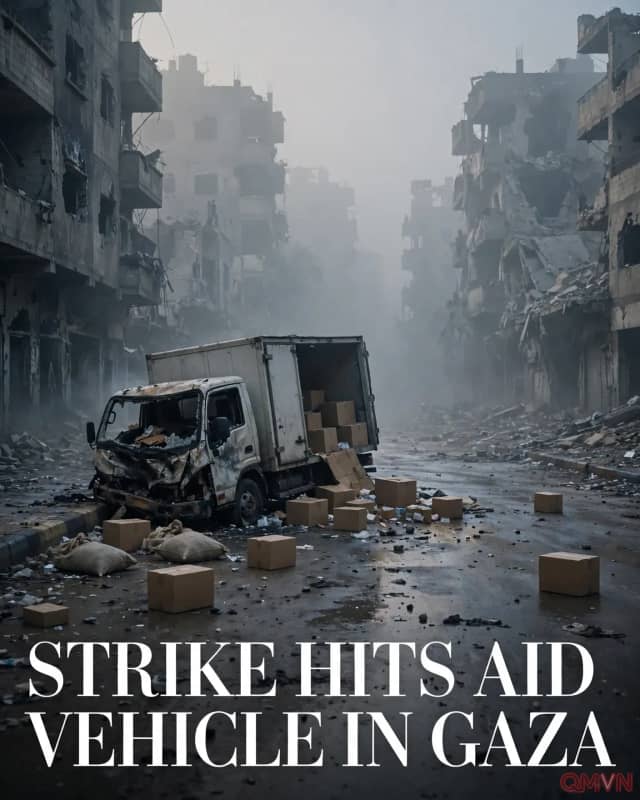
He has championed harsh treatment of Palestinian detainees and celebrated legislation prescribing hanging as the default penalty in certain attacks against Israelis. Questions about equality before the law have led to predictions that Israeli courts could invalidate the measure. Calls to conquer Gaza have added another divisive element, with implications for diplomacy and Palestinians' political future.
In 2025, Britain, Australia, Canada, New Zealand and Norway sanctioned Ben-Gvir and Finance Minister Bezalel Smotrich over alleged incitement of violence in the West Bank. These were governmental sanctions decisions, not convictions by an international criminal court. International condemnation may alienate some voters, but supporters portray it as evidence that Ben-Gvir resists foreign pressure.
Beyond election night: the long test of democracy
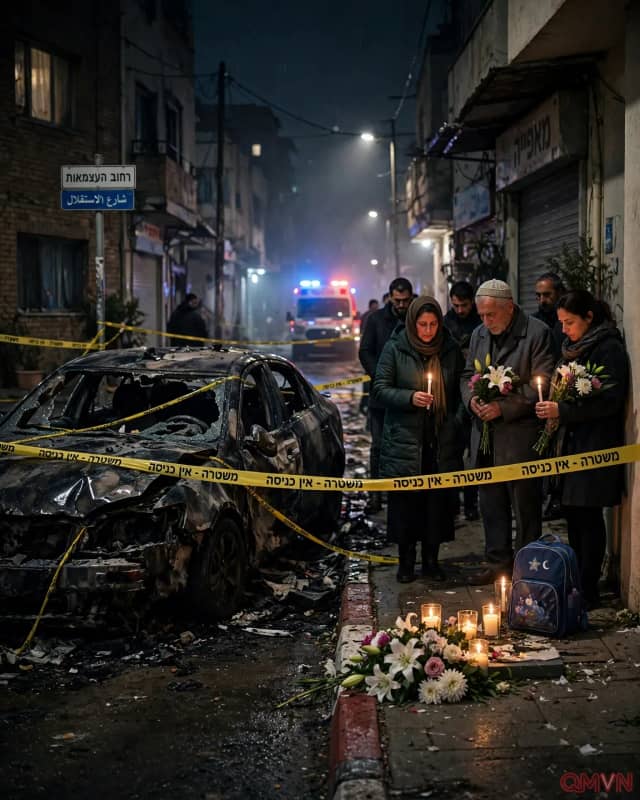
Following the Hamas-led October 7, 2023 attacks and the subsequent wars, security has dominated Israeli politics. Debates also concern government accountability for intelligence failures, economic well-being, the country's international relationships and the future of Gaza. A shared experience of fear can lead citizens toward very different political conclusions.
Pre-election data measure possibilities, not final outcomes. An anticipated increase in seats cannot establish that a party will enter the next cabinet or obtain decisive policy concessions. Actual vote totals, seat allocations and negotiations after polling closes will determine Ben-Gvir's real bargaining power.
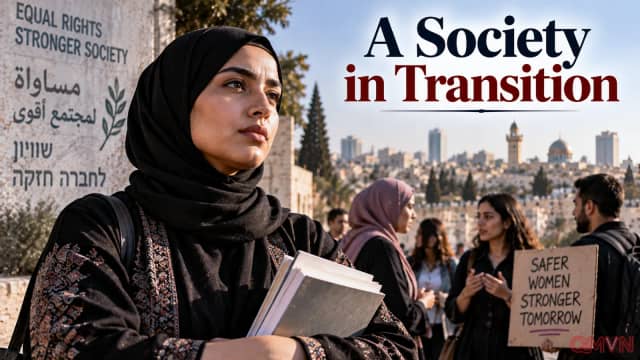
The broader challenge reaches beyond an individual politician: can a demand for security be met while preserving legal equality and the rights of minorities? In a democracy, power is judged not only by its ability to rally supporters but also by how it treats dissenters and vulnerable communities.
Subscribe to the QMVN newsletter
A daily morning digest - only stories worth reading, no spam.