MAIN ARTICLE
An electoral defeat too large for slogans
The election on May 7, 2026, ended an era: Labour was no longer the largest force in the Senedd for the first time since Welsh devolution began in 1999. Official results gave Plaid Cymru 444,665 votes and 43 seats, Reform UK 367,985 votes and 34 seats, and Labour 139,203 votes and nine seats. These figures represent more than a temporary reshuffle. They suggest that voters have revised their relationship with a party long associated with the institutions of Welsh government.
The election used a new proportional system, with 16 six-member constituencies and a parliament enlarged from 60 to 96 seats. Direct comparisons of seat counts with previous elections therefore require caution. But Labour’s roughly 11% vote share cannot be explained away by electoral mechanics alone. Its central challenge is to understand why former supporters sought alternatives and why the party’s established record no longer persuaded them.
Listening must become a share of power
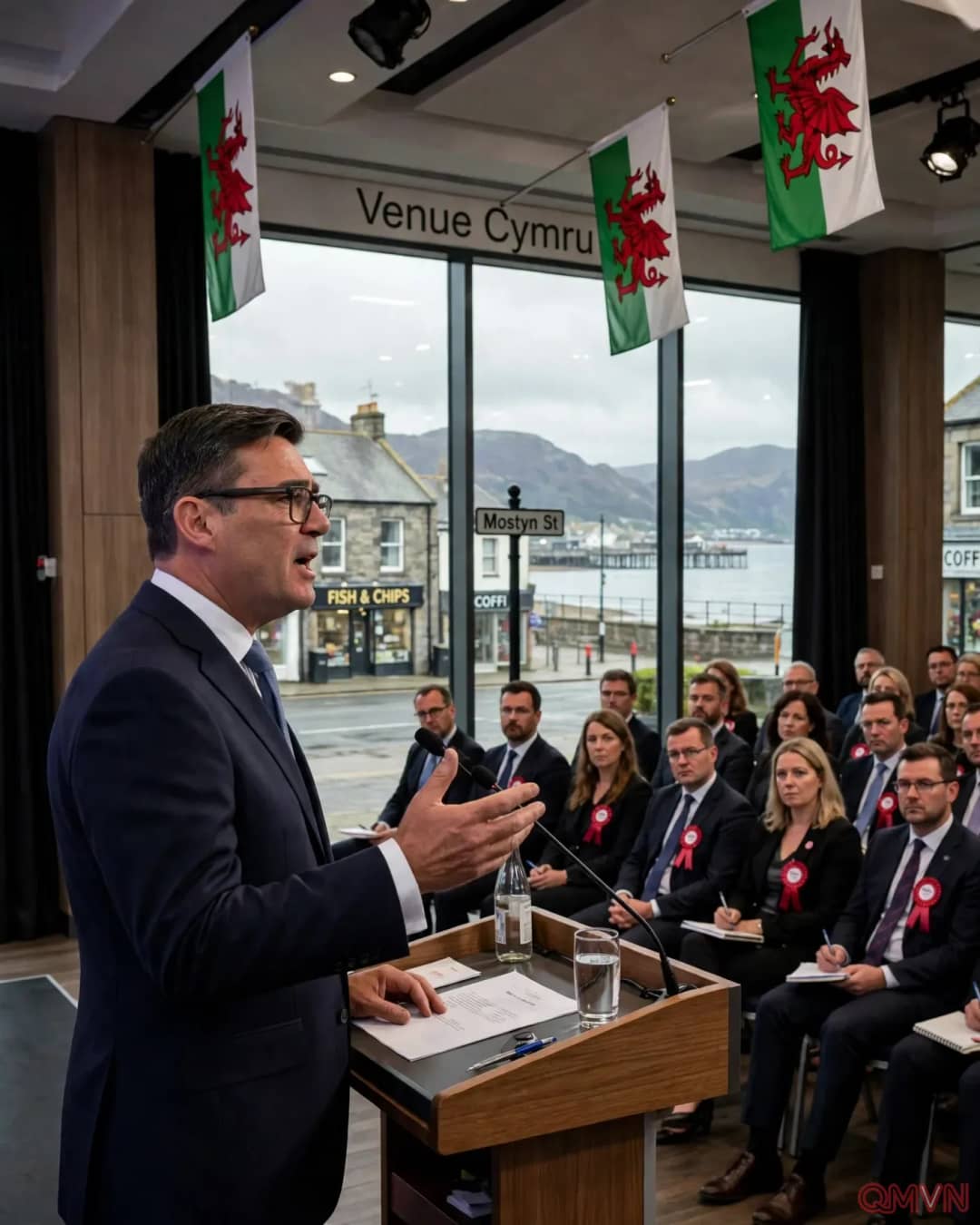
In advance extracts of his conference speech, Burnham acknowledges that politicians have promised to listen before. The difference now, he argues, must be giving people genuine power over the decisions shaping their communities.