MAIN CONTENT
An accountability test beyond the oil market
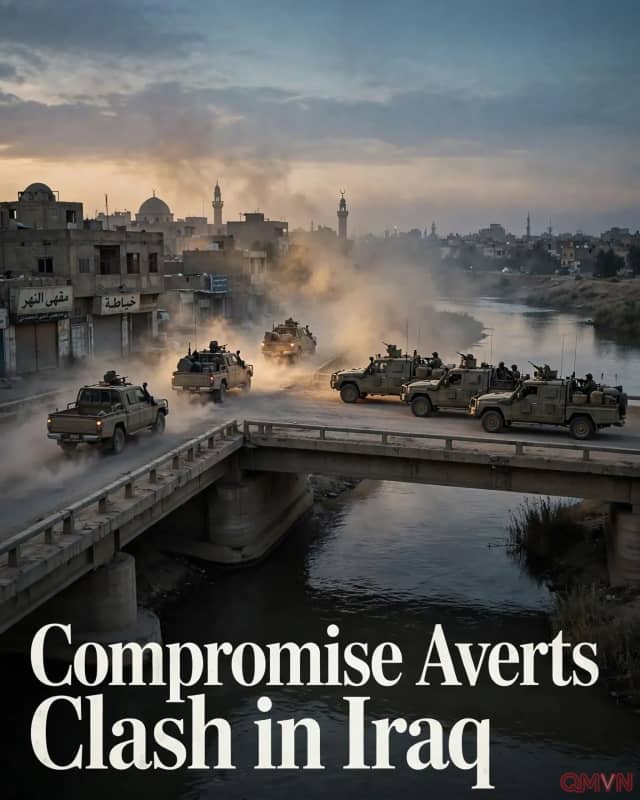
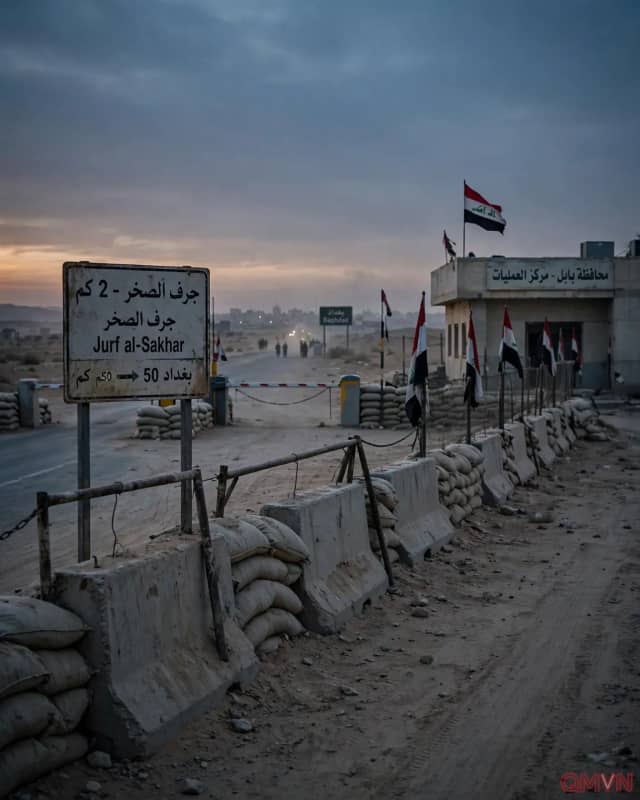
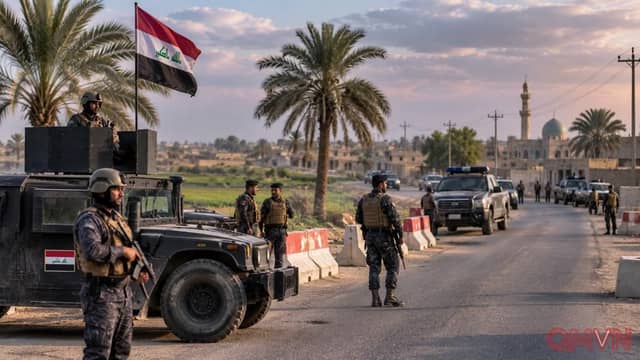
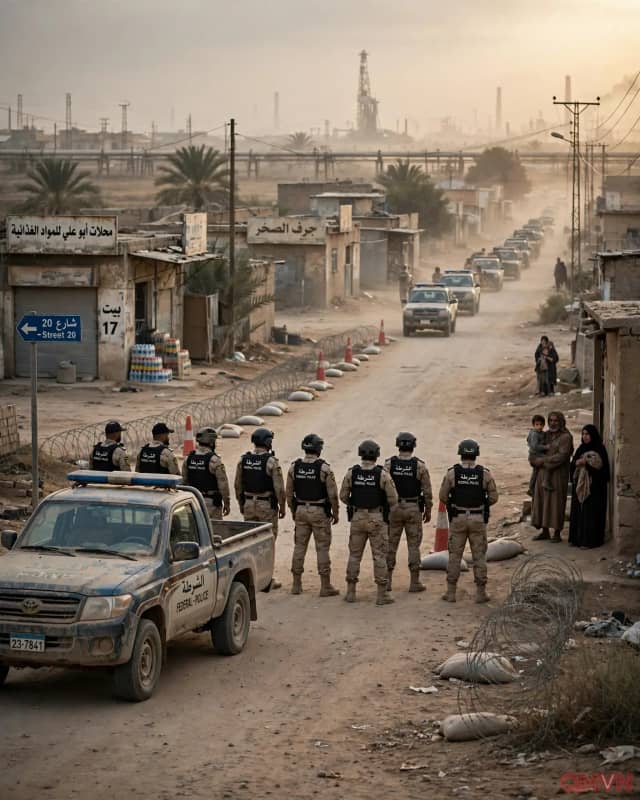
The allegations against Kataib Hezbollah concern more than lost public income. They raise a question about whether the institutions responsible for investigating economic crimes can operate independently when suspects have substantial political or armed influence. Associated Press reporting on November 17 described the faction’s opposition to the authorities’ intervention and Zaidi’s pledge to refer suspects to the judiciary. Reuters subsequently reported a negotiated compromise permitting federal forces to enter the area. That agreement should not be mistaken for a completed prosecution or an admission of guilt. The evidence must be assessed through lawful procedures, with the rights of defendants respected. For ordinary Iraqis, the meaningful measure of accountability is whether recovered resources and reliable public administration improve everyday services.
Kurdistan and the distribution of authority
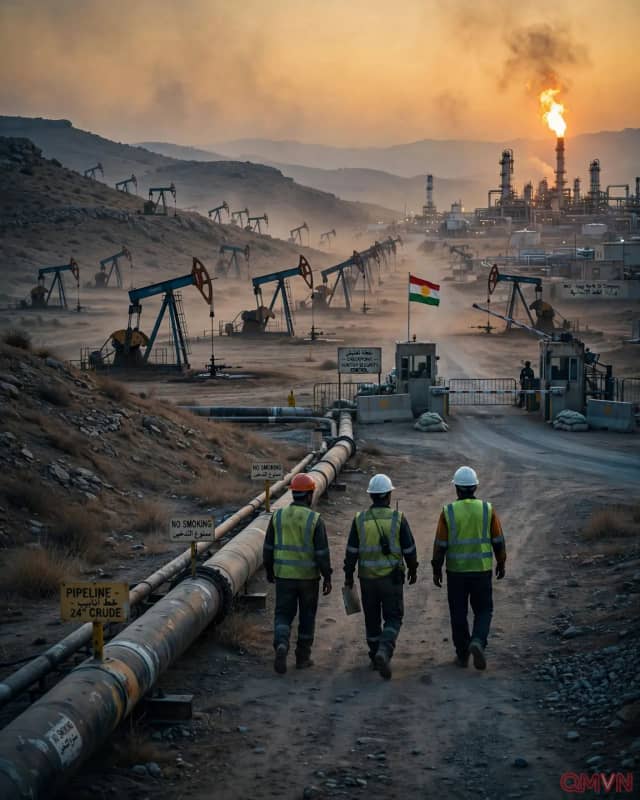
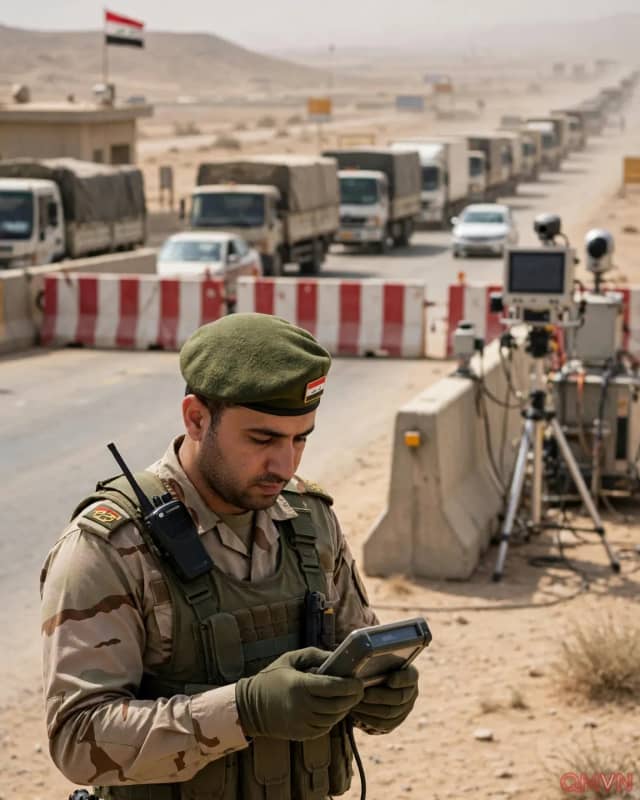
The northern dispute has a different institutional character. The Kurdistan Regional Government is not simply an armed faction: it is an autonomous regional administration within Iraq’s federal constitutional system. Its dispute with Baghdad encompasses the management of petroleum resources, export revenues and border administration. Reuters reported on November 24 that Zaidi’s directions included federal control of petroleum exports and border crossings.