MAIN CONTENT
A new market for regional factories
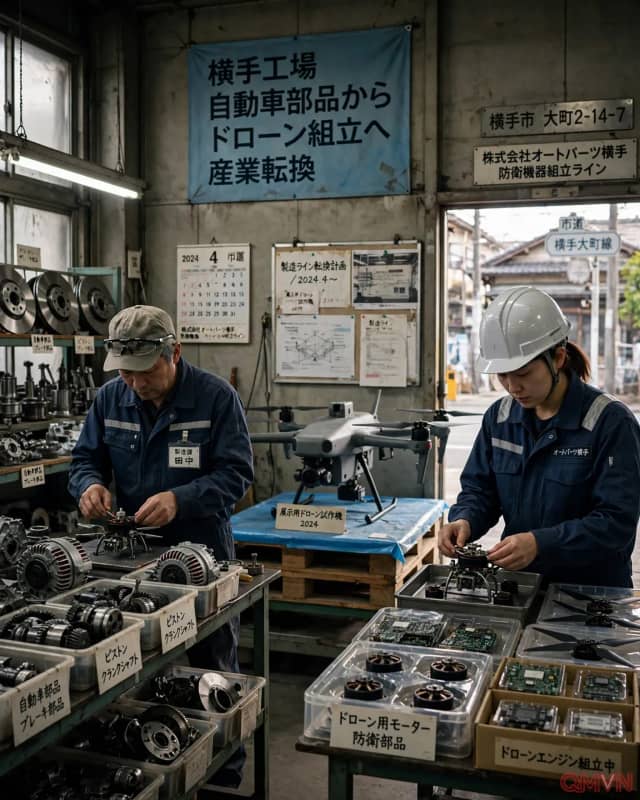
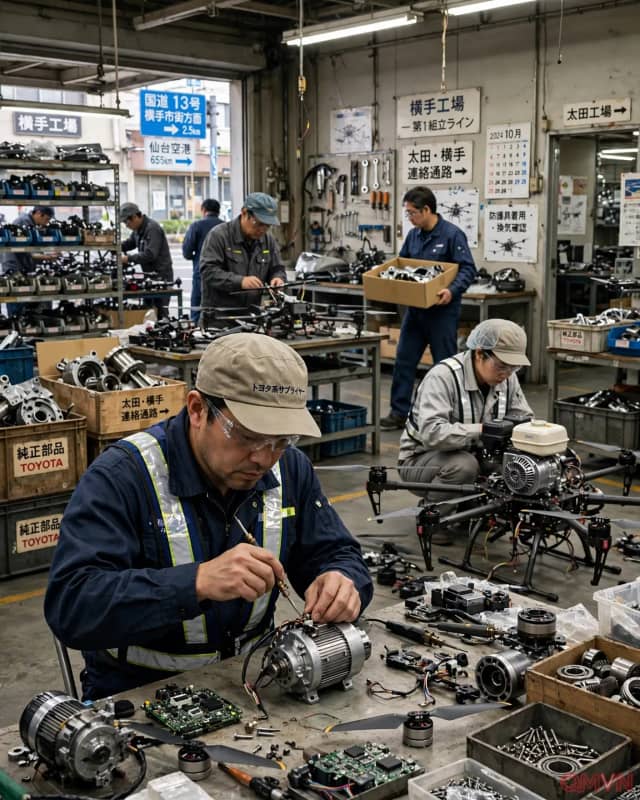
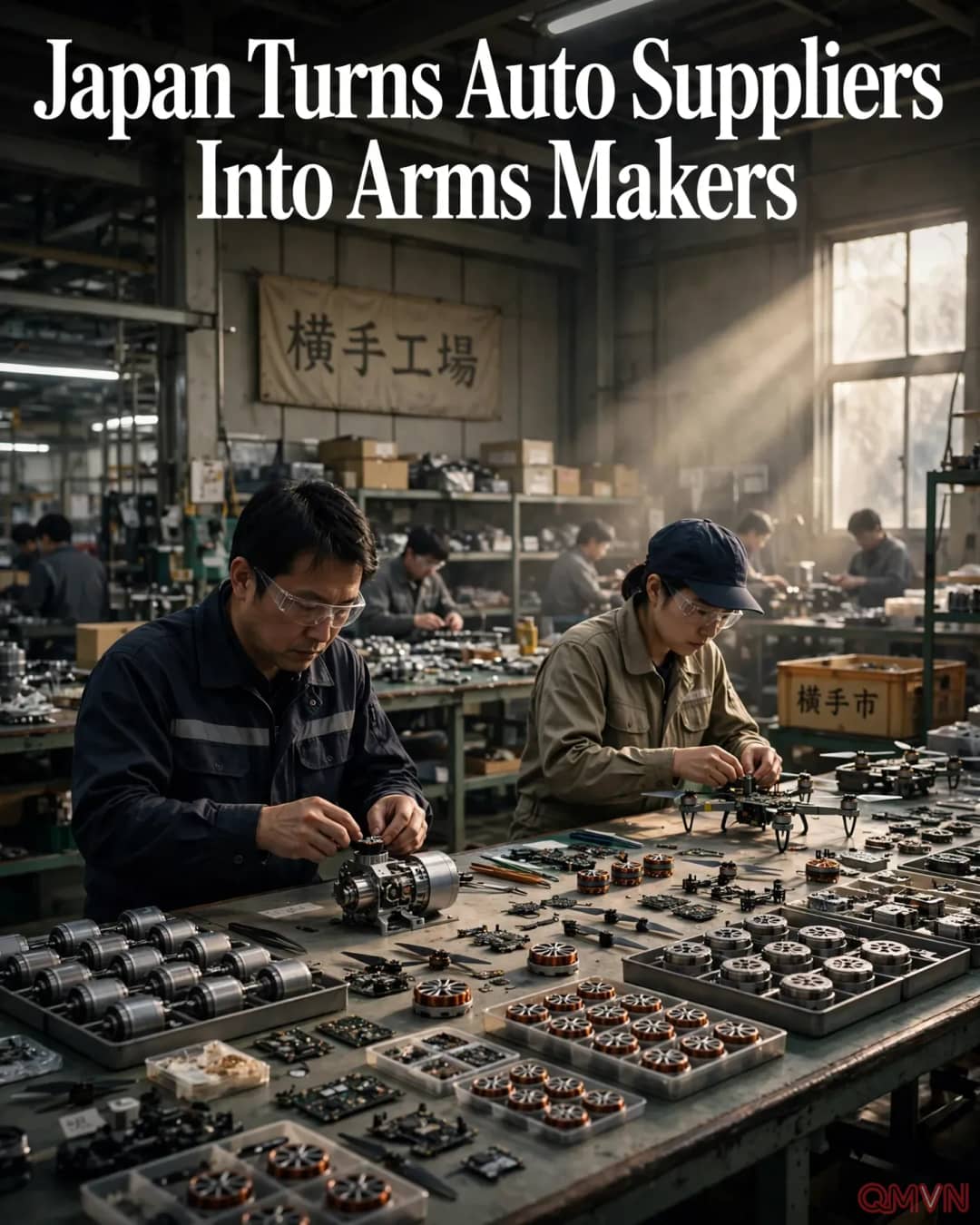
The economic significance of the shift lies partly in the communities that depend on manufacturing. A supplier may have spent decades serving a narrow group of customers, building its workforce and investing in equipment around their purchasing decisions. When those customers face stronger competition or reduce production, the consequences travel through the local economy. Diversification can offer a way to preserve employment and make revenue less dependent on a single market.
Reuters identifies Aster as one example of this change. Its experience suggests that some smaller companies view defense-related business as a commercial opportunity rather than an abandonment of their original industry. But one company's experience cannot establish that the sector as a whole will enjoy higher profits. Contracts, financing requirements and compliance costs differ, and the durability of demand will depend partly on government budgets.
Public policy meets private investment
Japan's government is encouraging a wider range of businesses to consider defense-related work. The Acquisition, Technology & Logistics Agency told Reuters that it assists prospective entrants and coordinates with other departments.
Such involvement reflects the growing importance of industrial policy in national security decisions. Procurement is no longer merely a question of what the government purchases; it also concerns the long-term health of the companies on which it depends.
The policy also poses a question of accountability. Public support for private businesses should be evaluated against measurable outcomes, fiscal constraints and competing social priorities. A company that enters a new field must assess not just potential sales but the obligations associated with public contracts. For taxpayers, transparent procurement and scrutiny of expenditure are important safeguards against costly commitments that may prove difficult to reverse.
Why major automakers remain cautious
The response of Japan's leading carmakers demonstrates that diversification is not universally attractive. Toyota has stated that it does not currently intend to pursue defense-related business, Honda has indicated it has no specific entry plans, and Nissan declined to comment, according to Reuters. Their exposure to international consumer markets and the reputational consequences of new business activities distinguish them from many smaller suppliers.
A separate Reuters report on November 19 described efforts by Japan's automotive industry associations to harmonize requirements for important materials and components. That civilian initiative highlights another possible response to competitive pressures: greater cooperation within the existing automotive ecosystem. For companies, defense contracts represent only one of several potential paths, alongside civilian innovation, efficiency improvements and new commercial markets.
The limits of a defense-led recovery
Demand from governments can provide businesses with another source of revenue, but it cannot automatically replace the scale of mass-market vehicle sales. Reuters reported on September 28 that Western automakers exploring defense opportunities also faced limits on how far such business could offset weakness in their civilian operations. The same distinction matters in Japan, where the automotive sector supports a wide network of jobs and businesses.
The debate ultimately concerns the balance between security and prosperity. Supporters emphasize the need to respond to regional risks and protect industrial employment. Others may question the opportunity cost of higher military spending, or worry about the changing identity of businesses historically associated with civilian products. These perspectives are not mutually exclusive: an economy can recognize security concerns while insisting on public accountability and preserving investment in civilian industries.