MAIN CONTENT
A rare agreement meets a political crossroads
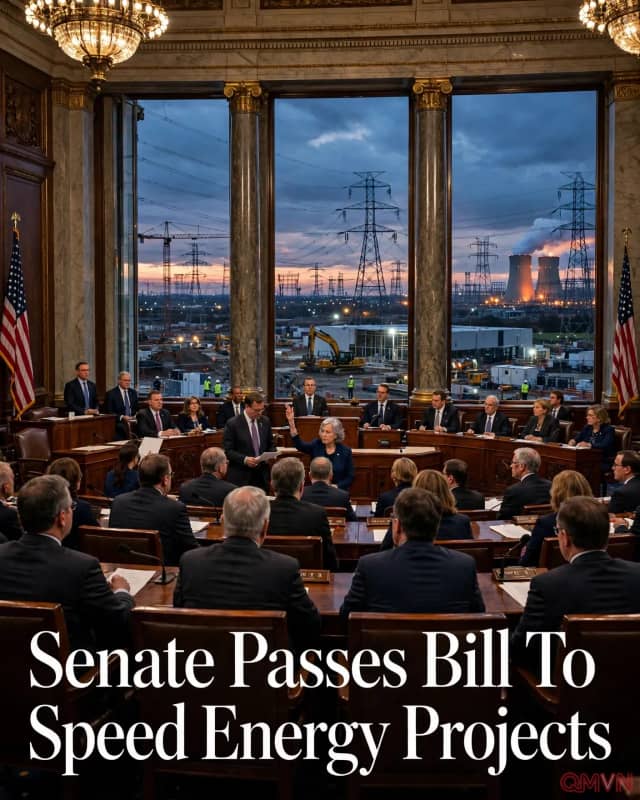
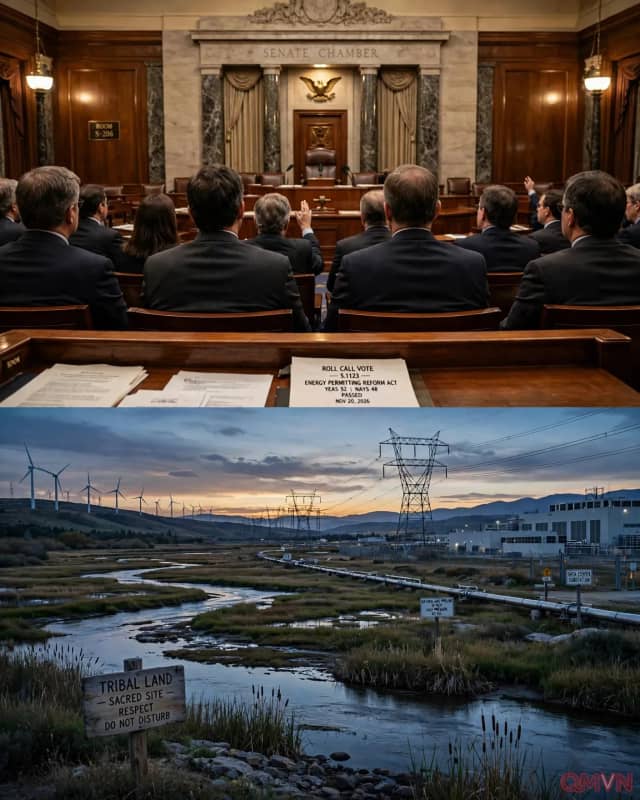
The Senate's 73–25 procedural vote signalled substantial interest in rewriting federal permitting rules. Such a vote, however, opens debate; it does not mean the bill has passed the Senate or become law. Negotiators still face amendments, a final Senate decision and action in the House. The distinction matters because the broad coalition supporting debate may not agree on the details of a final statute.
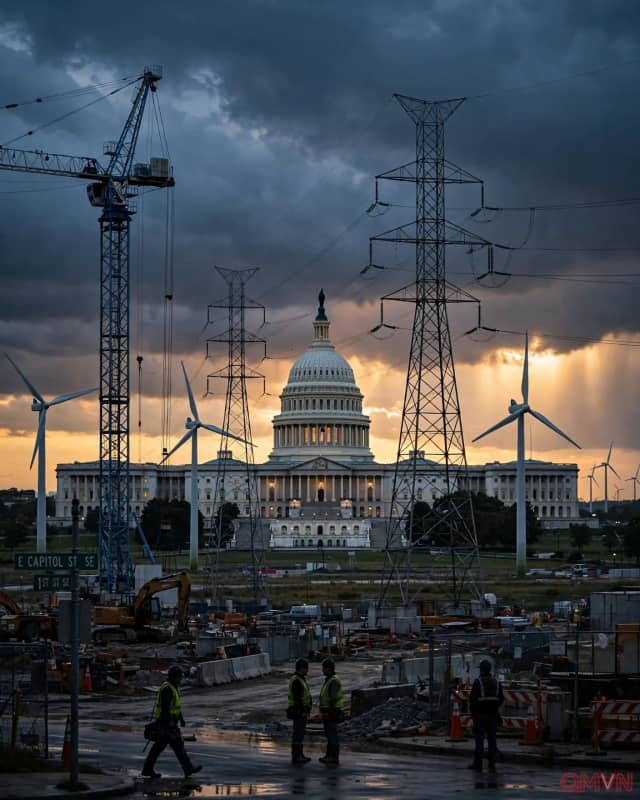
The measure spans technologies and sectors that do not always share political constituencies. It seeks faster review for transmission lines essential to move electricity across state borders, as well as for power generation, mining and other major projects. Backers argue that slow approvals raise construction costs and complicate efforts to add generating capacity as demand grows. Critics ask whether faster decisions could also mean fewer opportunities to challenge harmful projects.
Democrats are weighing that trade-off in an unusual political interval: their midterm gains promise greater legislative leverage next year, while a cross-party bargain is available now. Trump has publicly backed the proposal. That support could make enactment possible before the new Congress convenes, but it also forces lawmakers to decide whether a timely compromise is preferable to a potentially more protective future bill.