Canadian oil changes course
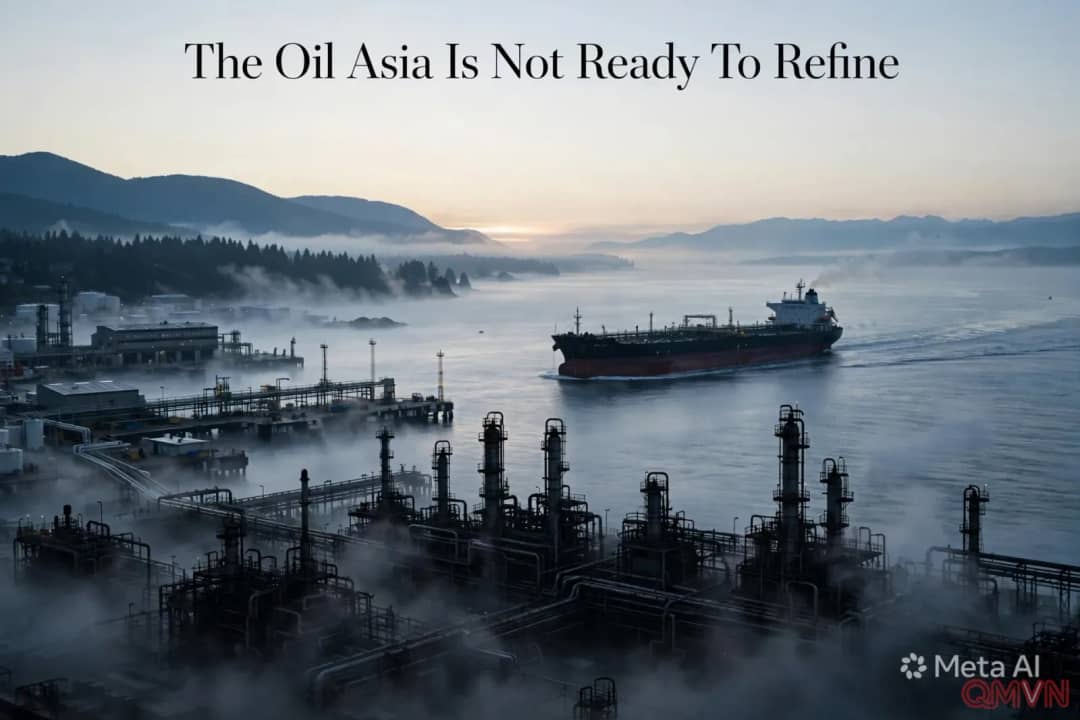
Before 2024, Canadian crude flowed almost entirely in one direction: to the neighbouring United States. The completed expansion of the state-owned Trans Mountain pipeline opened an outlet to the Pacific, allowing Ottawa to diversify its markets just as trade relations with Washington became more volatile.
According to Barrett Bingley, Asia regional director at the Asia Pacific Foundation of Canada, Canada’s non-US crude exports surged to C$10 billion (about US$7.2 billion) in 2025, averaging roughly 430,000 barrels a day, up from “effectively zero”.
Asia buys, South-east Asia sits out
Trans Mountain data reveal an uneven distribution between May 2024 and July 2026:
- Around two-thirds of the estimated 640 tankers loaded at the Westridge Marine Terminal in Vancouver arrived in Asia.
- China was the largest destination, with 374 vessels.
- In South-east Asia, only six cargoes went to Singapore and an estimated two arrived in Brunei.
With the Middle East conflict making traditional supplies uncertain, these modest numbers reveal a paradox: the oil is at the door, but many refineries in the region cannot use it.