MAIN ARTICLE
A night of violence in Bol Bol Boma
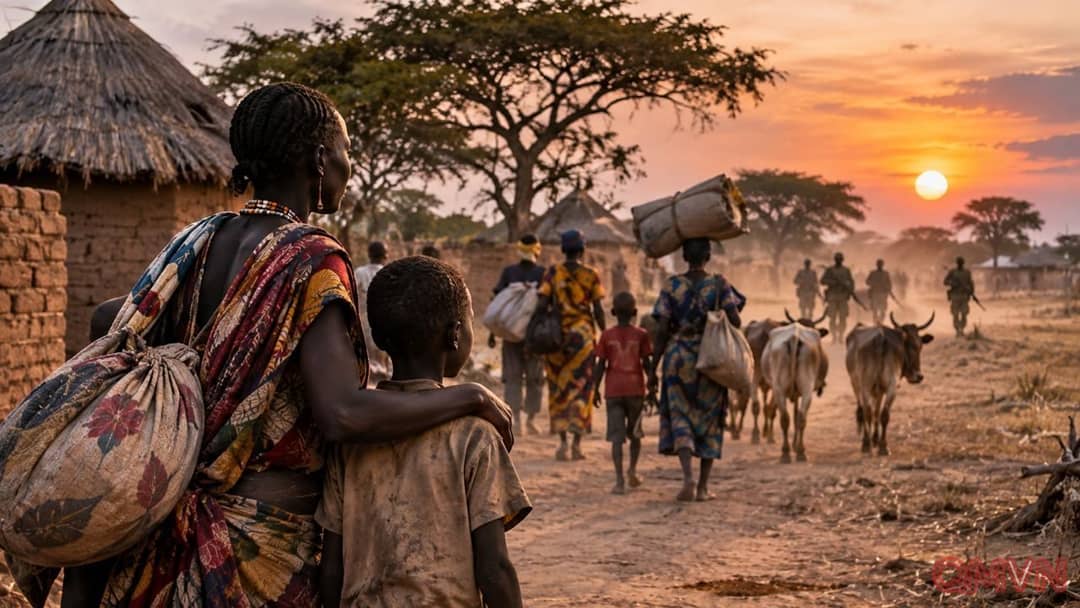
According to details Machuei Bith gave AFP, armed attackers struck Bol Bol Boma between the night of November 21 and the morning of November 22. The 24 people reported killed included cattle herders. The rise in the death toll during the day highlights the difficulty of reaching the site and accounting for casualties. Local authorities expected to dispatch a team to investigate and assess the damage.
Bith also said that four armed assailants wearing SPLA-IO uniforms were killed. A local police officer corroborated aspects of the account to AFP on condition of anonymity. Uniforms alone, however, cannot conclusively establish the identity or chain of command of those involved. No independently verified determination of responsibility had been made public in the reporting available.
Local officials alleged the attackers arrived from Unity State. The boundary between Unity and Warrap is more than an administrative line. Disputes over grazing land, water, livestock and community security can quickly become armed confrontations. Each retaliatory attack makes the next attempt at negotiation more difficult and increases the risks faced by people who are not combatants.
A widening trail of casualties
Only a week earlier, two groups from different parts of Warrap reportedly clashed at a market in Makuach. Local authorities cited by AFP said 17 people died and 23 were injured.
Places intended for commerce and ordinary social life can thus become scenes of deadly confrontation, disrupting access to food, work and the fragile routines on which households depend.
In late October, another outbreak of violence in Tonj North reportedly killed 72 people, wounded 38 and displaced thousands of families. The United Nations Mission in South Sudan, UNMISS, described those consequences on November 4 and deployed patrols following the attacks. Peacekeepers can deter further violence and help reassure residents, but their presence cannot substitute for durable local security arrangements.
These incidents share a dangerous pattern: a grievance can escalate into a confrontation among armed groups. Cattle are essential assets for many households, while cattle raiding and the widespread availability of firearms turn economic losses into violent reprisals. Older people, women and children are especially exposed when fighting erupts suddenly and routes to safety become uncertain.
Local grievances and a national political crisis
South Sudan gained independence in 2011 but descended into civil war in 2013 between forces loyal to President Salva Kiir and those aligned with Riek Machar. The 2018 peace agreement largely ended the full-scale civil war, yet it did not eliminate rival power structures or locally mobilized armed networks. The conflict is estimated to have claimed roughly 400,000 lives.
Machar has been under detention or house arrest since March 2025. Security Council Report said he remained suspended and faced criminal allegations that he denies. Political tensions among the signatories to the peace arrangement make it harder to separate local incidents from the broader national crisis. Still, claims about the allegiance of attackers must be distinguished from independently established findings.
United Nations reporting in November 2026 described continuing cattle-related violence, territorial disputes and the mobilization of armed youth in the Greater Tonj area. It is a reminder that agreements reached in the capital, Juba, do not automatically protect distant villages. The legacy of earlier attacks remains powerful where communities carry memories of loss and fear retaliation.
Civilian protection beyond promises of peace
The immediate priorities are access to the attack site, credible verification of casualties, treatment for the wounded and safe passage for displaced families. Responsibility should be established through evidence rather than collective blame based on ethnicity or place of origin. Unsupported allegations can spread quickly and become another trigger for revenge.
UNMISS urged restraint and increased patrols in Warrap after the late-October bloodshed. Lasting progress also requires local mediation, safeguards along grazing routes, more effective control of weapons and accountability for attacks on civilians. Community elders, women’s groups and faith organizations have important roles to play in rebuilding trust where formal institutions struggle to reach.
Casualty figures convey the scale of violence but cannot capture the grief of parents, children missing school or herders afraid to return to their fields. The attack at Bol Bol Boma raises an essential question: should peace be measured by the documents leaders sign, or by whether a family can sleep through the night without fearing the sound of gunfire?