MAIN CONTENT
A climate summit becomes a stage for digital ambition
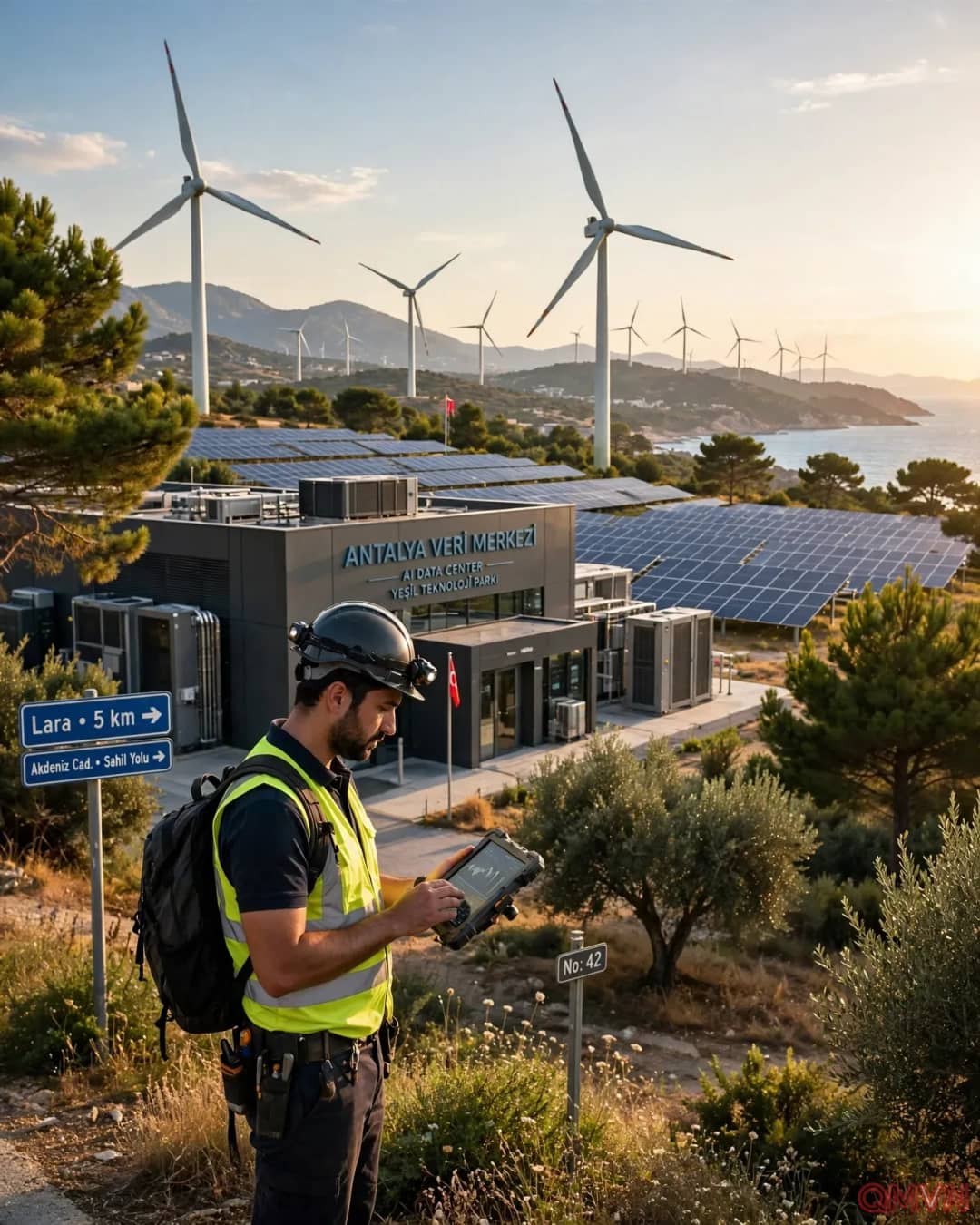
Speaking alongside COP31 on November 17, Kacır argued that rapid AI adoption is creating a corresponding need for electricity to run data centres and high-performance computing systems. Governments pursuing leadership in advanced technology, he suggested, must also plan for the energy systems on which that technology depends. Anadolu and Hürriyet Daily News reported his ambition to make Türkiye one of the countries most committed to environmentally responsible AI.
The minister said renewables account for 62% of Türkiye’s installed electricity-generation capacity. This figure should not be mistaken for the renewable share of electricity actually produced: wind and solar generation fluctuate, while a dependable grid also needs dispatchable resources. The International Energy Agency’s 2026 country review estimates that renewable sources generated about 43% of Türkiye’s electricity in 2025. The distinction is essential when evaluating ambitious green claims.
The path from 43 to 175 gigawatts
The proposed 175-gigawatt target for wind and solar in 2040 is roughly four times the 43-gigawatt base identified by Kacır. A parallel ambition of 140 gigawatt-hours of storage could help move power from sunny or windy periods to hours when demand is greatest.