MAIN CONTENT
A small coalition with an outsized voice
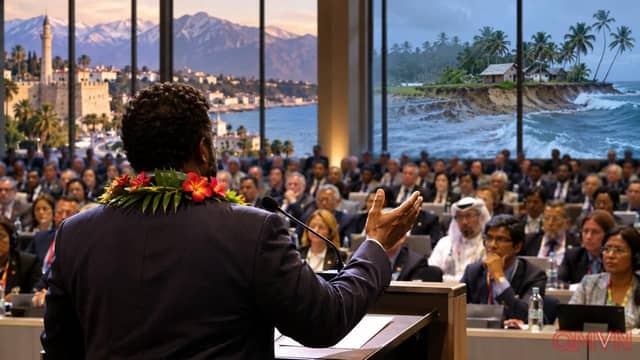
Small island delegations cannot rival the largest economies in market size or diplomatic resources. Their influence comes instead from acting together. The Alliance of Small Island States, or AOSIS, represents 39 members according to the Associated Press and links Pacific, Caribbean and other island states through a shared vulnerability. Their geography differs, but many confront increasingly expensive disasters caused largely by emissions generated elsewhere.
Palau's United Nations ambassador Ilana Seid, who chairs AOSIS, has explained the calculation: alone, each economy has limited leverage; together, island nations can speak forcefully. That cooperation helps place fishing families, fresh-water supplies, schools and coastal infrastructure at the heart of discussions too often reduced to aggregate emissions charts.
Tongan Prime Minister Fatafehi Fakafānua told the AP that more studies and negotiations are not what islands need now; they need action. Behind that appeal is a familiar gap between conference declarations and the time required to strengthen shorelines, rebuild after storms and establish reliable alerts that give families a chance to move to safety.
Why 1.5 degrees carries the weight of survival
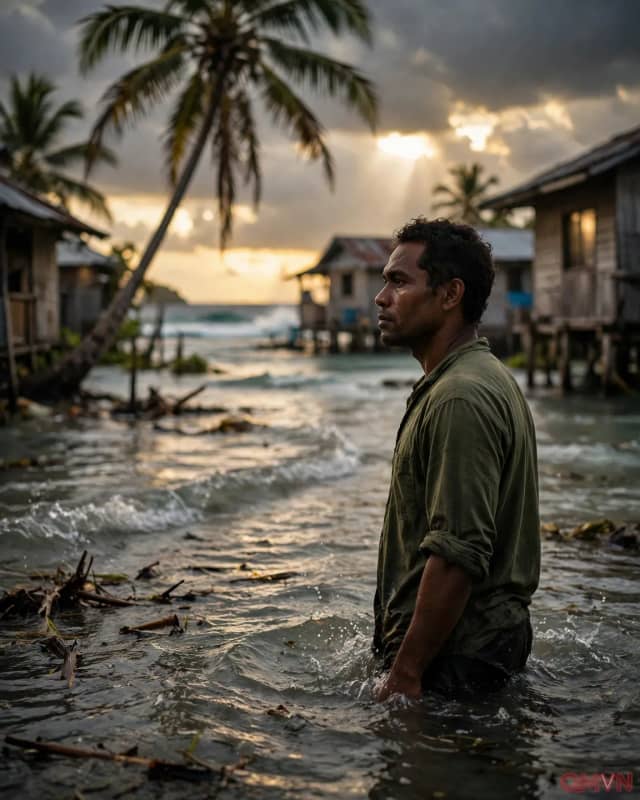
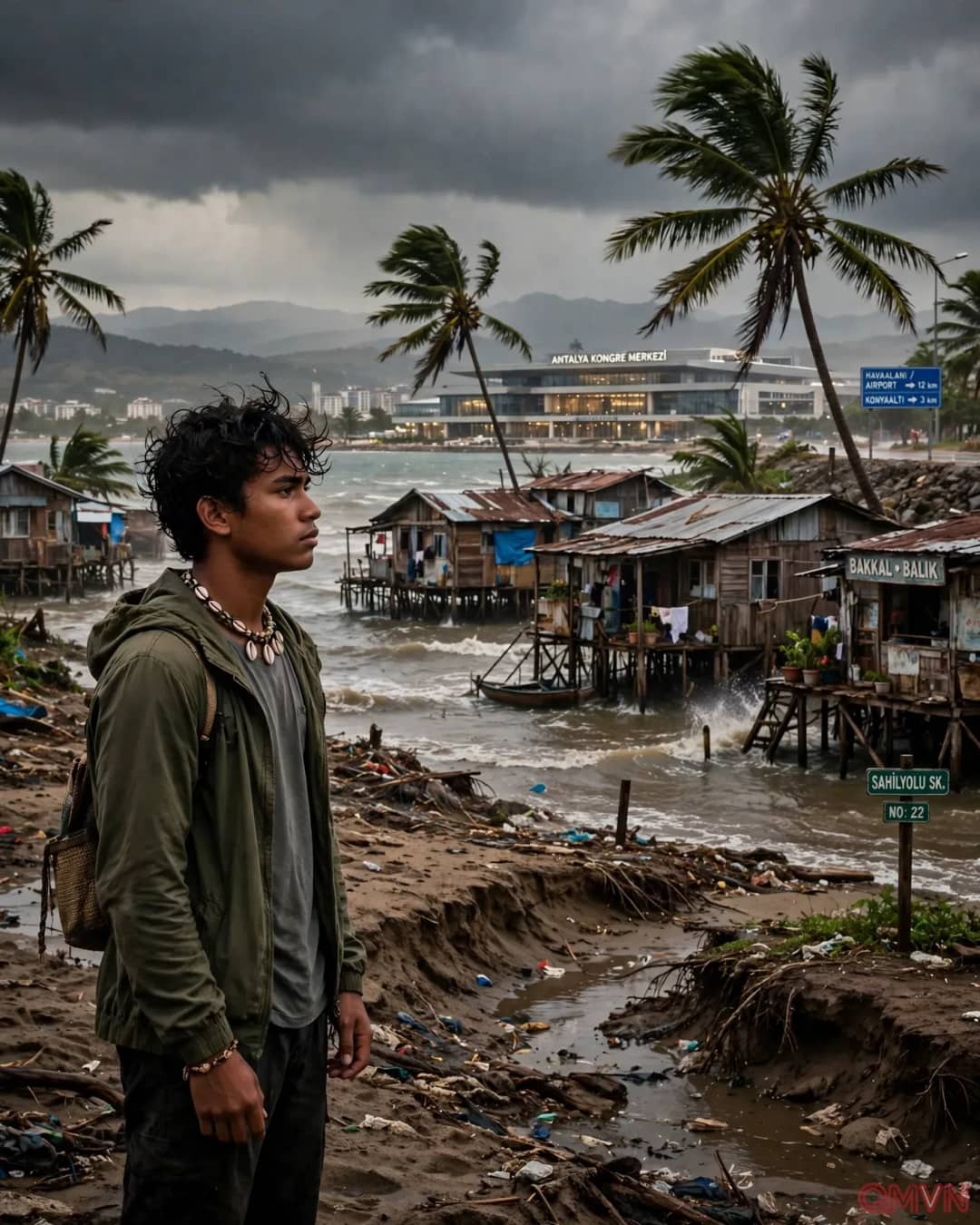
Sea-level rise is more than a changing shoreline. Salt water can contaminate drinking supplies and farmland, storm surges can overwhelm roads and ports, and hotter seas threaten coral reefs and fisheries.
Where a country has a limited land area but a vast maritime zone, these pressures collide, producing economic and cultural losses that local budgets often cannot absorb.
AOSIS is still defending the Paris Agreement ambition of limiting global warming to 1.5 degrees Celsius above preindustrial levels. Climate specialist Adelle Thomas, originally from the Bahamas, describes that threshold as one of survival rather than merely temperature. Even if a temporary overshoot becomes difficult to avoid, every fraction of a degree still influences the scale of harm.
Younger delegates are making the issue personal. Atiterentaai Rinimarawa, a 24-year-old representative from Kiribati, told the AP that her generation's future is at stake. She called for climate justice and stronger commitments rather than sympathy. The generational question is unavoidable: decisions about energy and finance made thousands of kilometres away will shape whether people can continue living in their communities.
Financing that reaches shore before the storm
Island governments have put two specific amounts on the COP31 table: $500 million for resilience programmes and $200 million for natural-disaster early warnings. These remain negotiating demands, not approved grants. Their practical value depends on disbursement speed, eligibility requirements and whether equipment and infrastructure can be maintained after initial project funding ends.
For remote communities, rainwater storage, evacuation routes, monitoring stations and mangrove restoration can save lives without delivering an obvious commercial return. Island negotiators therefore seek accessible, preferably grant-based or highly concessional support rather than loans that deepen debt. The Taku Pakasoa Declaration, adopted before COP31 by Pacific leaders, makes easier access to climate finance a central priority.
Fairness is the larger dispute. Islands have contributed little to accumulated emissions yet face disproportionate damage, while donor governments confront competing demands over security and household costs. Reuters has reported that assistance is arriving too slowly and that negotiating positions remain divided over a transition away from fossil fuels. Announcing a funding mechanism is not enough if communities cannot use it when danger arrives.
Measure progress in lives protected, not applause
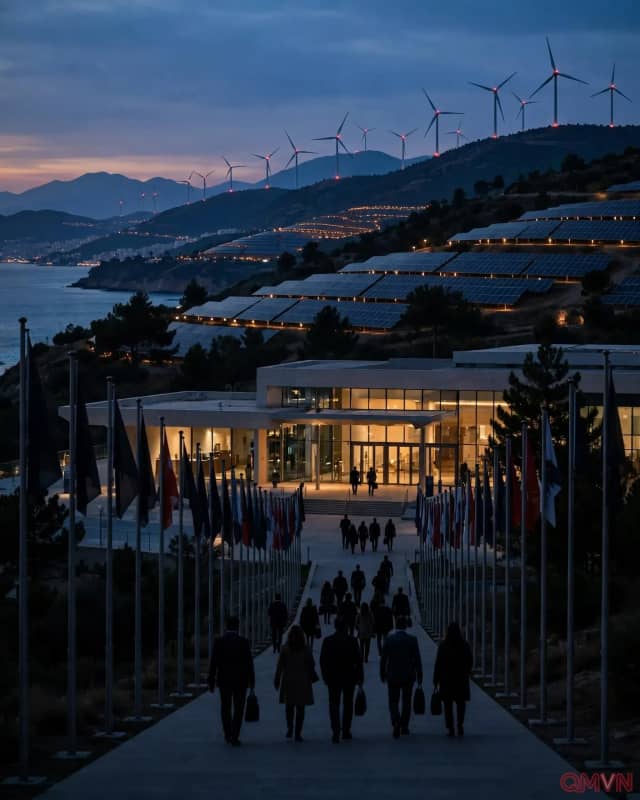
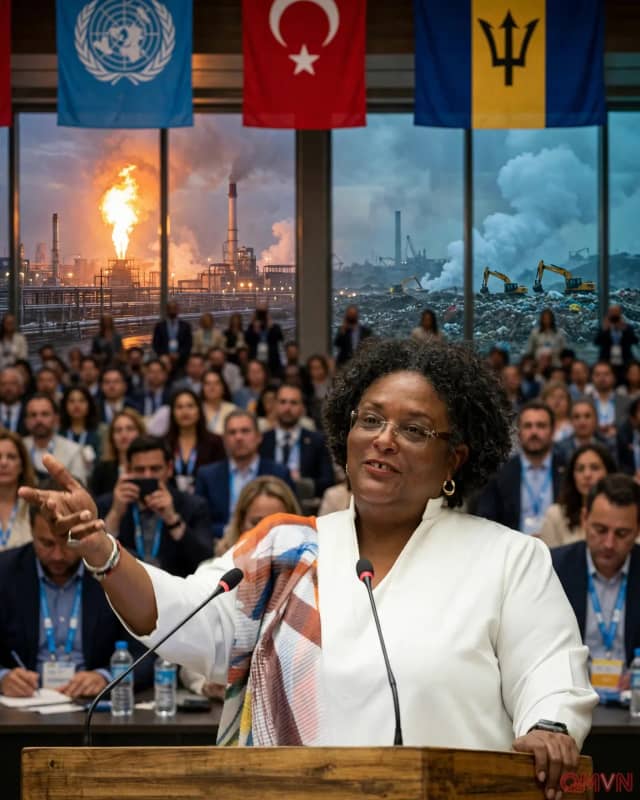
Turkey is hosting COP31, Australia is leading its negotiations, and preparatory gatherings in Fiji and Tuvalu helped elevate Pacific priorities. That arrangement has given island representatives greater visibility. Visibility, however, matters only when paired with measurable emissions cuts, traceable finance and adaptation projects that people can actually use.
Fossil-fuel language remains contentious among producer states, large consumers and vulnerable nations. Many climate decisions depend on political consensus, and national promises ultimately require domestic legislation, investment and implementation. A final declaration can sound ambitious while leaving unresolved who contributes how much, when funds arrive and how governments demonstrate progress.
A meaningful outcome would allow residents to see which promises have been financed, which warnings function and how many people are safer. For families in Tonga or Kiribati, success is not a standing ovation at the end of a summit. It is a working alert during the next cyclone, a protected source of drinking water and the possibility that children can grow up where their parents did.