MAIN CONTENT
From unilateral strikes to maritime partnership
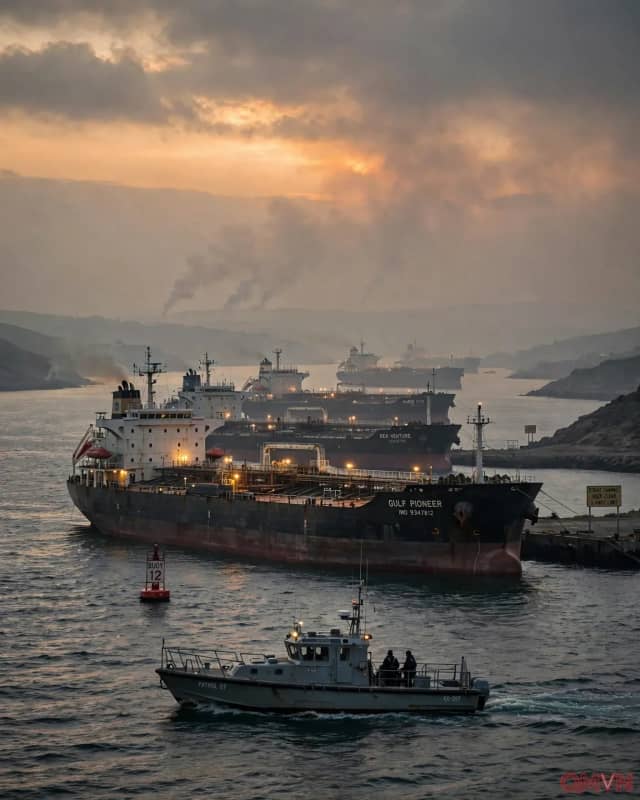
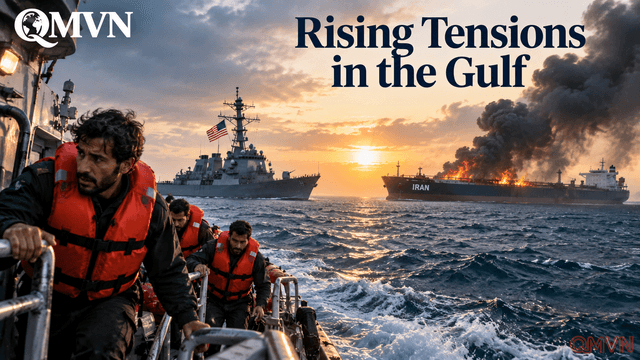
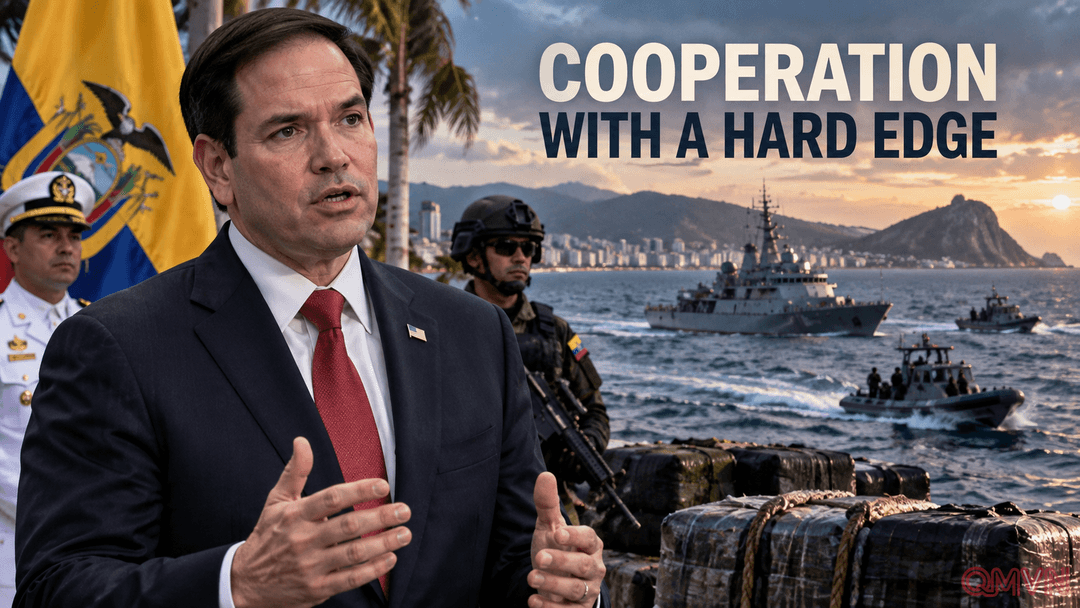
During his September 9 visit to Quito, Marco Rubio said the administration of President Donald Trump is concentrating on agreements that allow the United States to work with allied countries in maritime counternarcotics operations. A significant element is Washington’s statement that operations in partners’ territorial waters will conform to those countries’ laws. That approach differs from the opening stage of the campaign, when the U.S. military carried out repeated lethal strikes against vessels Washington alleged were connected to drug traffickers.
Rubio nevertheless preserved a hard boundary: the United States could still destroy vessels when officials judge it necessary. He said decisions would depend on the individual operation, the boat’s location and the perceived threat. Recent interdictions point to a more restrained procedure. People aboard some vessels or floating refueling platforms suspected of supporting trafficking have been removed and transferred to Ecuadorian authorities before the craft were destroyed. That may reduce immediate risk to life, although the broader legal debate surrounding the campaign remains unresolved.
Our goal is not to go after fishermen. Our goal is to go after drug traffickers.