MAIN ARTICLE
When a personal passion becomes a generation’s shared language
The figures of 79% and 68% do not mean that those shares of all young people worldwide watch anime. They describe existing fans in a ten-country survey who said their viewing had increased over the previous year. That distinction matters. Even interpreted cautiously, the responses suggest that a substantial portion of anime’s established young audience is investing more time in the medium despite intense competition for attention.
Anime’s appeal comes partly from the breadth of stories it can tell through a distinctive visual language. Alongside battles and adventures are school friendships, family obligations, grief, loneliness and questions about technology. Its heroes need not be flawless. Their uncertainty, setbacks and gradual growth can allow viewers from very different societies to recognize something familiar in people whose lives seem far removed from their own.
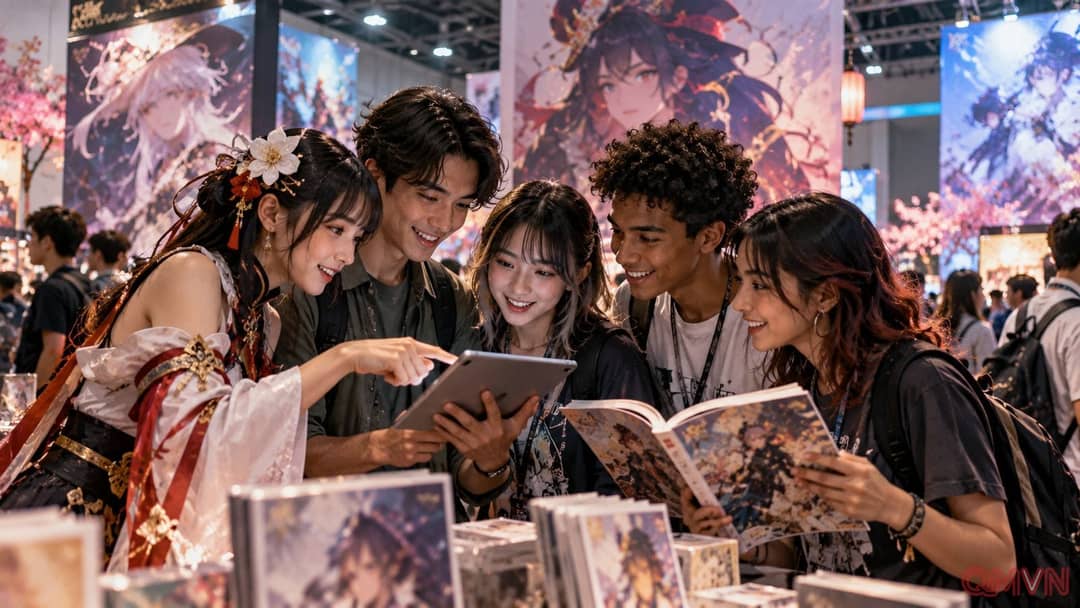
Subtitles, dubbing and online discussion have shortened the distance between audiences and stories created in Japan. Someone may discover a series through a brief clip, read the manga and then join a conversation with strangers living thousands of miles away. What changes is not simply the amount of screen time. Fiction becomes a way for young people to find a sense of belonging without sharing a language, nationality or everyday surroundings.