MAIN ARTICLE
An honour grounded in a lifetime of composition
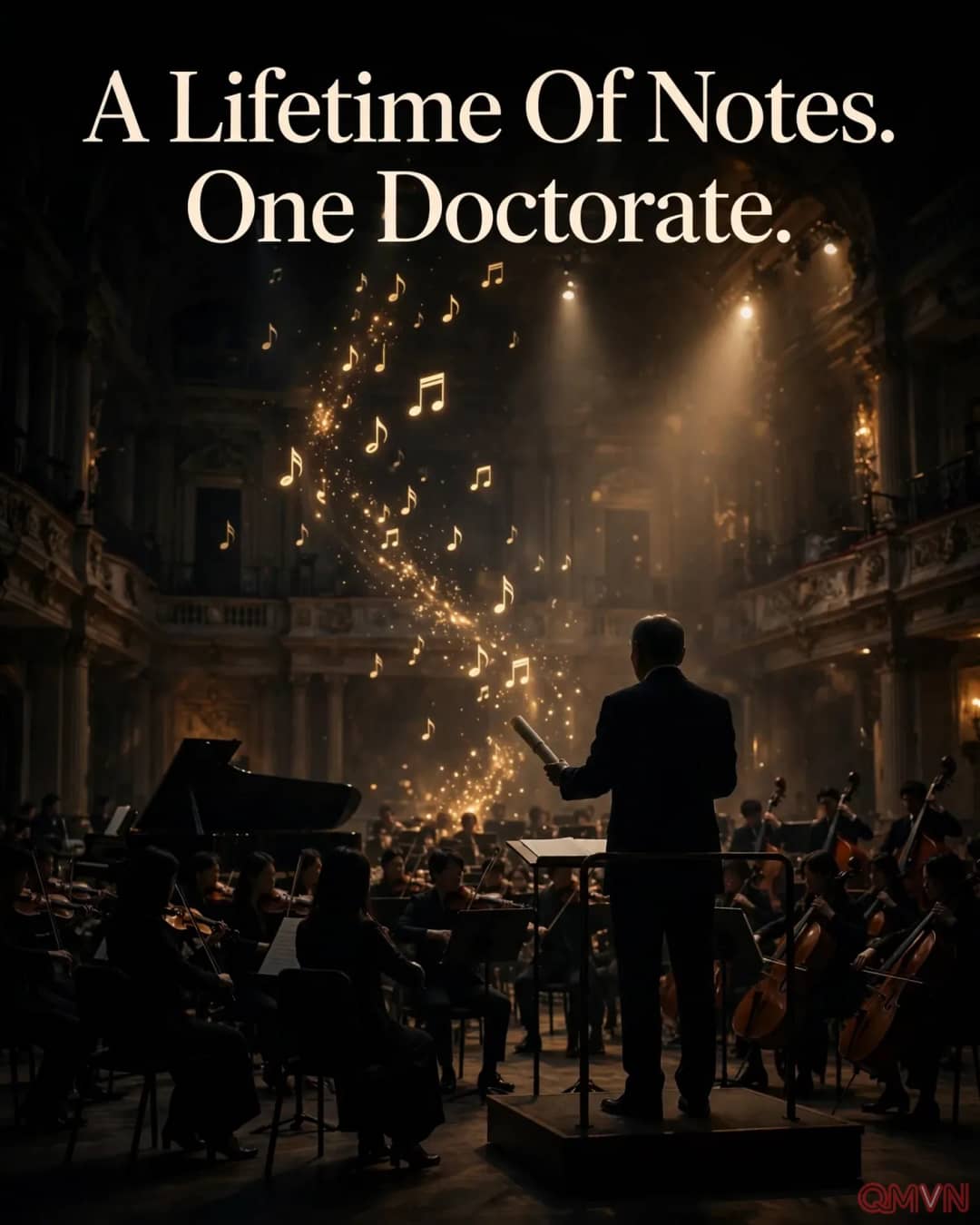
The Royal College of Music confirmed that Director James Williams and Chair of Council Lord Black of Brentwood presented Hisaishi with an Honorary Doctorate of Music during a special event on Friday. The institution described his influence as reaching musicians and listeners around the world. The ceremony also placed education at the centre of the celebration: students heard directly from the composer before performing selections from his catalogue.
Hisaishi, whose professional name is known across generations of filmgoers, thanked the college for its recognition. Williams said the composer’s artistic vision, creativity and commitment to musical excellence continued to inspire others. Those tributes underscore a distinction between fame and achievement: the award honours decades of developing musical ideas, not simply the popularity of a few memorable themes.
From animated films to the symphonic stage
For many listeners, Hisaishi's musical signature is inseparable from Studio Ghibli and Hayao Miyazaki. Scores for Nausicaä of the Valley of the Wind, My Neighbor Totoro, Spirited Away and The Boy and the Heron helped define films that travelled far beyond Japan.
His melodies often sound immediately accessible, yet their emotional power rests on careful orchestration, pacing and the relationship between sound and silence.
His concert-hall career is equally important. According to the Royal College of Music, Hisaishi has written music for more than 100 films and recorded nearly 40 solo albums. He appeared at the BBC Proms in 2025 with the Royal Philharmonic Orchestra, while his Concerto for Orchestra, co-commissioned by eleven international organisations and orchestras, premiered with the National Symphony Orchestra in May 2026. These projects show a composer still seeking new forms rather than merely revisiting his celebrated soundtrack catalogue.
A message to young composers
During his visit, Hisaishi discussed his career and creative process with students studying composition. The exchange transformed the event from a ceremonial presentation into an opportunity for emerging artists to examine how a working composer makes decisions across film, orchestral music and other settings. He encouraged students to remain committed to what they create and discover their own direction through sustained effort.
That advice has practical weight in an era when composers face pressure to produce quickly and imitate successful styles. Persistence does not mean refusing to revise a score; it means developing a recognisable artistic purpose while listening carefully to collaborators and audiences. By performing his pieces, the students also turned the conversation into a shared musical experience rather than a one-way lecture.
Why the recognition matters beyond one musician
The award reflects a wider cultural shift in the way institutions evaluate music associated with film and animation. Soundtracks were once treated by some listeners as separate from the classical canon, yet contemporary programming increasingly crosses those boundaries. Hisaishi's career offers an unusually clear example: audiences may encounter him through a childhood film before later hearing his music played by a major orchestra.
The Royal College of Music's announcement did not suggest that a degree changes the value of the music itself. Rather, it acknowledged an already established body of work and opened a dialogue between international popular culture and formal musical training. For young musicians, that dialogue expands the range of careers and creative forms that can be taken seriously. For listeners, it invites renewed attention to the craft beneath a familiar melody.