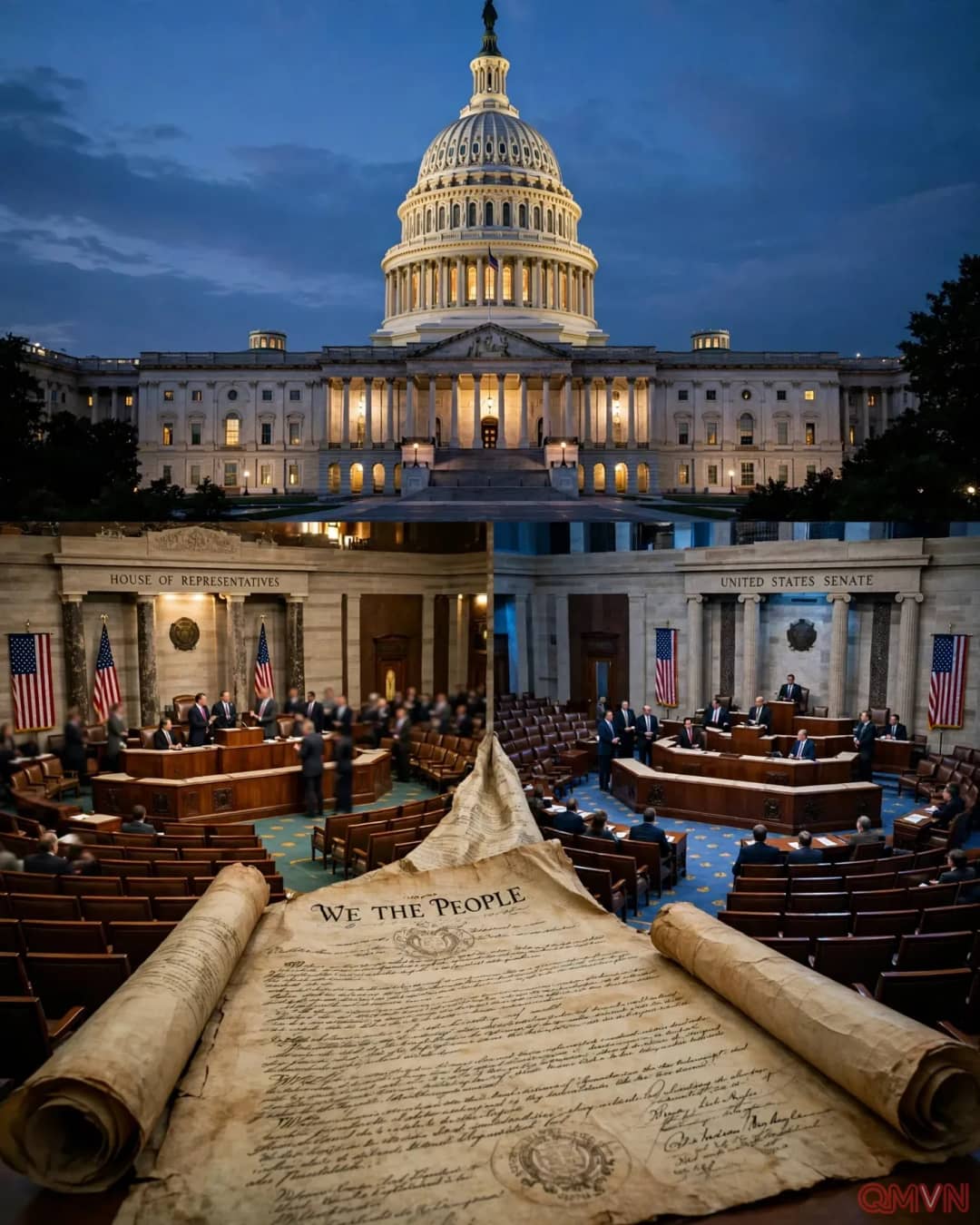
Congress’s strongest tool
The US Constitution grants Congress the power to oust leaders of the administration, including the president. Though the process mirrors court proceedings with hearings and a trial, impeachment is essentially a political process with political consequences. No one goes to jail for being impeached, but alleged wrongdoing can be debated before the whole nation and lead to removal from office and a ban on ever serving again.
Impeachment proceedings serve the dual purpose of exposing and punishing abuse of power.
How the process works
Impeaching a federal official involves the following main steps:
- Congress can start impeachment at any time; the Constitution only broadly defines impeachable offenses as “Treason, Bribery, or other high Crimes and Misdemeanors.”
- In the House, a privileged impeachment resolution can force a vote within days; the House can table it, refer it to committee or pass it by simple majority.
- If an official is impeached, the case moves to the Senate, which can dismiss it without a trial or hold one, also by simple majority.