Ideological retreat and the reappraisal of transatlantic alliances
The sweeping triumph of Democrats in the United States midterm elections has triggered an abrupt diplomatic realignment throughout European political corridors. Several prominent populist leaders who previously framed Donald Trump's return to the presidency as the dawn of a global conservative renaissance are now actively decoupling their movements from his administration.
American intervention regarding Iran carries very heavy consequences for economies around the world.
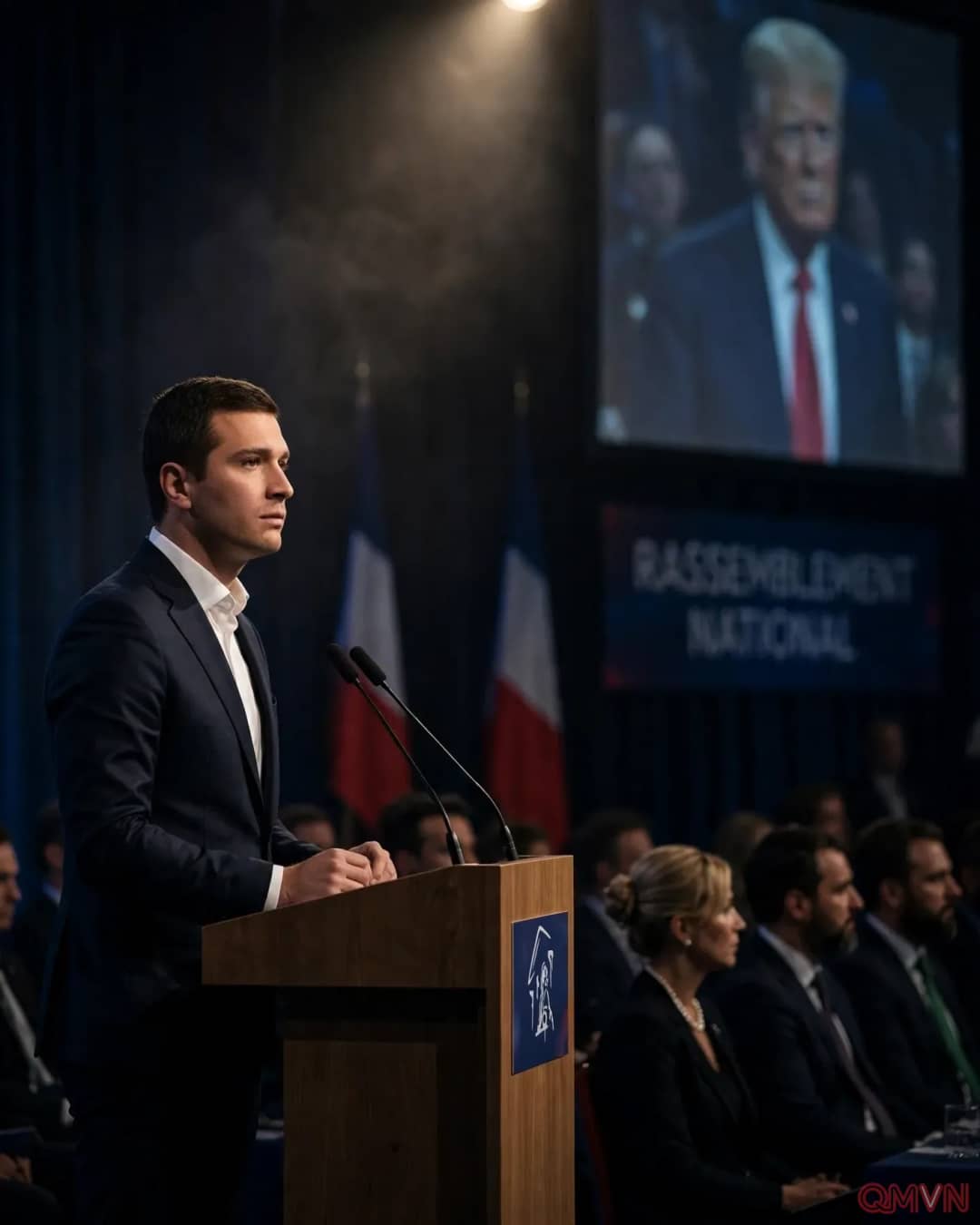
From French National Rally leader Jordan Bardella to Alternative for Germany co-leader Alice Weidel, conservative figures publicly pinpointed Washington's interventionist war in Iran as a direct repudiation of Trump's original non-interventionist campaign pledges, noting that the resulting spike in global energy prices severely penalized working households.
This rapid rhetorical pivot reflects the unforgiving pragmatism of modern statecraft: when a foreign populist banner suffers a catastrophic domestic repudiation, overseas allies swiftly erect political firewalls to insulate their own electoral prospects.