MAIN ARTICLE
A warning before the microphones went live
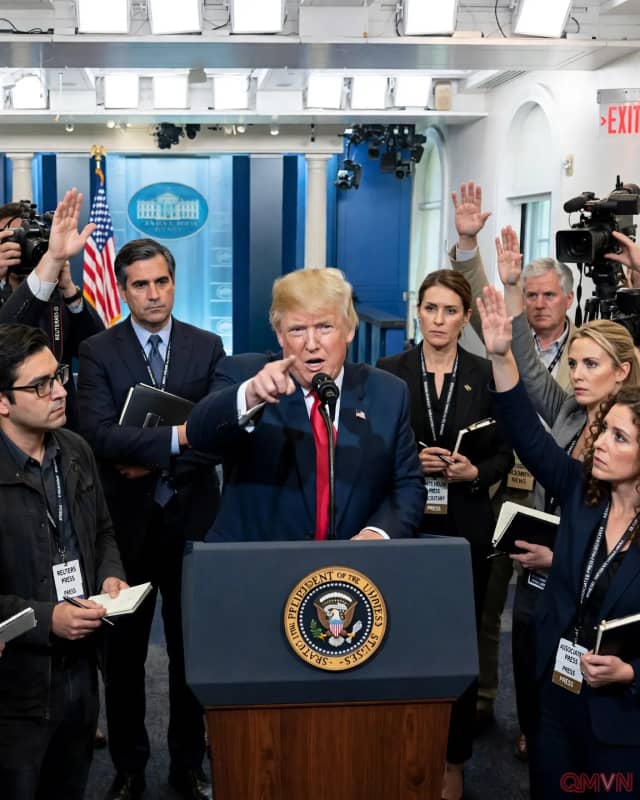
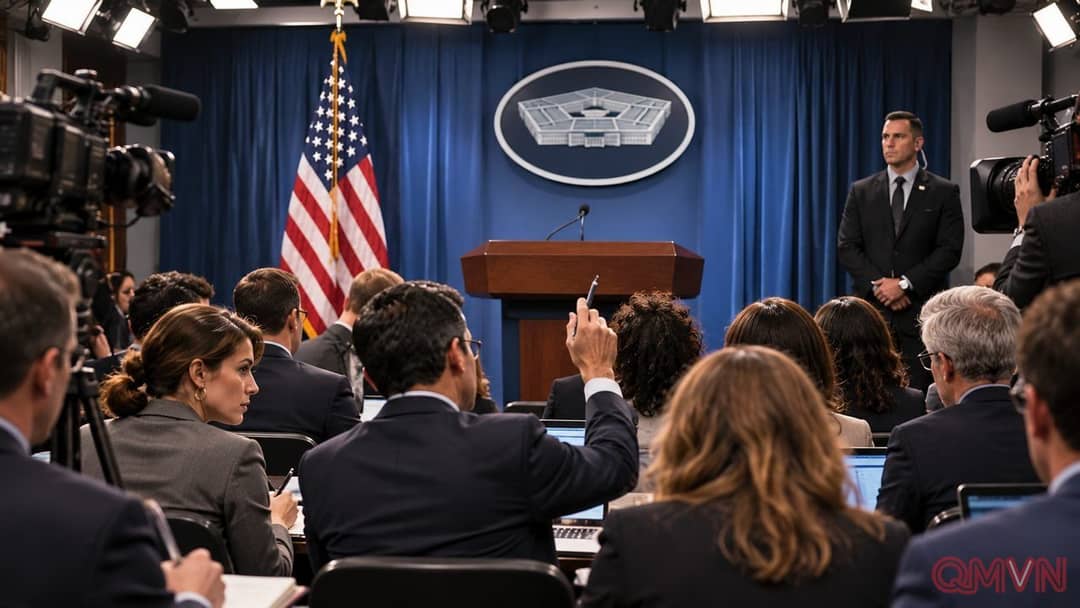
Before Hegseth entered the briefing room on November 10, a security agent told journalists that unprofessional conduct or failures of decorum might lead to physical removal. The Washington Post’s Tara Copp reported that reporters repeatedly asked for the boundary to be defined, particularly whether shouted follow-up questions were prohibited. The official offered no precise answer, leaving a familiar newsroom practice in uncertain territory.
Political aide Joel Valdez later offered to explain the rules only off the record, according to the Post. Several journalists objected to keeping the rules governing their own access confidential, and the exchange ended without a public clarification. The distinction matters: no journalist was expelled, but a threatened sanction can affect behavior even if it is never carried out.
News conferences require order and the protection of participants. Yet a sharp question and a security threat are not the same thing. When time is scarce, journalists sometimes call questions aloud because officials have declined to recognize them. Any defensible standard should separate obstruction from persistent reporting, and should be both clear and consistently applied.