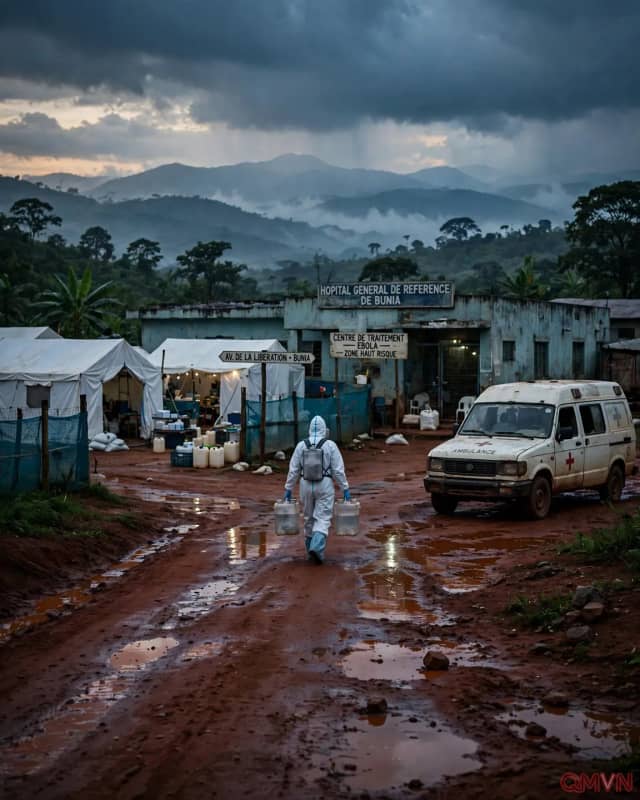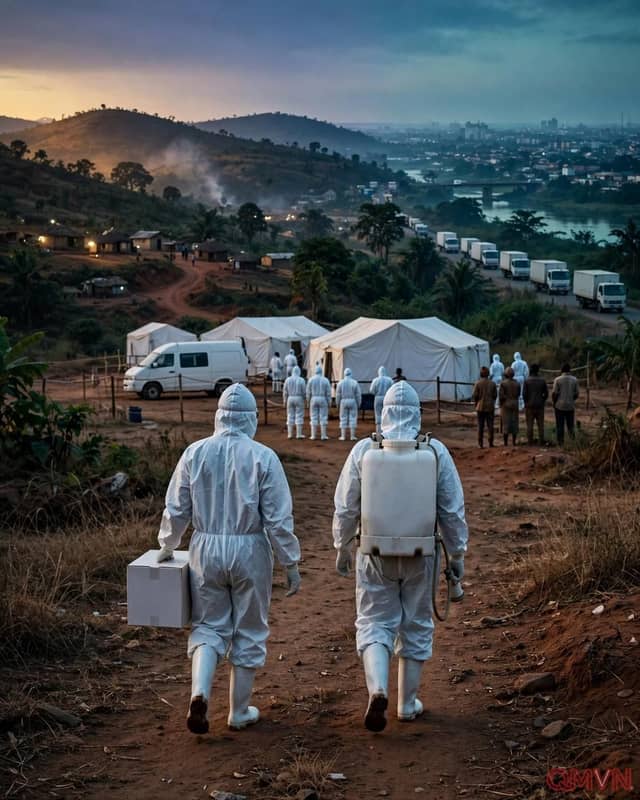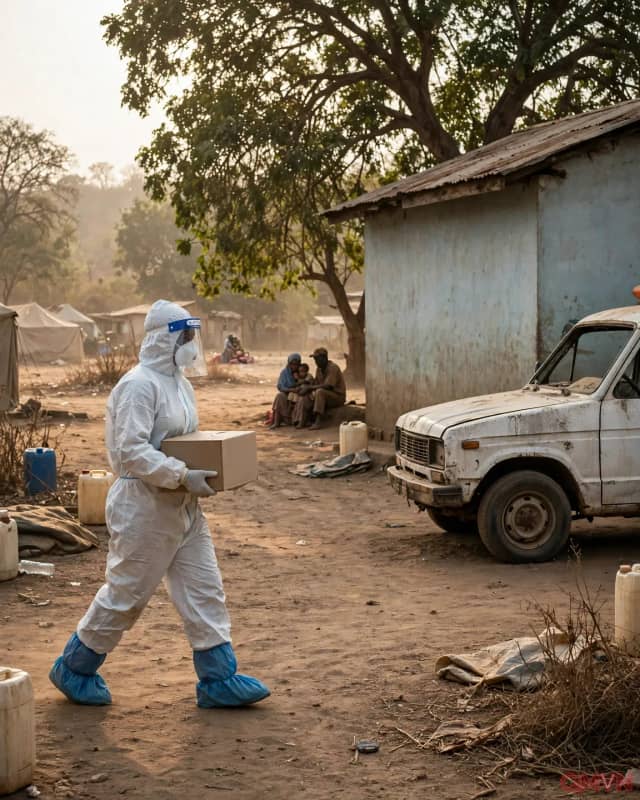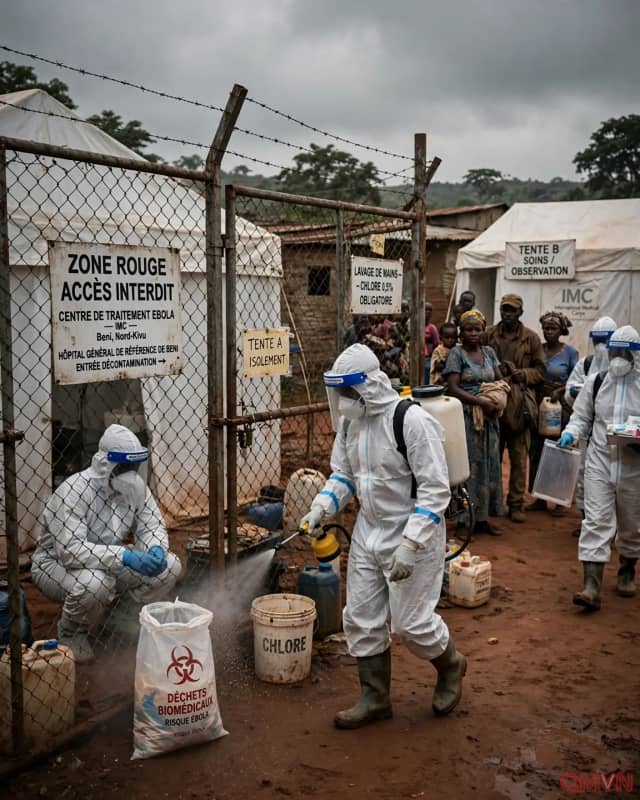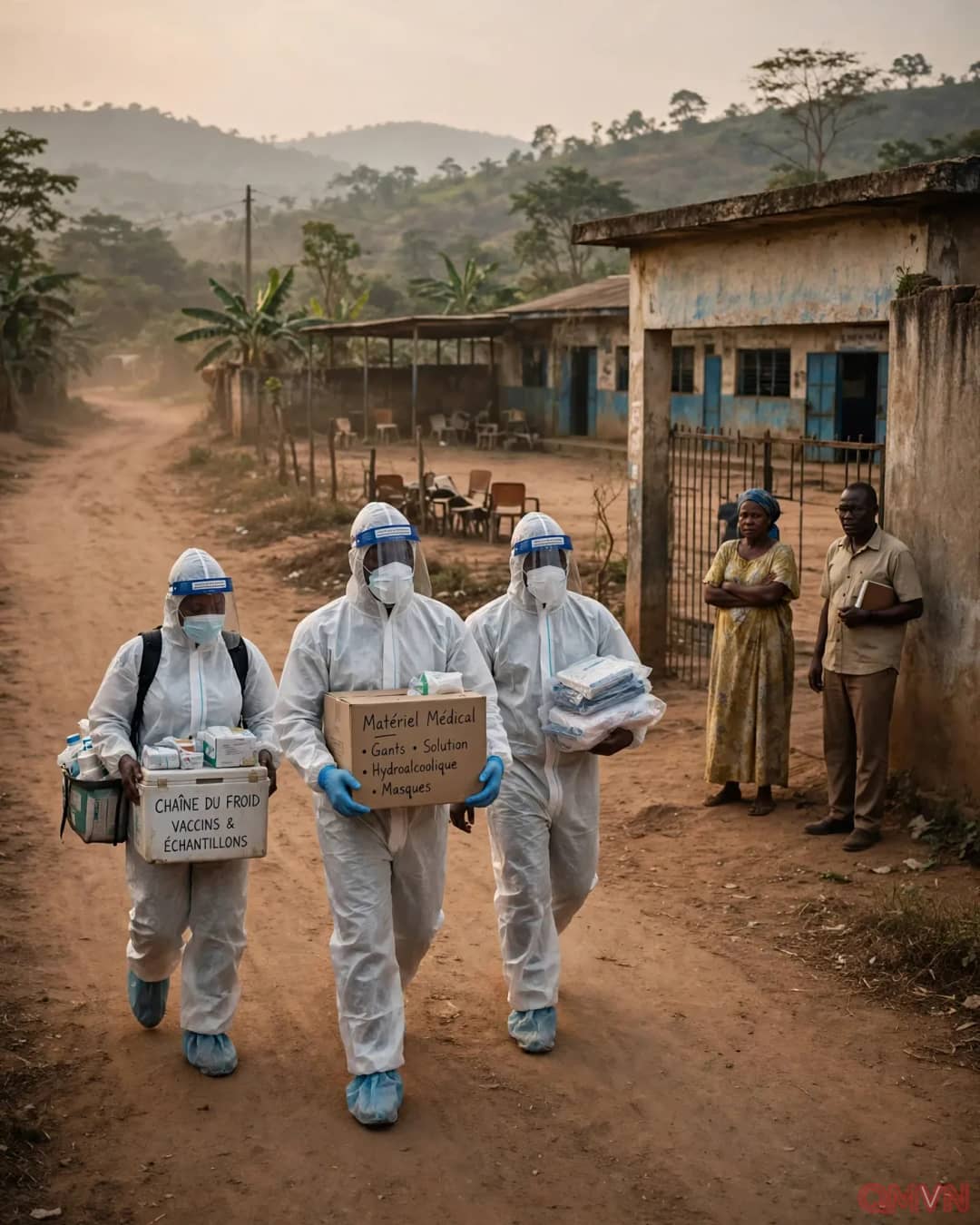
Grim numbers
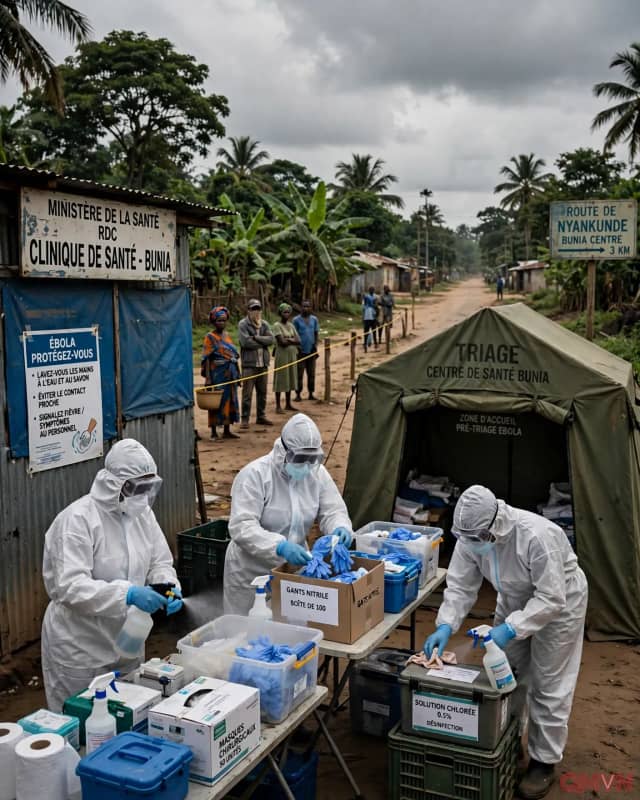
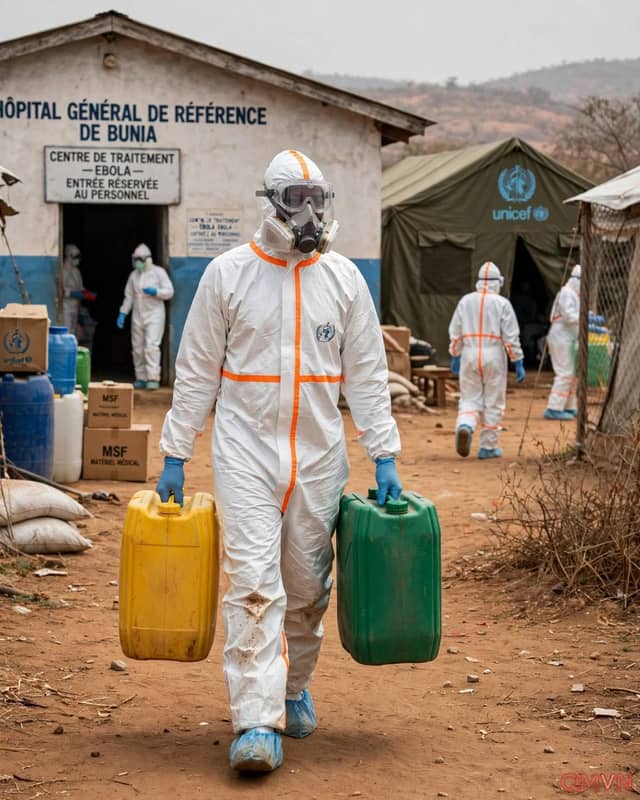
The latest figures paint a stark picture of an epidemic that has outpaced every effort to contain it:
11,042 people infected and 5,387 deaths, a fatality rate of nearly 50%.
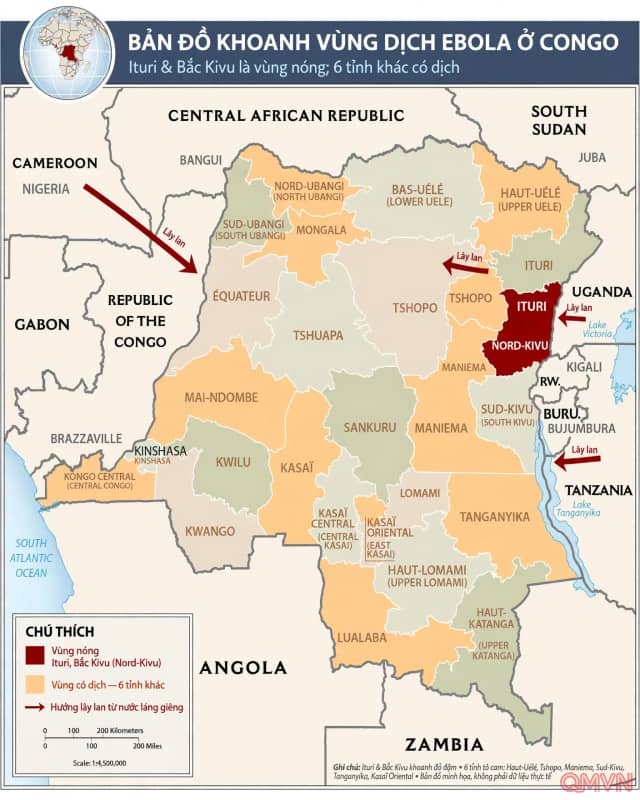
Cases in eight of Congo's 26 provinces, with Ituri accounting for nearly 70% of the total.
North Kivu now the main site of new transmission, according to Health Minister Roger Kamba.
Spread beyond Congo's borders to countries including Uganda, Kenya and Nigeria.
Since its declaration in May, the outbreak has grown at a pace far exceeding the 2014-2016 West African epidemic, which infected 28,000 people and killed more than 11,000 over two years. Over the same span of time, the current outbreak has recorded at least three times as many cases and deaths, and it already ranks as the second-largest Ebola outbreak since the disease was identified in 1976.
A virus without a vaccine
Unlike the Zaire strain behind most recent outbreaks, for which an effective vaccine and treatments now exist, the Bundibugyo virus has no approved vaccine or therapy. First identified in Uganda in 2007, it is one of several Ebola species, with fruit bats suspected to be its natural reservoir.