MAIN ARTICLE
When a slogan meets the limits of reality
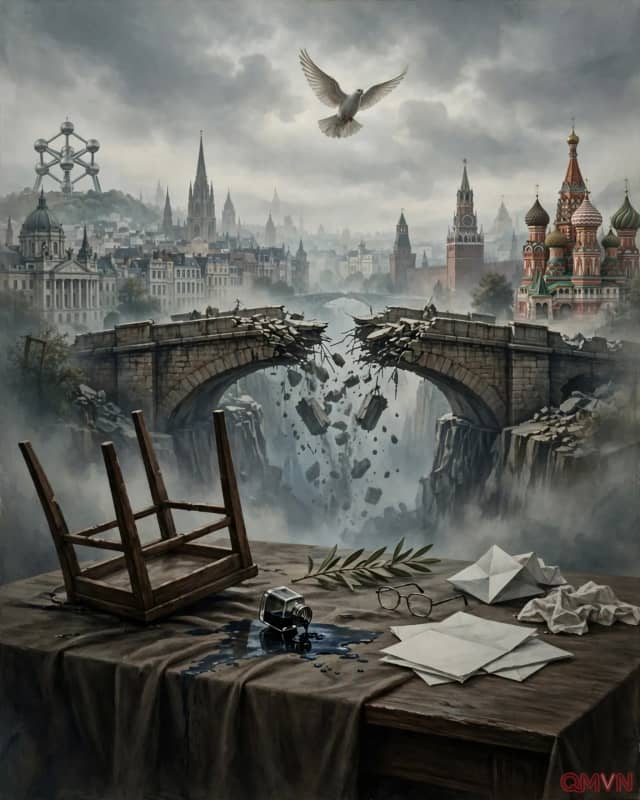
Yan Shenkman recalls the fear that military parades in Moscow inspired in him. Yet seeing military equipment publicly displayed in Yerevan, the city where he now lives, stirred a different reaction. For some Armenians, weapons represent a possible defense against another attack. The writer does not present this personal change as proof that militarization is always desirable. Instead, he illustrates how a single image can have opposite meanings in different historical circumstances.
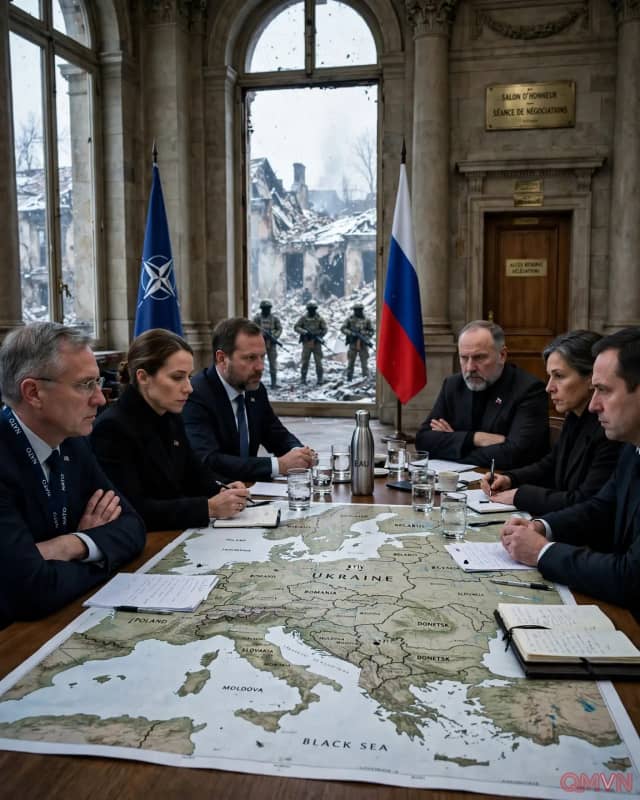
That contrast exposes a distinction between peace as a moral objective and the demand that people under attack refrain from defending themselves. The latter is not neutral: it carries consequences for those whose homes and communities are at risk. In Ukraine, questions of territory, sovereignty and civilian protection have made the ability to resist directly relevant to national survival.
A universal appeal for peace can inspire empathy, but it can also obscure who initiated violence, who bears its costs and what a durable settlement would require. This is Shenkman’s interpretation, rather than a verdict on every pacifist movement. The value of the essay lies partly in exposing the assumptions behind a phrase that appears to be self-evidently humane.