MAIN BODY
A dispute with consequences beyond the battlefield
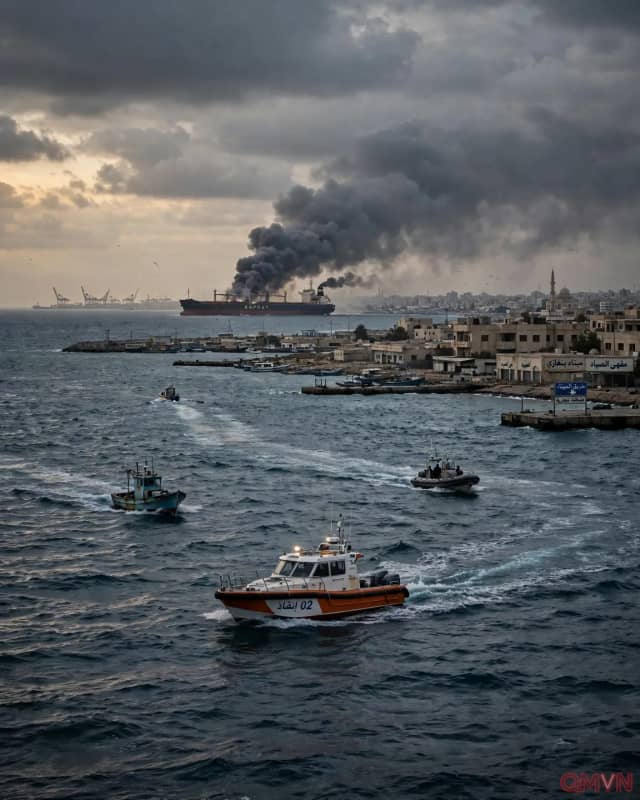
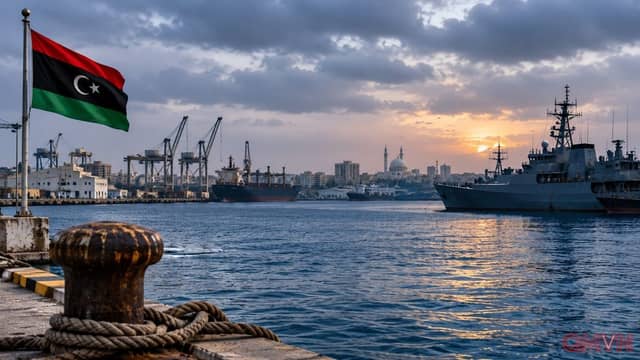
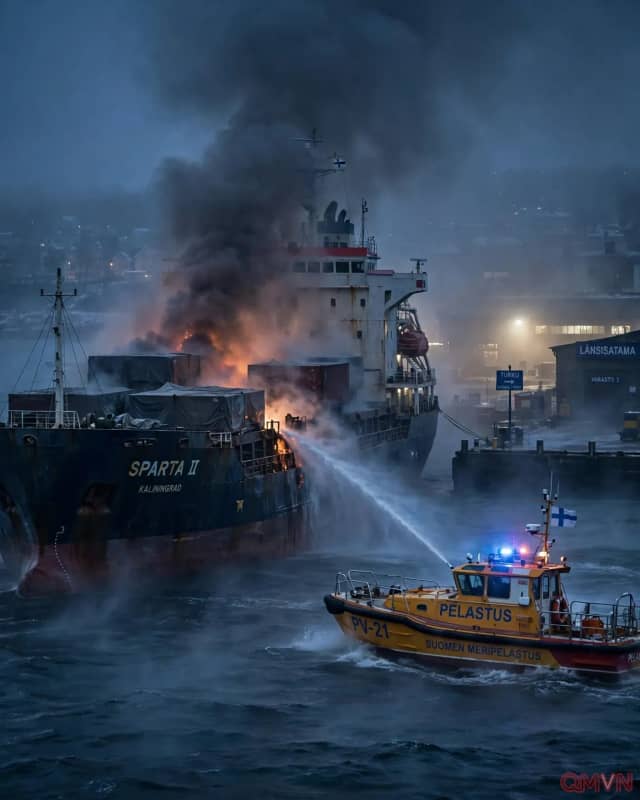
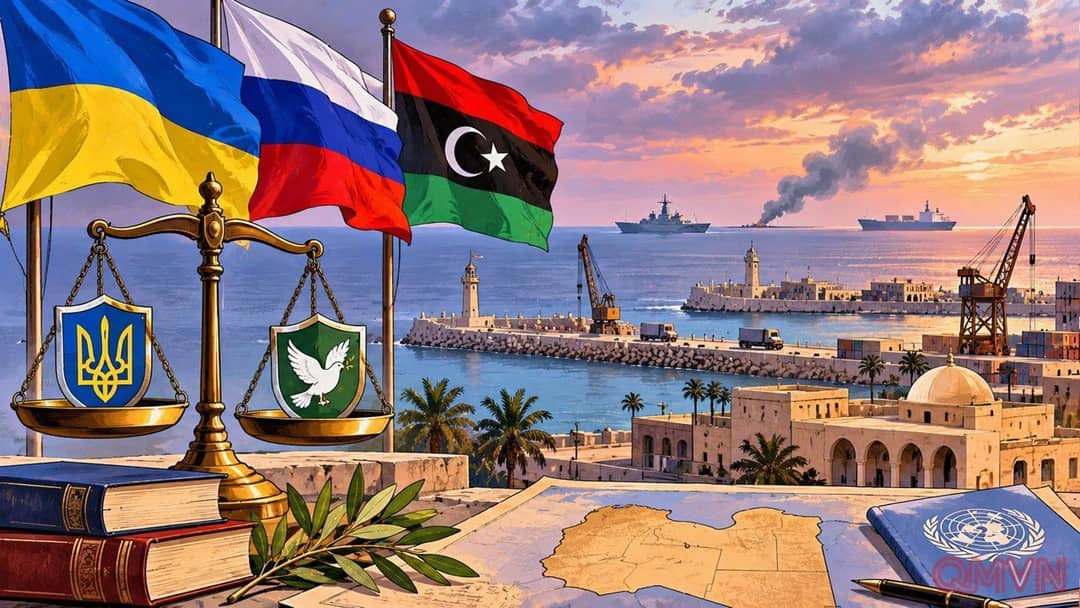
According to Reuters, Kyiv acknowledged responsibility for the operation involving the Russian naval vessel Merkury and a cargo ship near Benghazi. Ukrainian authorities described the vessels as connected to Russia's military effort. Tripoli condemned the operation and rejected the prospect of Libyan territory becoming a platform for hostilities. The two positions reflect sharply different priorities: Ukraine seeks to counter an ongoing invasion, while Libya seeks to protect its sovereignty and avoid further destabilisation.
The eastern authorities' report of two deaths brings a human dimension to an argument otherwise dominated by strategy and law. The Libyan National Army warned that it would respond, increasing concern about further tensions. Russia's defence minister had not publicly addressed the incident at the time of the Reuters report. The absence of a statement should not be treated as confirmation of Kyiv's account or as proof of a particular Russian response.
What the right of self-defence actually means
Sybiha invoked Article 51 of the United Nations Charter, which preserves the right of individual or collective self-defence following an armed attack. Ukraine has a clear basis for invoking that right in response to Russia's full-scale invasion.
But the existence of a right to defend itself does not automatically establish the legality of every individual use of force, particularly within the territory of a third country.
Article 2(4) of the same Charter protects states against force directed at their territorial integrity or political independence. Questions of necessity, proportionality and any consent by the territorial state must be considered alongside the facts of the operation. The law governing the conduct of hostilities also requires distinction between military objectives and civilian objects. A commercial vessel cannot be treated as a military objective simply because of its nationality. No definitive legal determination about this particular incident is established by the reports reviewed here.
Libya's divided institutions complicate the picture
The Reuters account of Libya's political divisions highlights why foreign operations are particularly sensitive. The internationally recognised Government of National Unity is based in Tripoli, while much of the east is controlled by forces associated with Khalifa Haftar. Their external relationships differ. The presence of foreign personnel and military partnerships has become an enduring source of competition, with local communities bearing many of the consequences.
Eastern authorities asked the United Nations to investigate allegations concerning Ukrainian activities in western Libya. Tripoli subsequently rejected the use of Libyan territory for hostile operations. These statements should not be confused with independently established findings about the allegations. A transparent investigation could clarify disputed facts and help prevent competing political narratives from worsening domestic divisions.
A Mediterranean security challenge
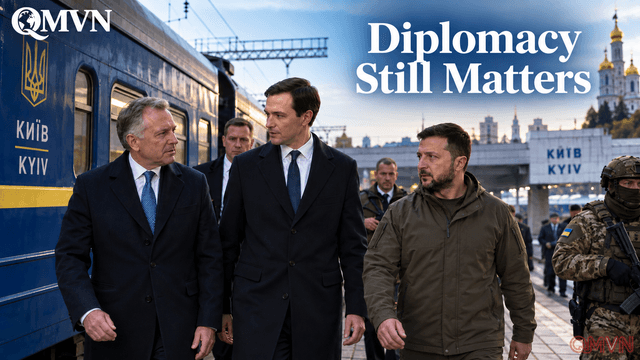
Italy's Foreign Minister Antonio Tajani expressed concern to his Ukrainian counterpart, according to Euronews and The Guardian. For countries bordering the Mediterranean, the issue is not confined to military diplomacy. Commercial shipping, port workers, maritime insurance and the reliability of regional transport all depend on confidence that conflicts will not spread unpredictably. Financial Times commentary on the widening geographical reach of the war likewise illustrates the growing policy debate, rather than establishing a legal verdict.
Three priorities emerge: protecting civilian maritime activity, maintaining diplomatic channels and establishing credible facts before drawing conclusions. Ukraine's security needs and Libya's sovereignty cannot be reduced to competing slogans. A sustainable response must take both seriously, while recognising Russia's responsibility for launching the full-scale invasion and the independent rights of countries outside the conflict.