A night of terror
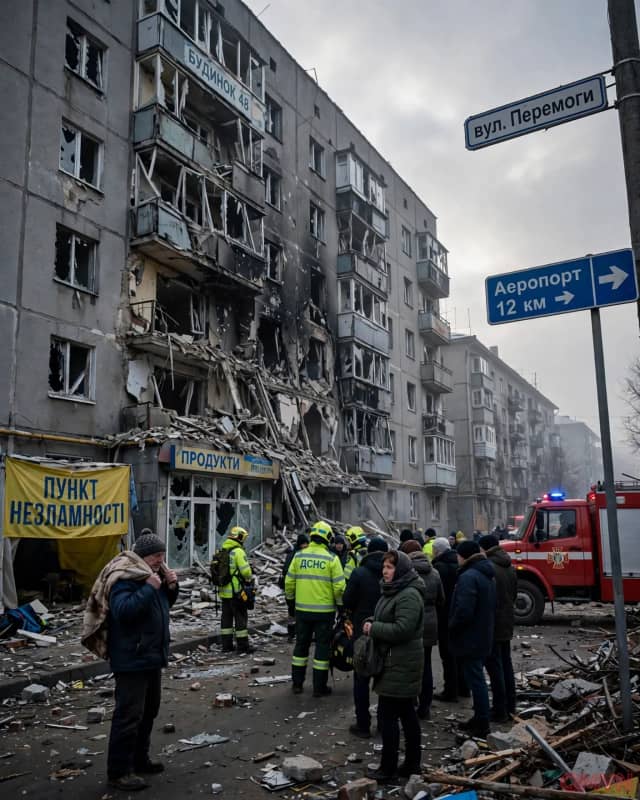
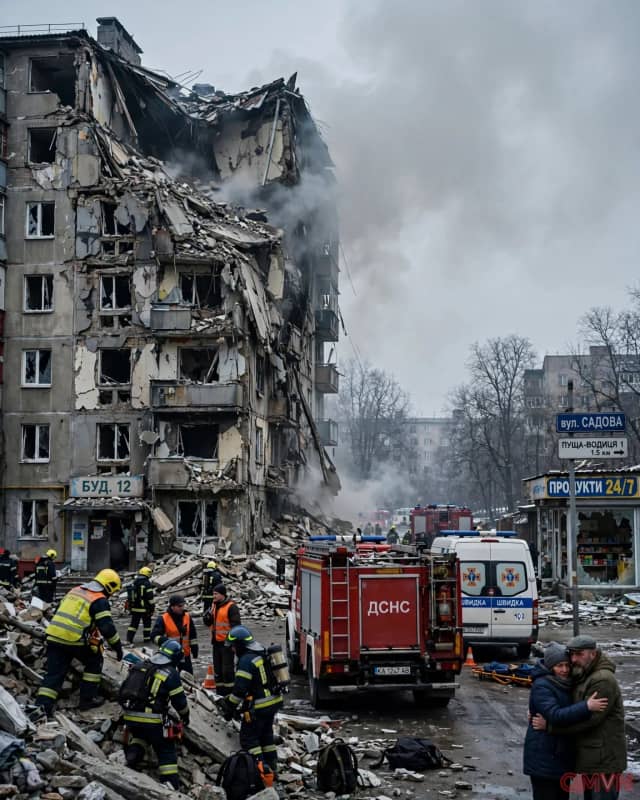
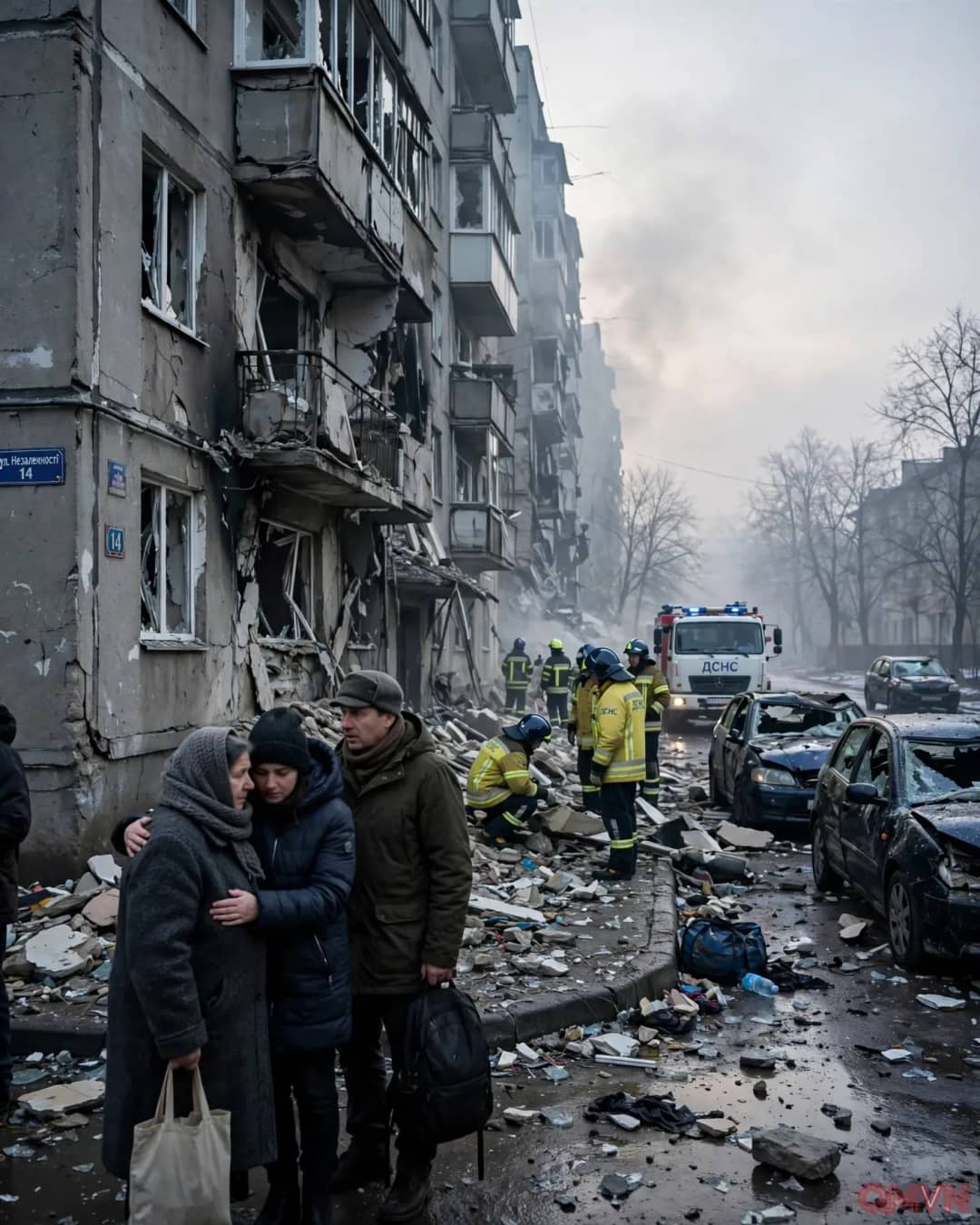
According to Governor Semikin, the attack damaged apartments, private houses, transport infrastructure and cars. The images released showed the apartment block with its windows blown out and the ground covered in debris.
Local officials initially reported fewer wounded before the figure rose to 40 as rescue work got under way. Rescue teams worked urgently to search for people who might be trapped under the rubble. Residents gathered outside the damaged building in the morning, surveying the destruction of their homes.
Two sides, two stories
Russia's Interfax news agency, quoting the defence ministry, said the Russian military had hit drone control sites, Starlink satellite terminals and other military assets in Ukraine's Sumy region, also killing servicemen. The Sumy region borders Russia and has frequently come under attack.
Reuters said it could not independently confirm the reports. Russia and Ukraine both deny deliberately targeting civilians, while air strikes continue to cause casualties among residents of cities near the front line.
The price paid by civilians
The fact that four children were among the wounded is another reminder of the heavy toll borne by civilians in this war. Apartment blocks, where families were asleep, became the places that took the blow. For children, such nights can leave lasting fear long after the wounds have healed.
For the people of Zaporizhzhia, nights of air-raid alerts have become part of daily life. Each morning after an attack brings efforts to clear up, repair and somehow carry on living.
Peace still far away
During the same night of Russian attacks on Ukraine, Poland's military said a Russian drone had briefly entered its airspace, adding to fears that the conflict could spill over into NATO territory.
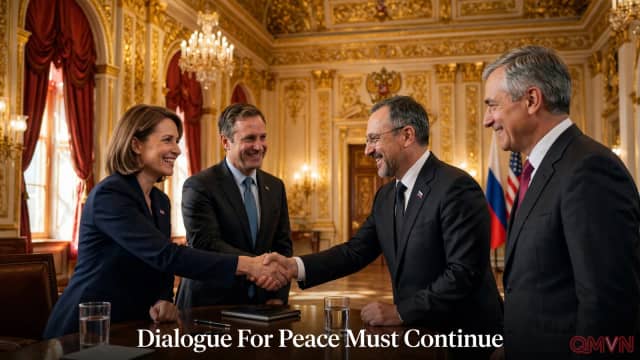
US-backed talks between Russia and Ukraine resumed this month after a nine-month pause but have so far produced little result. While a diplomatic solution remains elusive, people on both sides of the front line continue to pay the price. Humanitarian organisations have repeatedly called for greater protection of civilians and civilian infrastructure, in line with international humanitarian law.