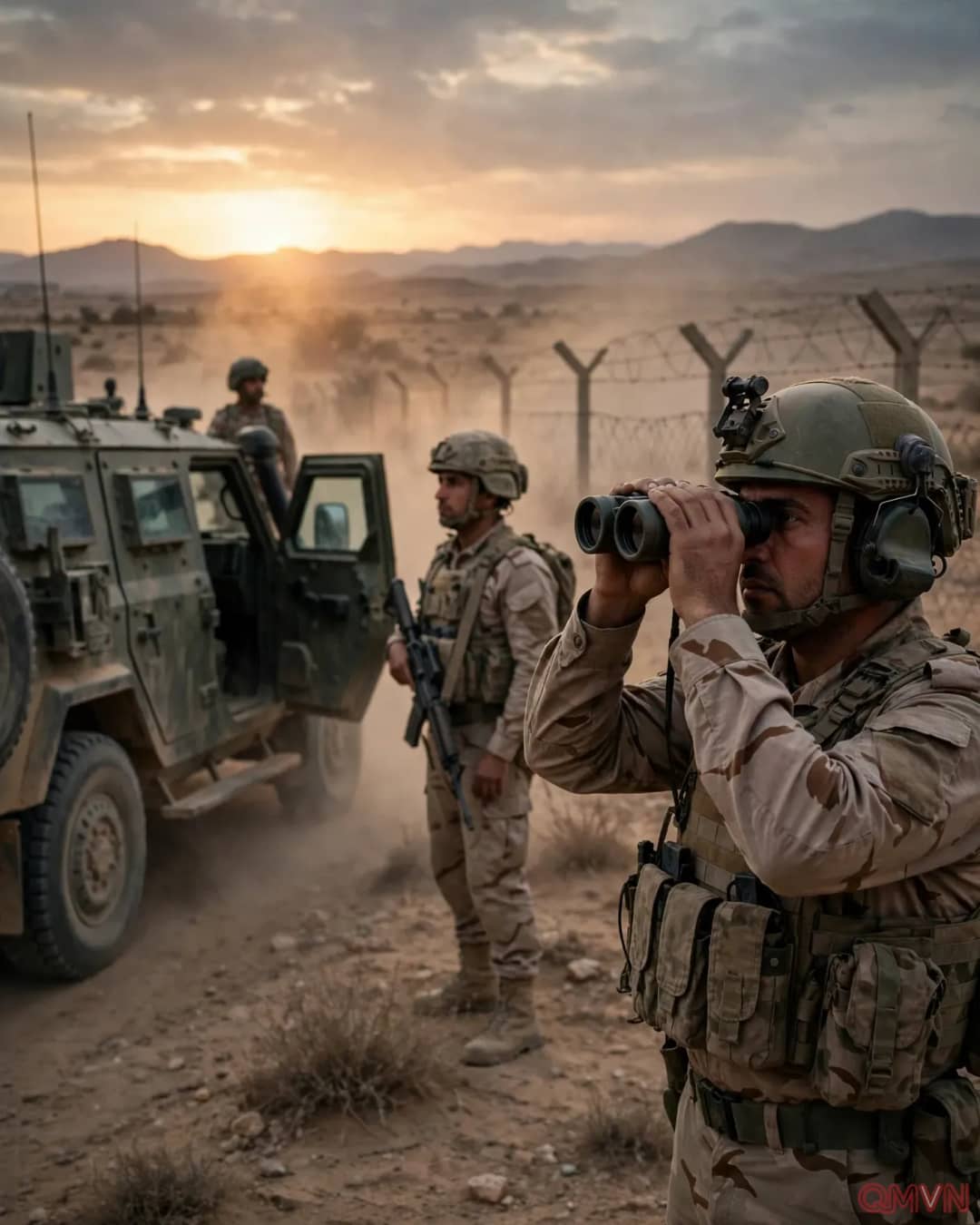
Jordanian armed forces intercept armed group attempting cross-border infiltration from Syria amid escalating regional tensions
Jordanian border patrol units successfully neutralized a dangerous infiltration attempt by an armed group of 14 individuals crossing from southern Syria following intense firefights that inflicted multiple casualties on the insurgents. The tactical engagement occurred as the Hashemite kingdom maintains maximum military readiness following a deadly terrorist assault on a Greek Orthodox church in Karak governorate that claimed nine lives. In swift retaliation, Jordan conducted surgical airstrikes targeting Islamic State redoubts inside Syrian territory, neutralizing over 20 militants. Despite diplomatic friction over airspace sovereignty and civilian casualties, Amman and Damascus have reaffirmed strategic cooperation by instituting a joint security committee to enhance intelligence sharing. This coordinated posture highlights mutual determination to thwart militant resurgence and preserve border stability across the Levant.
Edite QUANG MINH·1 min read · 3 min listen·31 October 2026, 21:00 EDT·
AI-generated illustration
MAIN BODY
Border skirmishes and decisive countermeasures against militant infiltration
The violent confrontation along Jordan’s northern demarcation line underscores the persistent asymmetric threats posed by transnational smuggling syndicates and radical extremist cells. Border guards responded with overwhelming force, repelling the 14-member armed contingent and forcing surviving fighters to retreat deeper into Syrian territory.
Advertisement300 × 250
*
"We will respond with an iron fist against any extremist terrorism that seeks to undermine our national harmony and societal security." — King Abdullah II
*
Following the tragic October 23 funeral shooting in Hamoud village, Jordanian defense authorities escalated counterterrorism operations along frontier transit corridors. Precision airstrikes against fortified hideouts in southern Syria served as an uncompromising operational signal that hostile sanctuaries adjacent to national borders will not be tolerated.
Intercepting 14 heavily armed operatives attempting clandestine nighttime infiltration into Jordanian territory.
Neutralizing more than 20 Islamic State fighters through targeted cross-border counterterrorism aviation strikes.
Deploying advanced drone reconnaissance and sensor networks across vulnerable northern desert corridors.
Bilateral defense coordination and neutralizing the extremist resurgence
Although cross-border strikes initially strained diplomatic exchanges regarding territorial sovereignty and civilian harm, both capitals acted swiftly to insulate their strategic rapprochement. Establishing a dedicated joint investigative committee reflects a mutual realization that border porousness endangers stability in Damascus and Amman alike.
*"Our region is facing lots of challenges; however, with robust cooperation across our borders, we can overcome them." — Syrian Foreign Minister Asaad al-Shaibani*
Since the transformative political transitions in Syria in late 2024, bilateral engagement on narcotics interdiction and trade corridor protection has expanded substantially. Deepening trilateral defense synergy between Jordan, Syria, and Iraq is increasingly viewed as the primary defense against scattered extremist remnants seeking a territorial comeback.
Forming a combined bilateral defense mechanism to assess border strikes and share tactical intelligence in real time.
Strengthening coordinated border interdiction efforts to dismantle illicit narcotics and weapons trafficking cartels.
Affirming mutual respect for sovereign territorial integrity while protecting civilian populations along border towns.
EVENT BACKGROUND
This security crisis originated on October 23, 2026, when radical gunmen opened fire during a funeral service at a Greek Orthodox church in the village of Hamoud, situated within Jordan’s southern Karak governorate, leaving nine worshippers dead and 34 injured. The unprecedented assault targeted Jordan’s Christian minority, shaking a nation widely recognized as an anchor of institutional stability in the Middle East. Security friction mounted when Jordan launched retaliatory airstrikes against Islamic State sanctuaries in southern Syria, eliciting formal sovereign objections from Damascus over civilian casualties. The central crux of the crisis lies in the opportunistic resurgence of clandestine extremist cells seeking to exploit frontier vulnerabilities, compelling neighboring states to set aside bilateral grievances and forge resilient defense pacts.
KEY LESSONS LEARNED
National security and peace are delicate achievements that demand perpetual vigilance and professional border governance.
Against transnational extremism, institutional intelligence sharing and regional solidarity remain the ultimate line of defense.
Intercommunal harmony and social cohesion constitute an impregnable fortress against ideological attempts to incite sectarian strife.
Subscribe to the QMVN newsletter
A daily morning digest - only stories worth reading, no spam.