Fort McMurray: from boom to bust
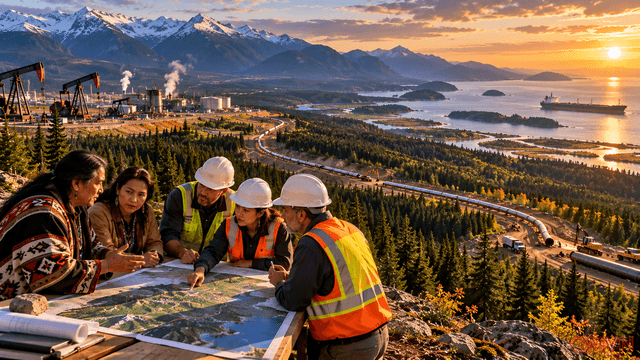
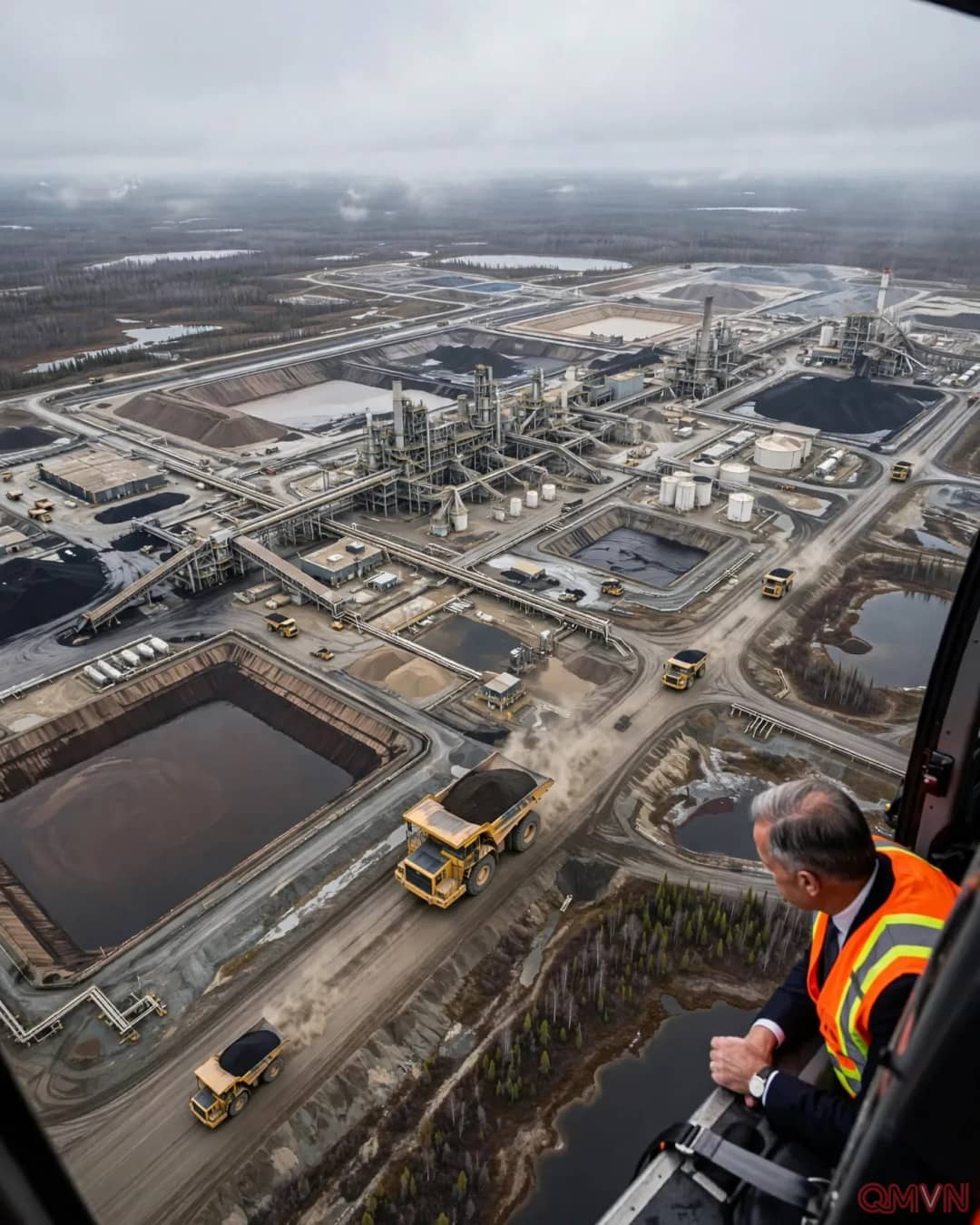
From 2000 to 2014, Canadian and international oil companies spent billions building mega-mines to extract bitumen, the thick oil found in northern Alberta. Fort McMurray became a place where high school graduates could earn six-figure salaries, and fly-in workers from as far as 5,000 km away packed work camps because the city lacked housing.
Then came the 2015 oil price crash, followed by a devastating wildfire in 2016. Investors’ growing focus on environmental, social and governance (ESG) criteria and the climate policies of former Prime Minister Justin Trudeau deepened the slump. International majors exited; annual oil sands capital investment fell from a peak of C$35 billion in 2014 to C$14.2 billion in 2024.
Alberta’s oil and gas sector employs 435,000 people today, 85,000 fewer than in 2014, and real disposable income remains 10% below that year’s level. Although the regional population has grown for the first time in a decade, vacant commercial spaces still dot downtown.
More oil, fewer workers
Asked by Reuters what the pipeline would mean for the regional economy, Carney, a former central banker, cautioned against expecting a new boom.