MAIN ARTICLE
1. A historic square hears a younger generation
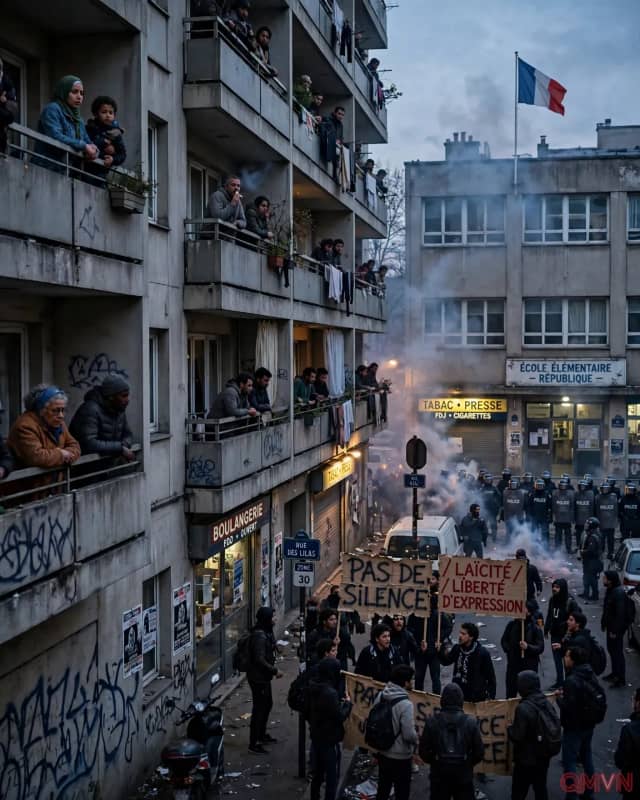
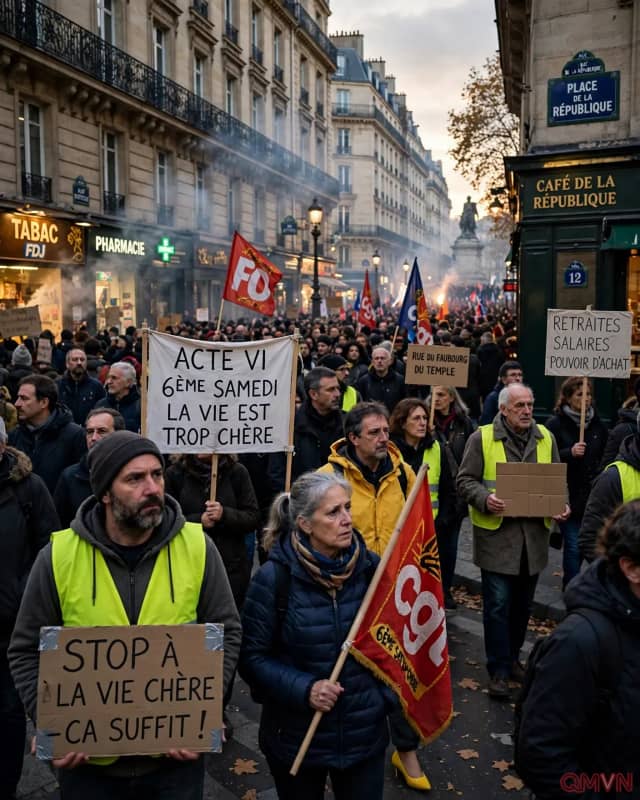
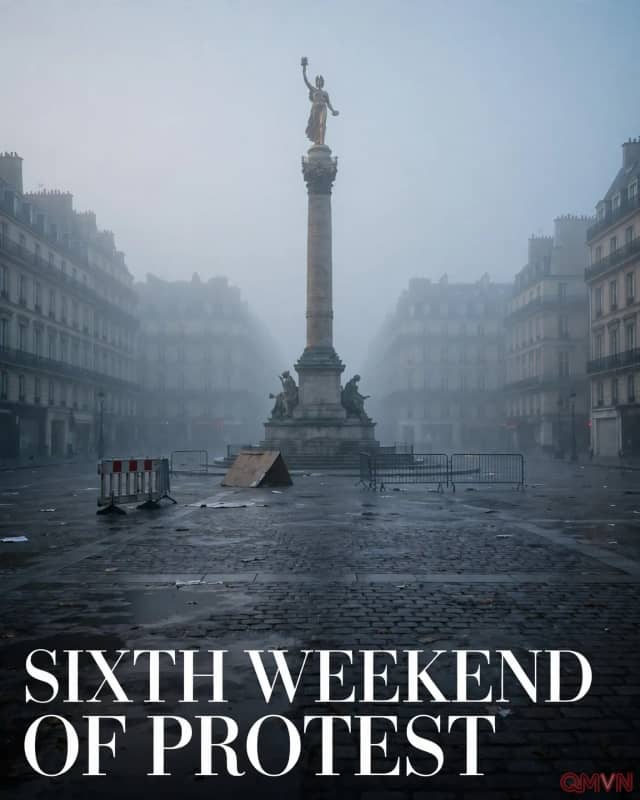
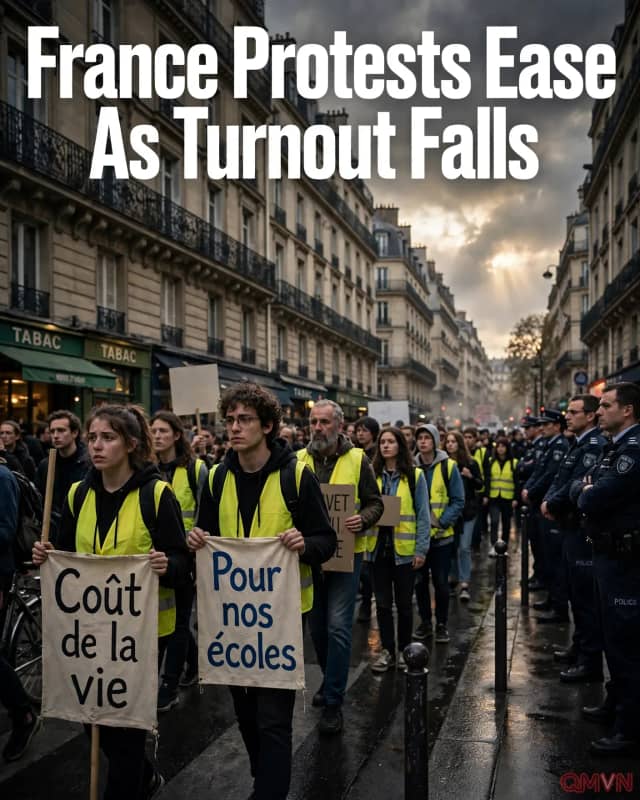
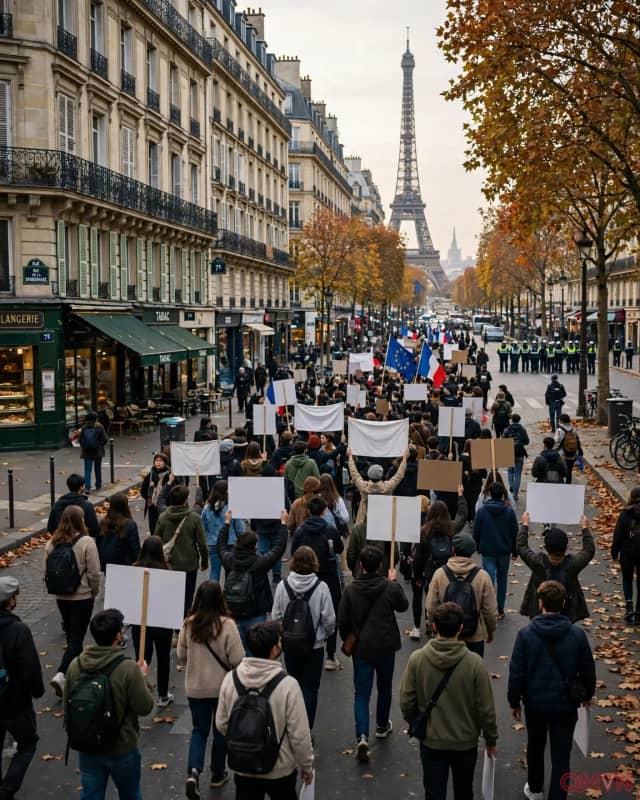
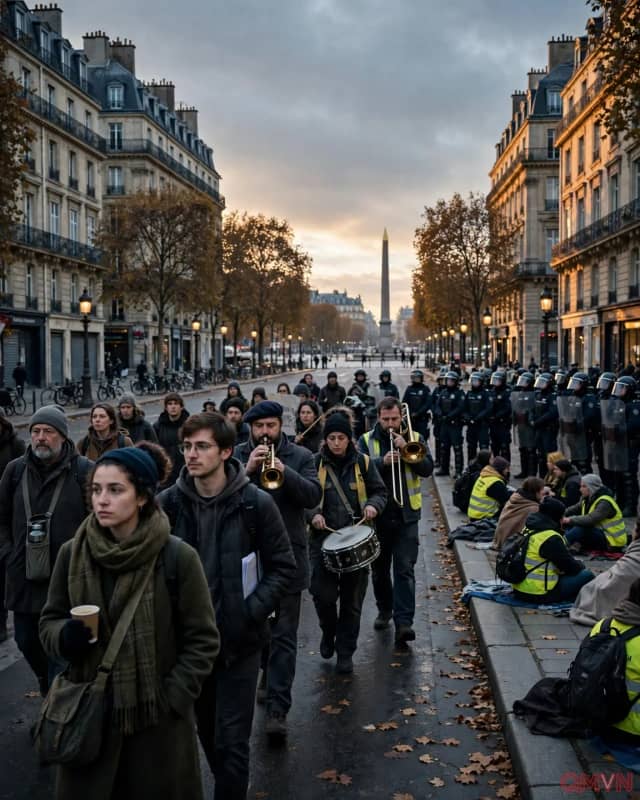
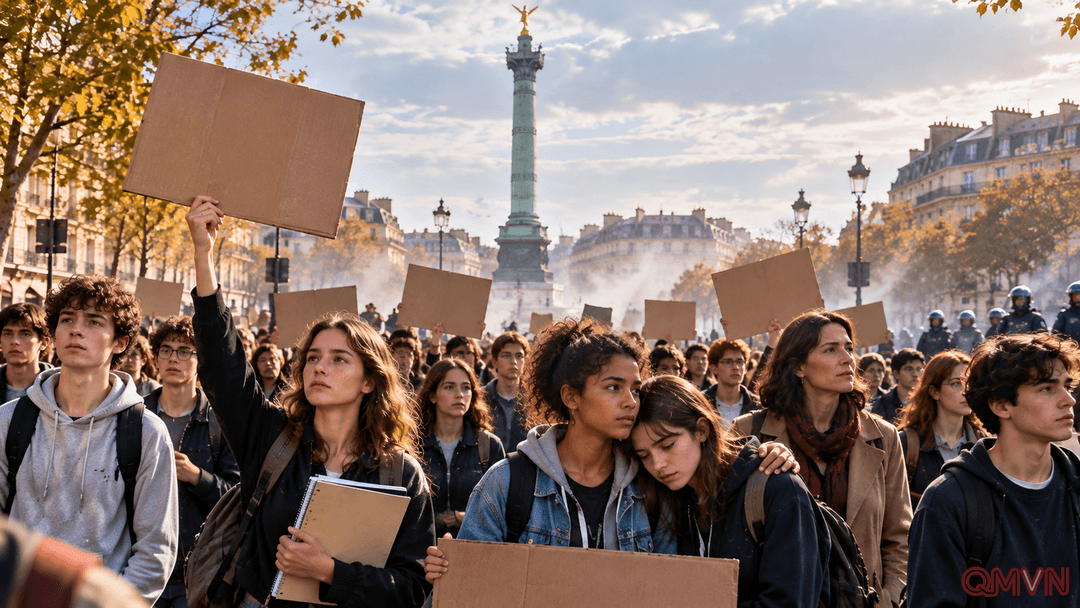
Beneath the monument at Place de la Bastille, homemade placards and young voices turned an ordinary school day into a national conversation about opportunity. Not everyone in the crowd belonged to a political organization. Many had come from suburban schools around Paris with highly practical grievances: cancelled lessons, classrooms stretched beyond capacity and the persistent feeling that decisions about their education were being made without them.
According to Reuters and Le Monde, the Interior Ministry counted 71,500 marchers across France on October 8, including 24,500 in Paris. About 55,000 people also joined actions outside schools; some later entered the marches, so the two figures should not simply be added together. The Education Ministry reported that 375 schools were fully or partly closed that day, showing how widely the unrest disrupted ordinary learning.
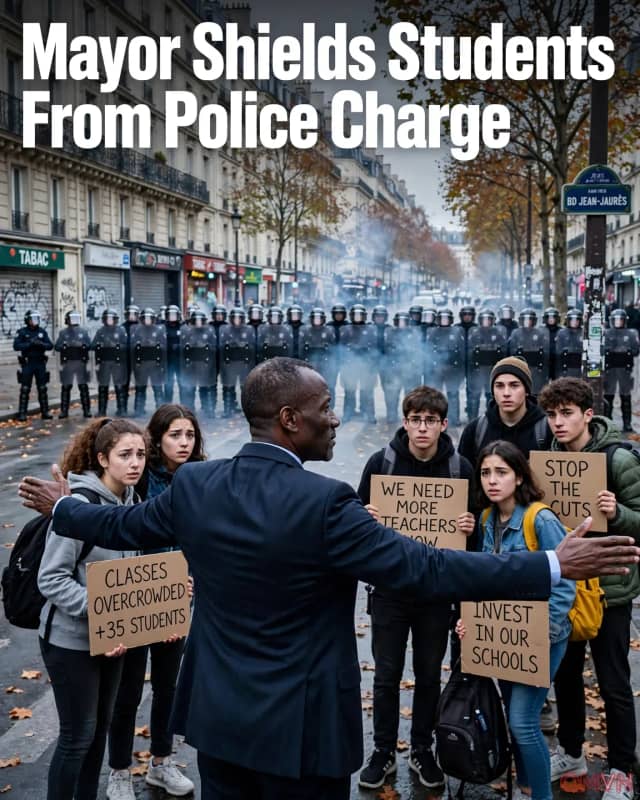
Festive scenes and expressions of solidarity in many locations gave way to confrontation in some places. At Bastille, following projectiles thrown by a section of the crowd, police used tear gas and a water cannon to disperse protesters. The Interior Ministry reported 504 arrests on October 8 and injuries to 48 police officers and gendarmes. These figures illuminate the fragile boundary between the right to peaceful protest and the danger of escalation.