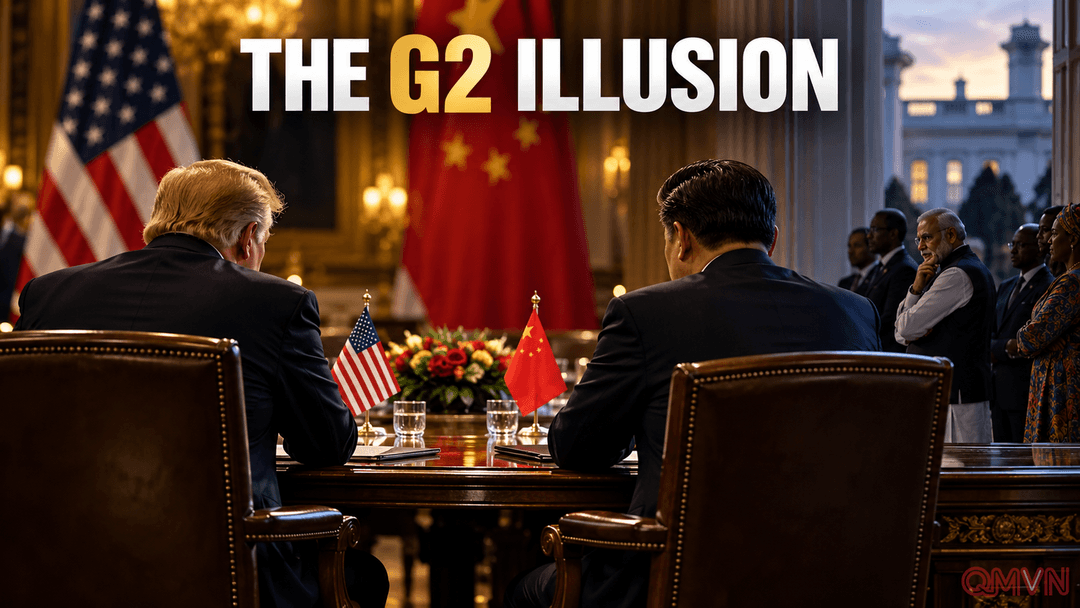
Ceremony does not create a G2 constitution
Xi's September 23–25 state visit placed diplomatic spectacle at the centre of the story. Presidents Donald Trump and Xi appeared capable of discussing matters far beyond bilateral relations. In its September 25 fact sheet, the White House said the two sides would pursue a constructive relationship of strategic stability based on respect, fairness and reciprocity. China's Xinhua news agency reported similar language. Agreement on diplomatic vocabulary, however, is not evidence that Washington and Beijing have created a standing arrangement to govern world affairs together.
The shorthand “G2” suggests a world in which two capitals jointly set consequential rules. That is something quite different from a successful state visit or a negotiated tariff reduction. Even a durable technology dialogue would leave allies, competitors and smaller states with independent interests. Three questions therefore need to be separated: whether China is received as a major power, whether it negotiates on an equal footing, and whether the two countries acquire a shared right to manage the international order. The imagery of the visit establishes little beyond the first.
One word, two definitions of reciprocity
For Beijing, equality concerns sovereignty, development and respect for what it considers fundamental national interests. Foreign Minister Wang Yi emphasised such an understanding after the visit, according to Xinhua.