The “smoke holidays”
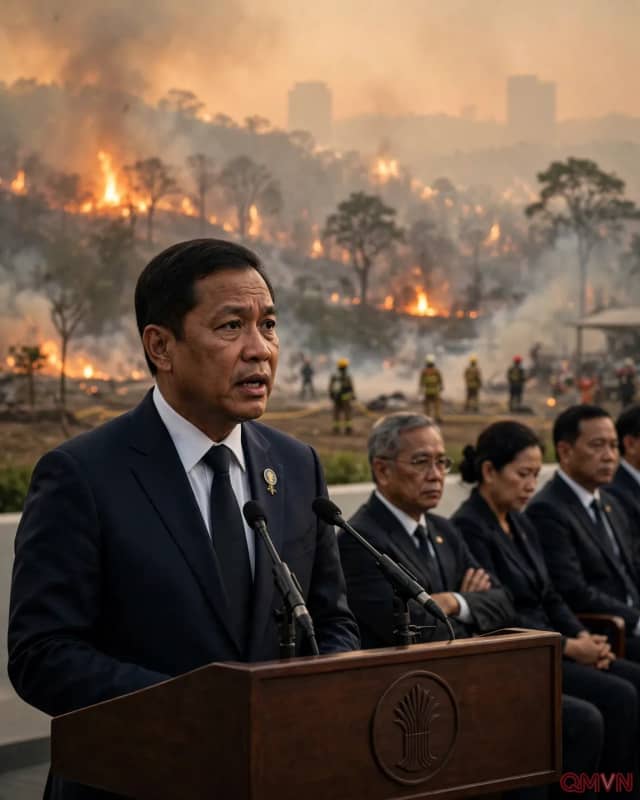
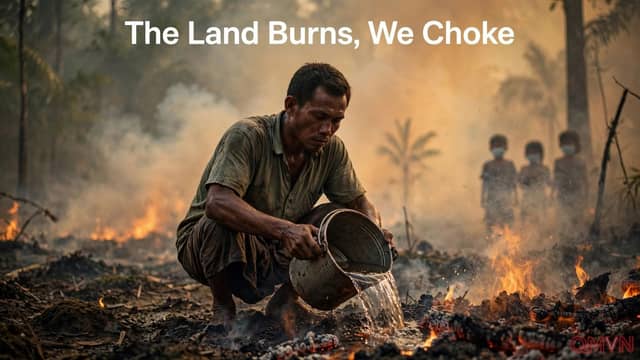
In Kalimantan, people have a name for days when the smoke is too thick for children to go to school: “libur asap,” the smoke holiday. This year, as Singapore and Malaysia choke on the same smoke, a familiar question returns: why doesn't Indonesia simply stop burning? The haze has pushed air pollution to unhealthy and even hazardous levels in some areas, forcing school closures and turning skies orange in parts of Kalimantan.
According to Indonesia's Forestry Ministry, more than 2,020 square kilometers burned between January and July, while the Nusantara Atlas project estimated nearly 8,960 square kilometers had burned by the end of August. Singapore officials expect conditions to improve only when the monsoon winds shift in late October or early November.
Singapore tightens its haze law
On October 16, Singapore's National Environment Agency (NEA) issued preventive measure notices to seven companies linked to fires in Sumatra; three days later, it added three companies with concessions in Kalimantan, bringing the total to 10. The companies must deploy firefighters, stop all burning and submit plans to prevent recurrence.
Sustainability and Environment Minister Grace Fu said authorities used concession maps, satellite imagery and meteorological data to trace the smoke.
“…originated from fires on the lands of seven companies in Indonesia.” — Grace Fu
The notices are not a finding of legal liability, but they open the way to prosecution if the evidence warrants, with fines of up to S$100,000 a day, capped at S$2 million. Singapore's Transboundary Haze Pollution Act helped push Indonesia to ratify the ASEAN haze agreement in 2014.
The livelihoods behind the smoke
According to Indonesia's Agriculture Ministry, the palm oil industry provides around 9.7 million direct jobs, including 5.2 million smallholder plantation laborers, and earned about $36 billion in exports last year, according to the Indonesian Palm Oil Association. Simply telling them to stop burning, the letter's author argues, is asking them to choose between their health and their income. Meanwhile, the pressure keeps rising:
- Since July, the B50 biodiesel mandate has required diesel to contain 50% palm oil-based fuel, pushing up demand and land values.
- Smallholders manage about 40% of Indonesia's oil palm plantations, yet the government's replanting subsidy still has low uptake.
- The European Union's Deforestation Regulation, effective from December, adds trade pressure, though it targets forest conversion rather than fire.
On obligations, the author argues that the Roundtable on Sustainable Palm Oil's (RSPO) ban on using fire for land preparation should be judged against actual dry-season fire records, combined with pressure from regional and trade rules.
Obligations need financing
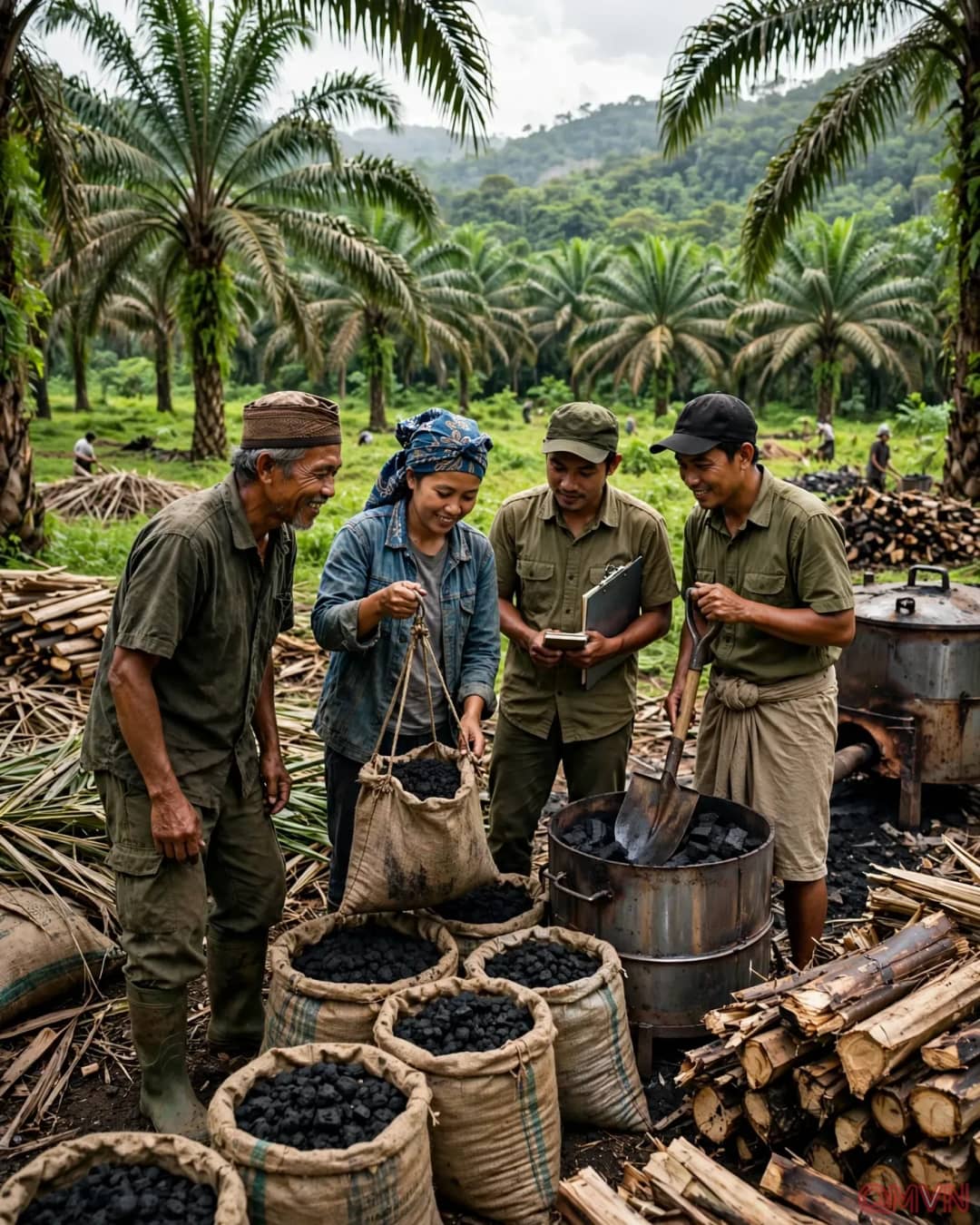
In the author's view, obligations without money are only a burden. The second pillar is financing, through an inclusive closed-loop system in which companies and smallholders support each other. Old oil palm trunks and fronds, usually burned or left to rot, can be turned into biochar; small communities could sell the resulting carbon credits themselves or through cooperatives. The RSPO, whose members include banks and investors, could help bring that financing together.
“The smoke holiday should end, but the livelihoods should not.” — Irene Bougenville Martin
Subscribe to the QMVN newsletter
A daily morning digest - only stories worth reading, no spam.