Main report
Minutes-long incursions prompt a strong protest
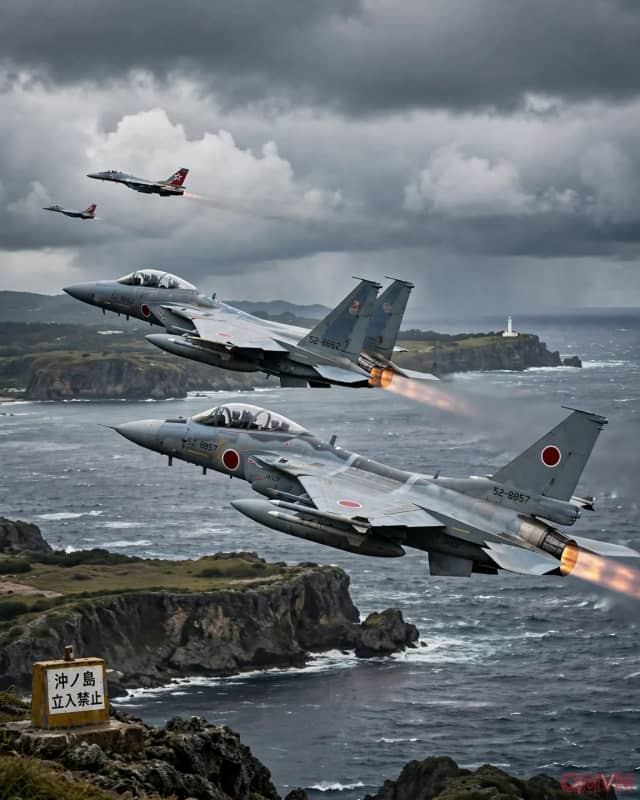
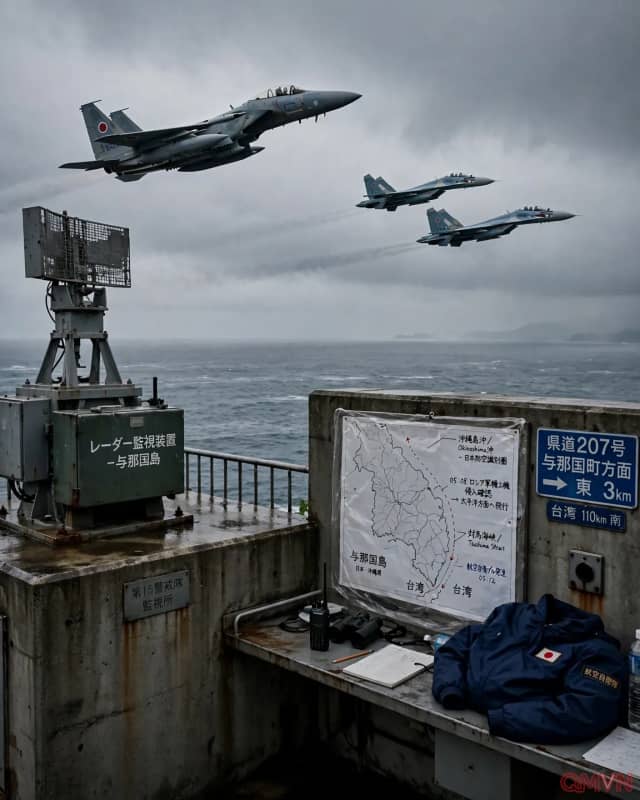
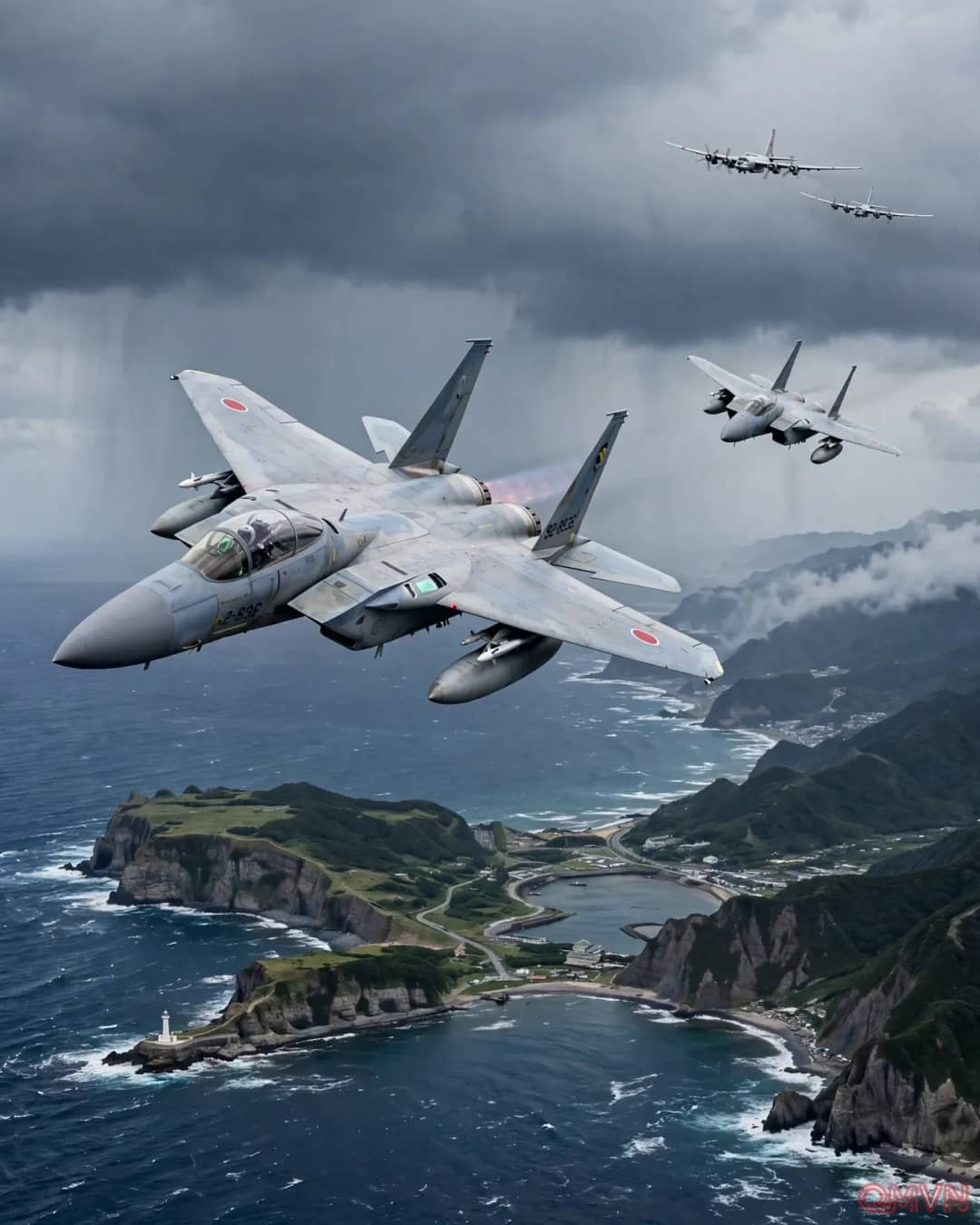
Japan’s Ministry of Defense said on November 17 that one aircraft assessed as Russian crossed into Japanese airspace northwest of Okinoshima over territorial waters between approximately 4:07 a.m. and 4:10 a.m. local time. A second suspected Russian aircraft entered between 4:09 a.m. and 4:12 a.m. The overlapping intervals indicate two separate aircraft movements within the same brief early-morning episode.
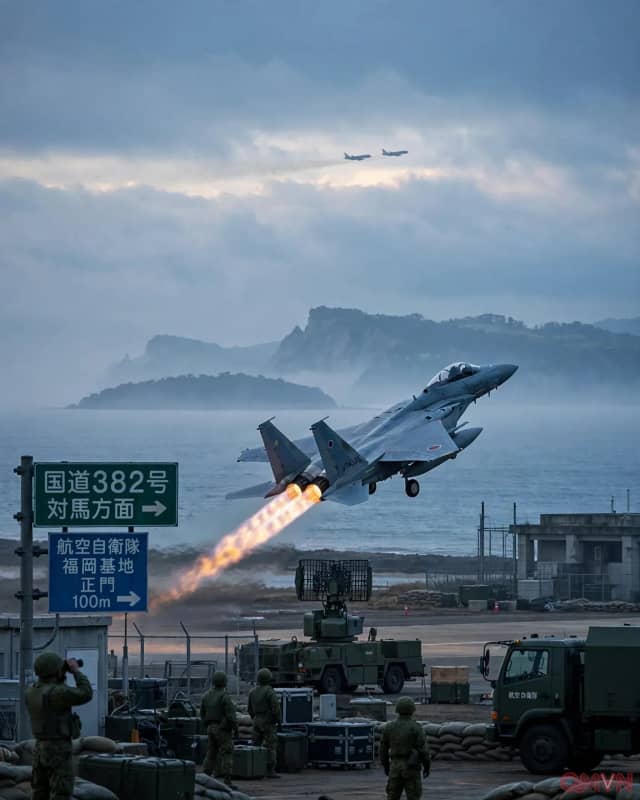
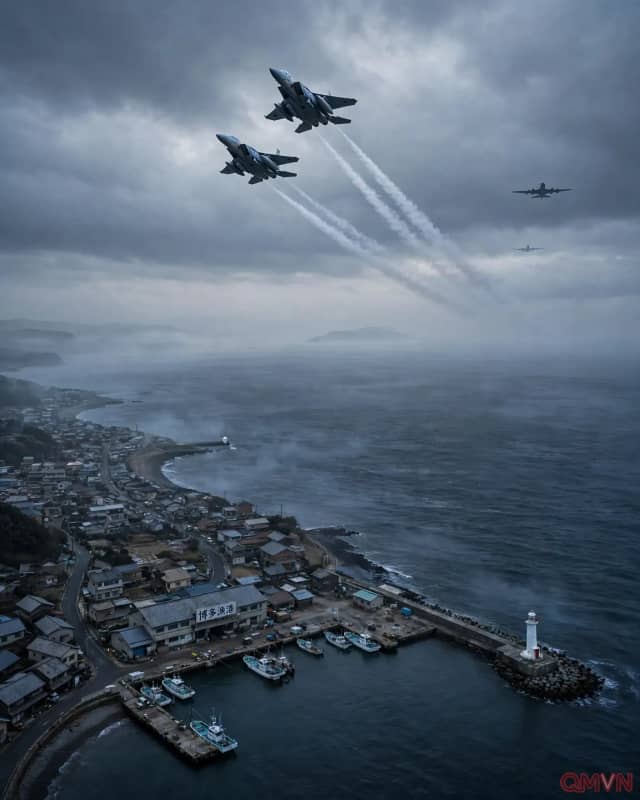
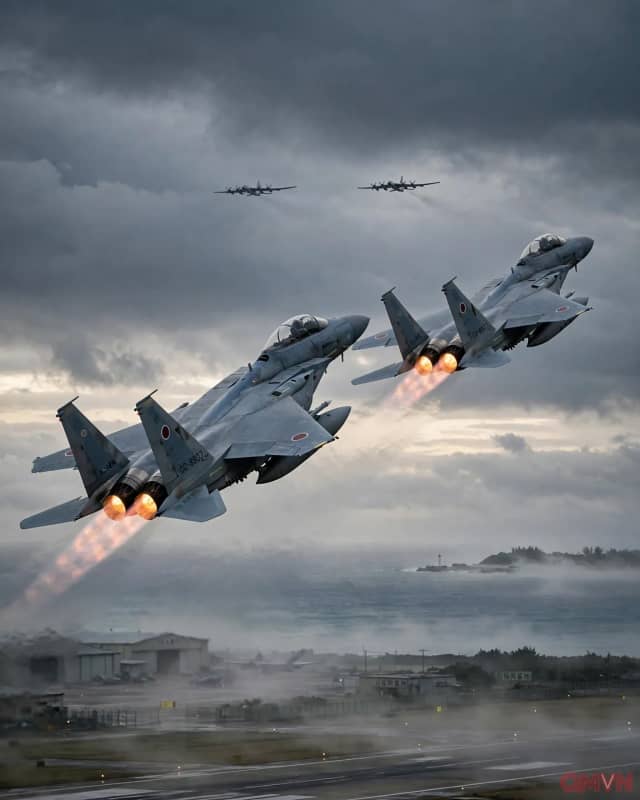
The Japan Air Self-Defense Force launched fighters and issued notifications and warnings. Defence Minister Shinjiro Koizumi called the incident a grave infringement of sovereignty and a threat to safety. Tokyo lodged a forceful protest with Moscow through diplomatic channels and sought measures to ensure the incident was not repeated.
Japan did not identify either aircraft model. Its cautious designation of the planes as presumed Russian is important: official confirmation of an airspace intrusion should not be stretched into certainty about every aspect of the aircraft’s origin, mission or equipment.
A track running south past Taiwan
Japanese defence officials reported that the aircraft crossed the Tsushima Strait and then flew south between Yonaguni, Japan’s westernmost inhabited island, and Taiwan before moving into the Pacific. Yonaguni lies roughly 100 kilometres from Taiwan, making this corridor particularly sensitive for regional surveillance and defence planning.
Taiwan’s Ministry of National Defense said two sorties by Russian military aircraft entered its air defence identification zone from the northeast early Tuesday. The aircraft passed east of Taiwan and exited to the southeast near Taitung county. Officials said integrated intelligence, surveillance and reconnaissance capabilities tracked their movements and that an appropriate response followed, without specifying the measures.
The reported number of aircraft, direction of travel and route are consistent with Japan and Taiwan observing the same pair, as Reuters noted. Yet that is a reasoned correlation rather than an independently released joint identification. The public record does not establish the aircraft’s type or exact mission.
Why the legal distinction matters
Sovereign national airspace extends above a state’s territory and territorial waters. Unauthorized entry can therefore constitute a violation of sovereignty. Japan’s protest concerns what its defence ministry describes as incursions above Japanese territorial waters near Okinoshima, and its fighters were scrambled in response.
An air defence identification zone, or ADIZ, is a surveillance and identification framework intended to provide advance warning of approaching aircraft. Such zones may extend beyond sovereign airspace. An aircraft’s presence within an ADIZ does not by itself prove entry into territorial airspace. Taiwan’s statement must therefore be understood differently from Japan’s airspace violation announcement.
Even when an ADIZ entry is not a territorial breach, military operators must still identify aircraft and assess their paths. Closely spaced encounters in crowded maritime corridors can create operational uncertainty, particularly where aircraft from multiple states are operating with limited time for communication and judgment.
Diplomacy in the shadow of APEC
The episode took place ahead of Putin’s expected appearance in Shenzhen for an APEC summit. Moscow and Beijing maintain close diplomatic and defence relations, while Japan and Taiwan closely follow Russian and Chinese military activity near the western Pacific island chain. The timing inevitably draws political attention.
It would nevertheless be premature to say that the flights were coordinated with China or deliberately intended to signal a message before the summit. Japan’s defence minister said he could not state with certainty the intention or objective of the aircraft. A responsible assessment will look for further technical disclosures, Moscow’s response and any subsequent military activity.
Japan cited a September 2024 Russian airspace incident near Rebun Island, Hokkaido, as its last confirmed case before Tuesday. Taiwan reported monitoring two Russian warships off its east coast in 2023. Those precedents make Russian activity in the region familiar, but the simultaneous alerts on November 17 pose a fresh test of crisis communication.