MAIN CONTENT
Three-minute incursions and a rapid response
Japan’s Defense Ministry placed the first suspected Russian aircraft northwest of Okinoshima between approximately 4:07 a.m. and 4:10 a.m. on November 17. A separate aircraft was recorded from roughly 4:09 a.m. to 4:12 a.m. The overlapping windows explain why officials described two aircraft rather than a single entry reported twice. The ministry had not publicly disclosed their models or identifying markings when it issued its announcement; its carefully qualified description was “aircraft believed to be Russian.”
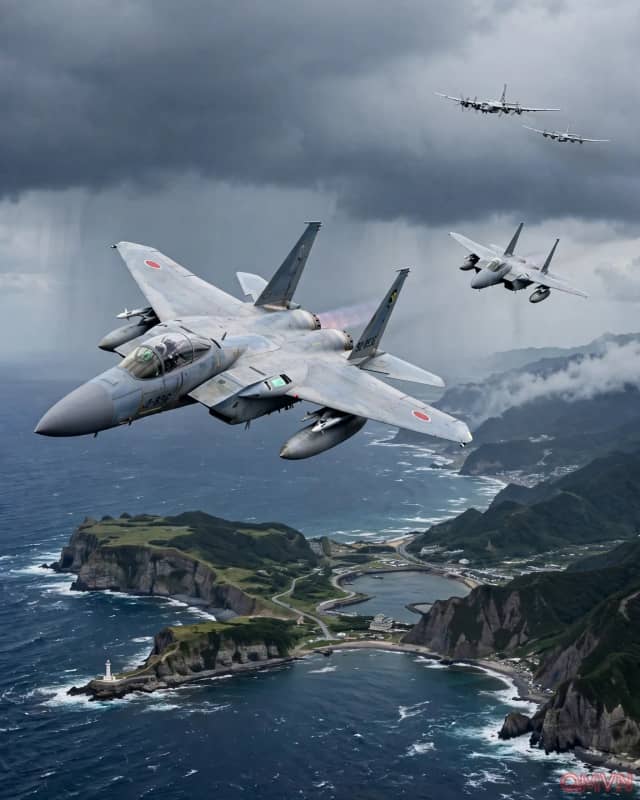
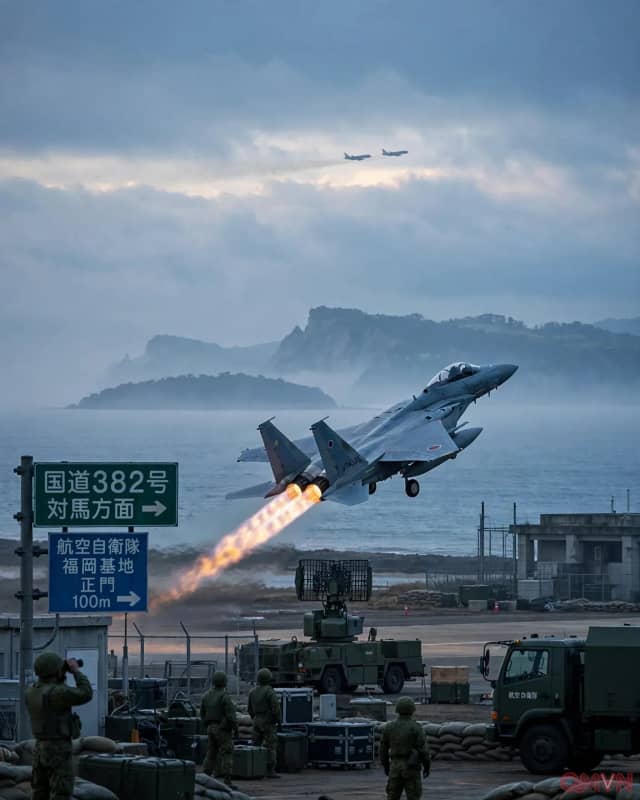
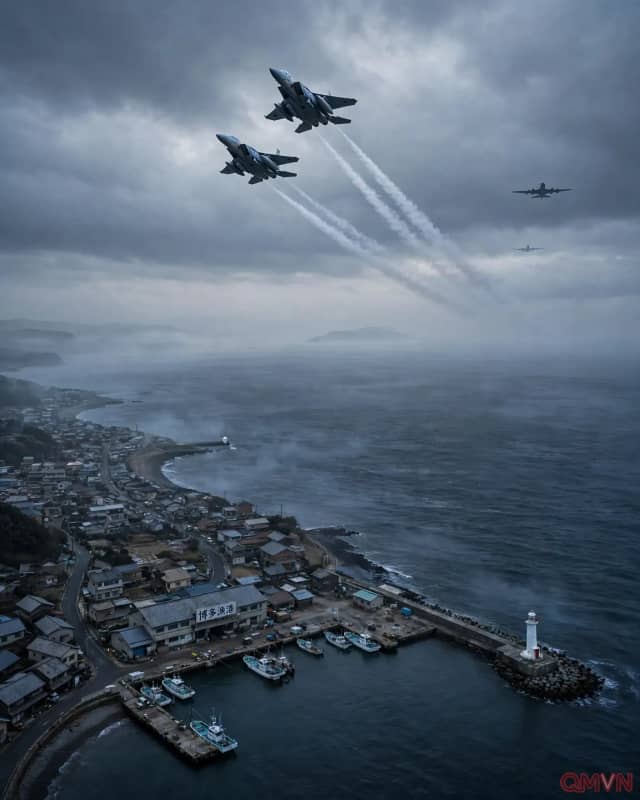
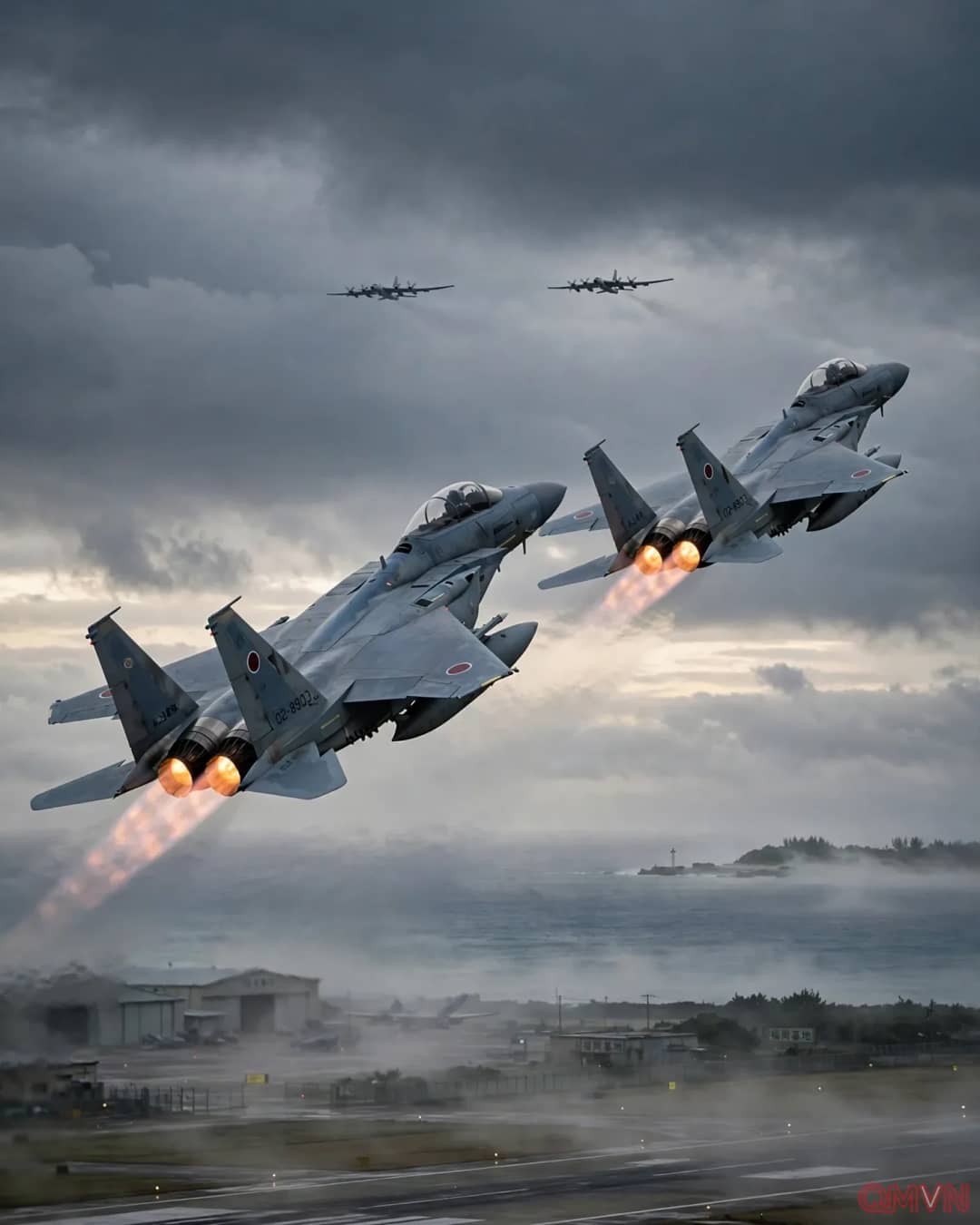
Fighters from the Japan Air Self-Defense Force’s western regional command were scrambled to issue notifications and warnings. Such interceptions are designed to identify, track and challenge aircraft whose movements raise concerns near national territory. Japanese officials reported no armed clash or damage. A scramble, by itself, should not be confused with an aerial engagement: it is a standard early response that gives commanders information and keeps options open while a potentially hazardous flight is monitored.
A flight path through sensitive geography
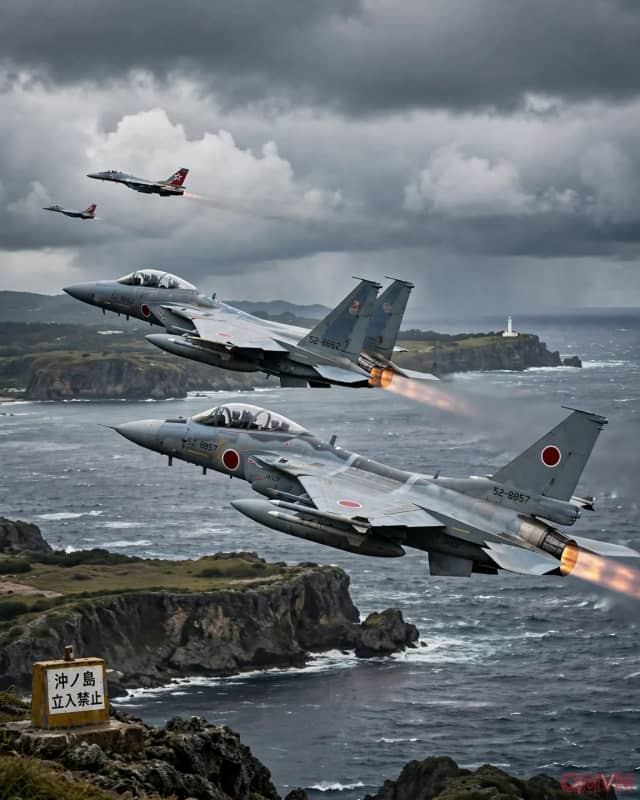
Okinoshima lies off Fukuoka in southwestern Japan and should not be confused with the much more distant island of Okinawa. According to the Defense Ministry, the aircraft subsequently passed the Tsushima Strait and flew between Yonaguni — part of Okinawa Prefecture — and Taiwan before reaching the Pacific.