MAIN CONTENT
Three-minute incursions carry an outsized message
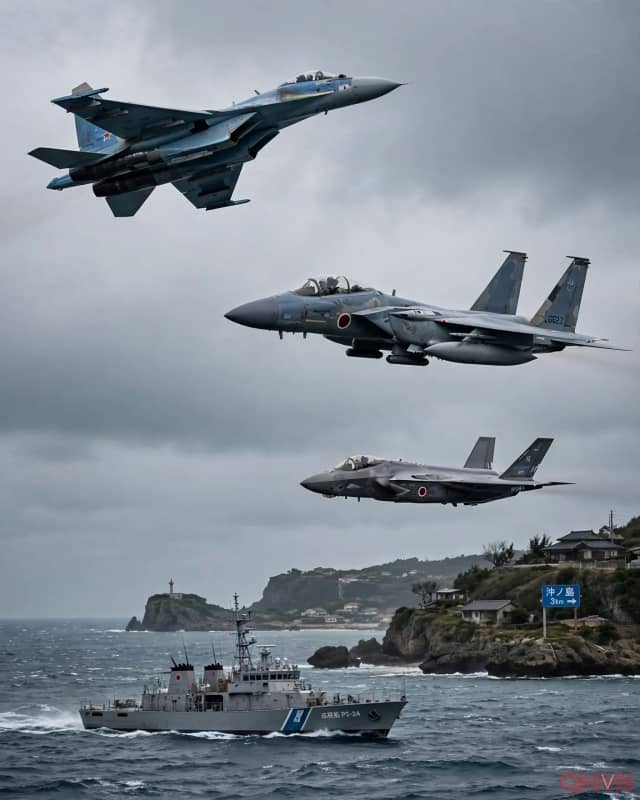
Japan’s official announcement sets out two overlapping intervals, each lasting approximately three minutes, over territorial waters northwest of Okinoshima. This is more precise than early accounts referring generally to roughly five minutes of intrusion. The ministry described the aircraft as presumed Russian and did not disclose their models or the detailed basis for identification.
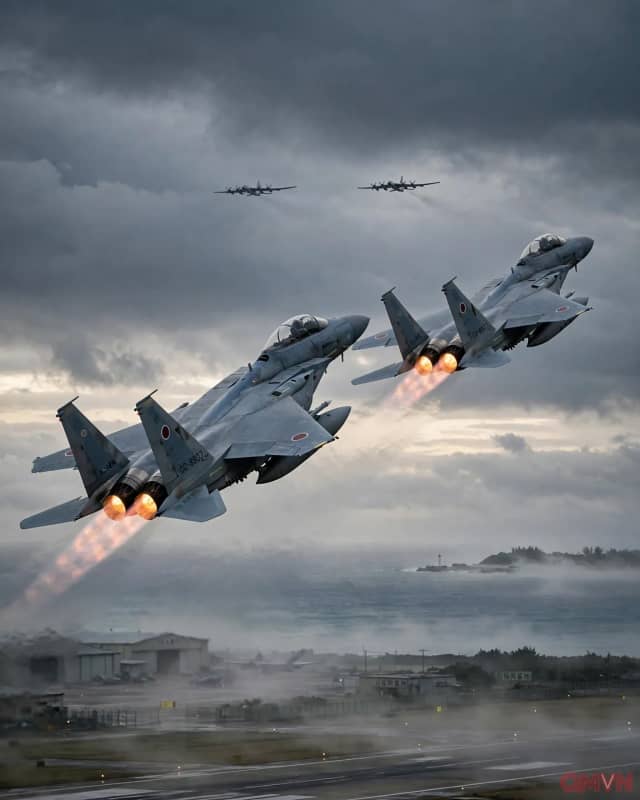
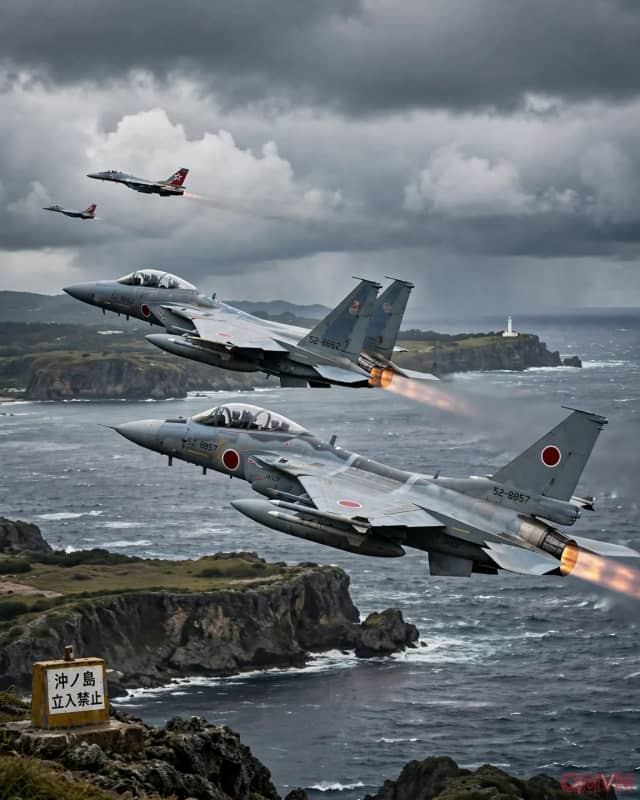
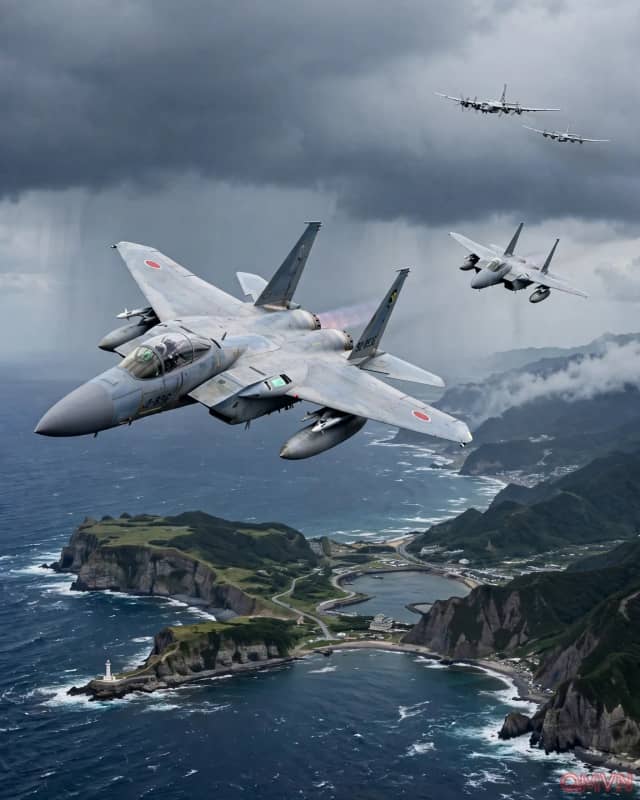
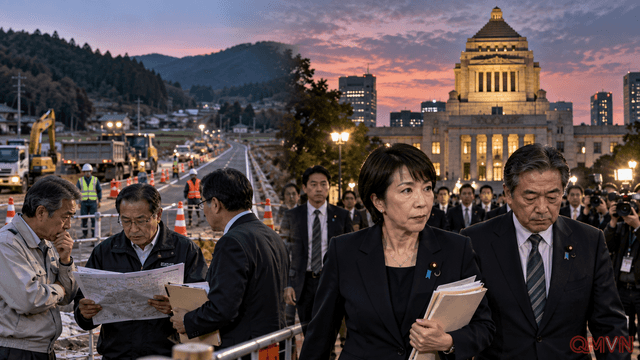
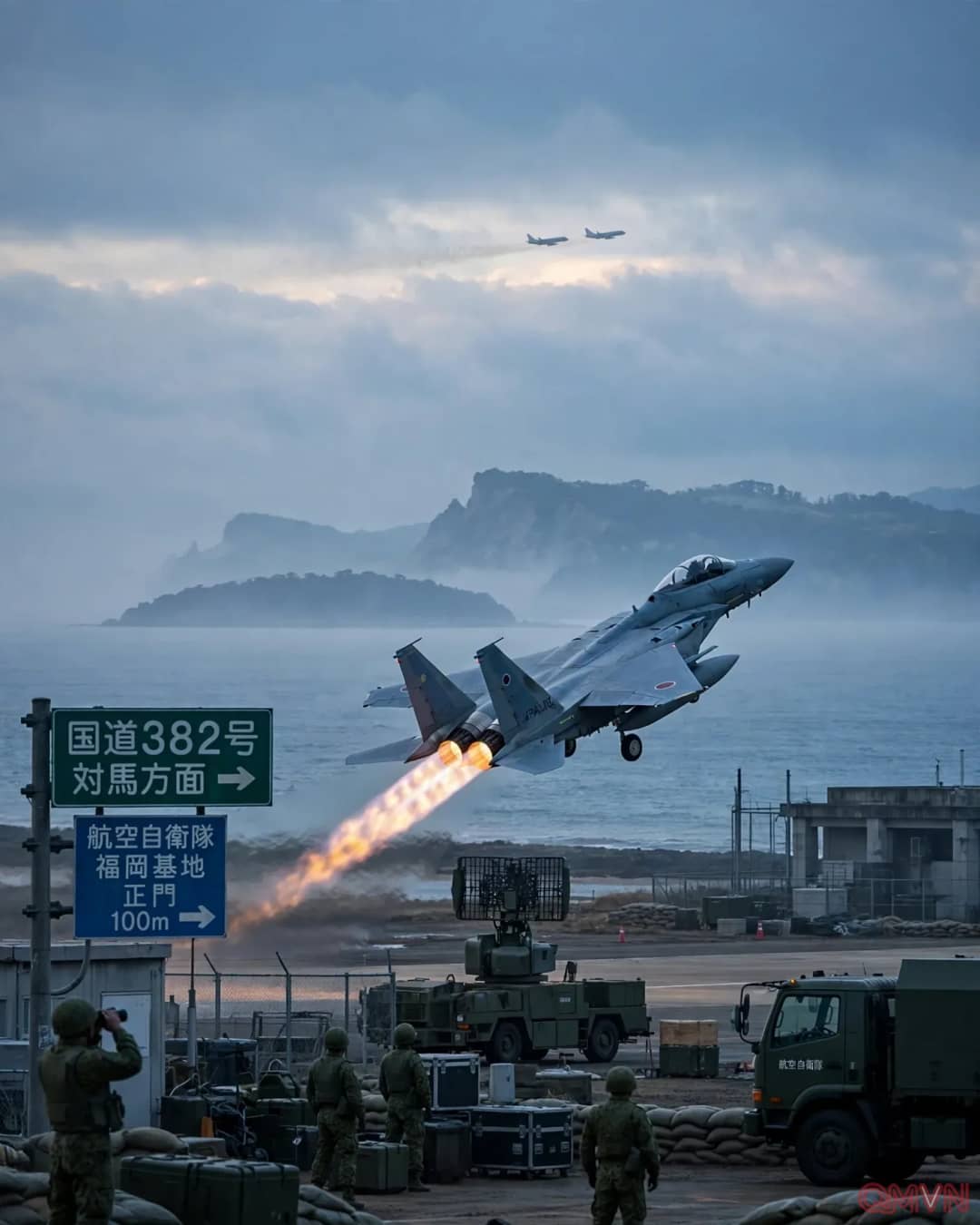
Defense Minister Shinjiro Koizumi said such entry constituted a grave infringement of sovereignty and threatened Japan’s security. Tokyo lodged an exceptionally strong protest through diplomatic channels and requested measures to prevent recurrence. Japan’s fighters were dispatched to identify and warn the aircraft; the available official account does not describe an exchange of fire.
What makes such a short encounter consequential is the boundary it crosses. Sovereign airspace requires consent for foreign military flights, while defensive responses must still be calibrated to avoid turning an incident into a wider confrontation.
A flight path through strategic waters
According to the Japanese ministry, the aircraft crossed the Tsushima Strait, then flew south between Yonaguni and Taiwan before entering the Pacific Ocean. That route runs through a strategically sensitive area linking the Sea of Japan to the western Pacific, where military movements draw intense scrutiny.