MAIN CONTENT
Ten minutes that changed the mission
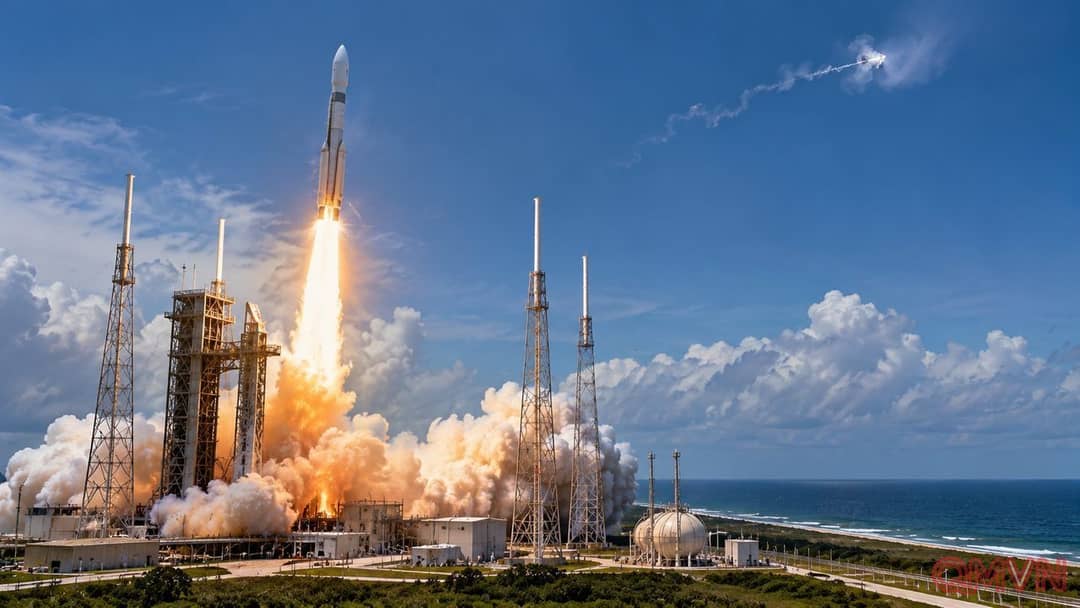
Vulcan lifted off from Space Launch Complex 41 at Cape Canaveral on Sunday afternoon, Eastern time. The first minutes appeared to unfold normally enough to sustain hopes for the mission. Around ten minutes into flight, however, telemetry pointed to an anomaly. ULA later acknowledged that its vehicle had failed to deliver Amazon’s payload to orbit. It did not immediately identify a failed component or provide a definitive sequence of events.
The distinction matters: the timing of a malfunction does not, by itself, establish which stage, engine or control system caused it. Investigators must reconstruct the launch from propulsion, navigation, separation and other flight data. ULA says it will work with Amazon and relevant organizations to determine the cause, devise corrective actions and establish when launches can safely resume.
Why the loss of 40 satellites matters
The 40 spacecraft belonged to Amazon Leo, a planned low-Earth-orbit broadband network designed to connect homes, businesses and communities poorly served by terrestrial connections. The launch was a major step in Amazon’s relationship with ULA and was expected to carry the project’s largest single batch of satellites yet.