MAIN ARTICLE
Ten minutes that changed the mission
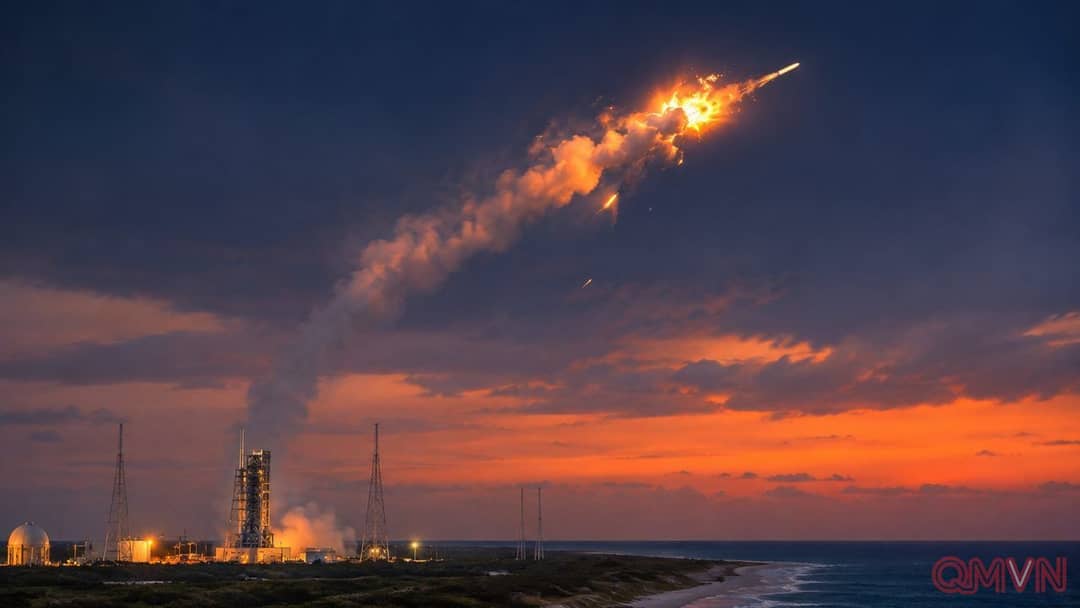
Vulcan lifted off from Space Launch Complex 41 at Cape Canaveral Space Force Station on Sunday, November 15, carrying 40 spacecraft intended for Amazon Leo’s low-Earth-orbit broadband network. ULA’s statement, reported by Reuters and CBS News, said data received by the launch director showed an anomaly approximately ten minutes into the flight. The rocket failed to deliver its payload to orbit. The apparent progress visible during the opening minutes offers only a partial view of what happened inside an exceptionally complicated launch vehicle.
At the time of the announcement, ULA said it lacked the detailed analysis needed to explain the failure. Initial observations placing the trouble after a stage-separation sequence should not be mistaken for a technical finding. Losing 40 satellites is an established outcome; attributing the loss to a specific engine or upper-stage component is not. Flight telemetry, physical evidence and a methodical reconstruction will be required before the company can credibly identify a root cause.
A broken record and the challenge of restoring confidence
Formed in 2006 from Boeing’s Delta and Lockheed Martin’s Atlas rocket programs, ULA built its reputation on high-reliability missions, including launches of sensitive government spacecraft. Its first total mission failure therefore carries consequences beyond one commercial shipment.