Two competing narratives about pressure
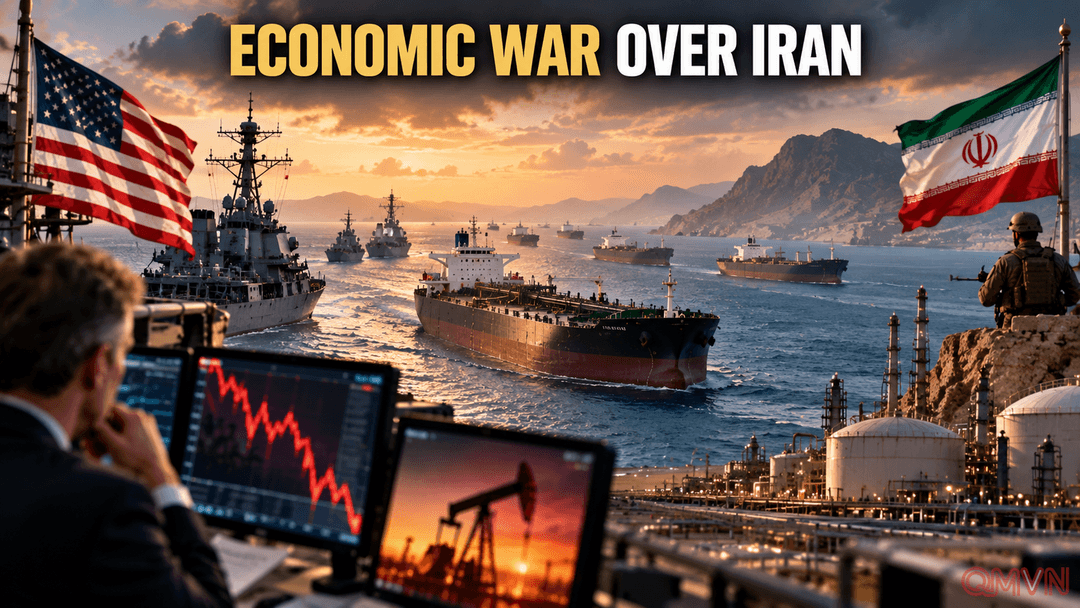
Mohsen Rezaei used an October 6 post on X to attack US Treasury Secretary Scott Bessent and reject Washington’s portrayal of its economic campaign against Iran as a success. Rezaei argued that Bessent’s forecasts of forcing Tehran to concede were unfounded and said Iran would not reopen Hormuz under threats or pressure. The message fits Tehran’s broader framing of the conflict as a test of political will, in which surviving coercion is itself presented as a form of victory.
Yet Bloomberg reporting in early October points to severe domestic strain. Iranian inflation is close to 90%, while the US blockade is restricting oil exports. That does not prove Washington has achieved its strategic aims, but it does show that the economic campaign is imposing substantial costs. The disagreement is partly about how success is defined: Washington points to economic damage; Tehran points to the fact that it has not accepted US terms.
Hormuz as an economic and diplomatic lever
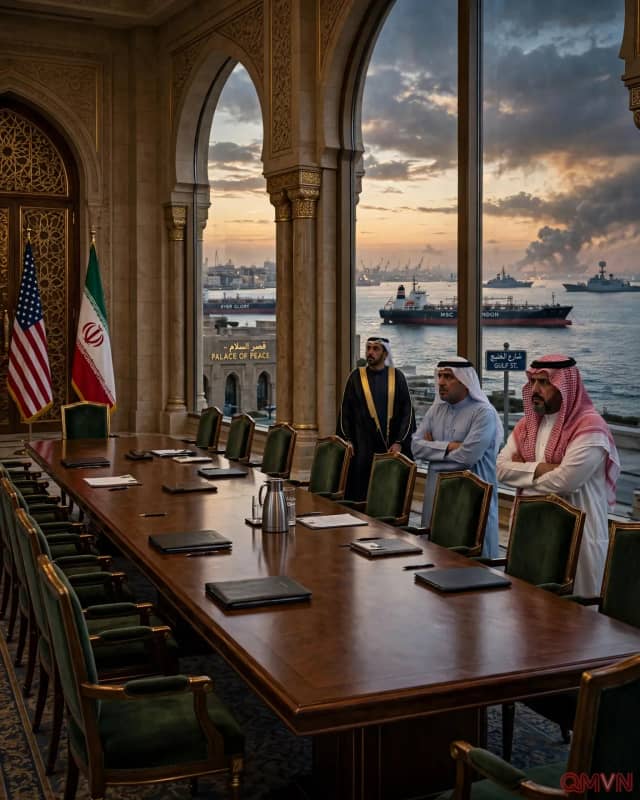
The Strait of Hormuz is now the center of the bargaining. Reuters reported on October 4 that Iranian parliament speaker Mohammad Baqer Qalibaf said the waterway would reopen only after seven conditions in an interim agreement were fulfilled.