MAIN ARTICLE
National dignity and the people living with smoke
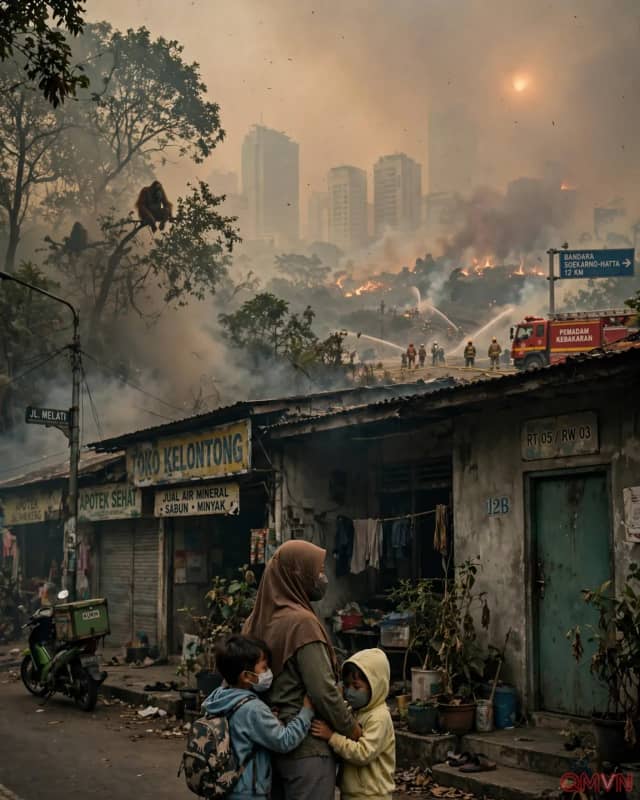
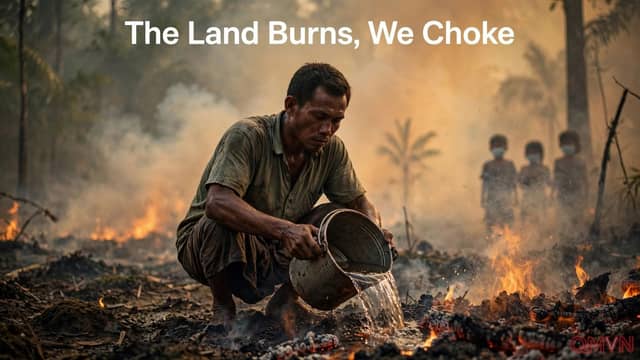
At a cabinet meeting on October 21, Prabowo said Indonesia would not accept being repeatedly insulted and asserted that many corporations were responsible for the crisis. He did not identify the companies or their nationalities. AFP reported that neighbouring leaders had offered help while generally avoiding overt criticism at the highest diplomatic level. Angry comments from individual politicians should therefore be distinguished from the formal position of an entire government or region. The president’s response reflects political tensions, but does not settle the practical questions surrounding the fires.
People on either side of a border need results they can experience: less polluted air, timely information and effective firefighting. A family limiting outdoor activities gains little protection from an argument about which official used the harshest language. Respect for sovereignty and cooperation on emergency assistance can coexist. The useful test is whether discussions make resources available where they are needed and explain how offers of help will be handled. Diplomatic restraint should create space for action, while public concern should remain a reason to respond rather than an irritation to dismiss.
Establishing causes without outrunning the evidence
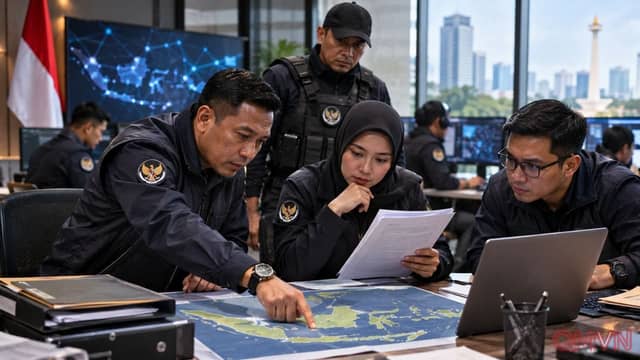
Prabowo asked police, prosecutors and forestry authorities to investigate, with support from the military and intelligence services. He said the fires were not entirely natural and used severe descriptions of deliberate fire-setting. Those expressions represent the president’s assessment; they are not judicial findings that establish particular offences.
His pledge to revoke business licences was also conditional on evidence. Identifying responsibility requires establishing what happened in each case, who controlled relevant activities and what duties applied. A forceful speech cannot replace that work or determine the outcome in advance.
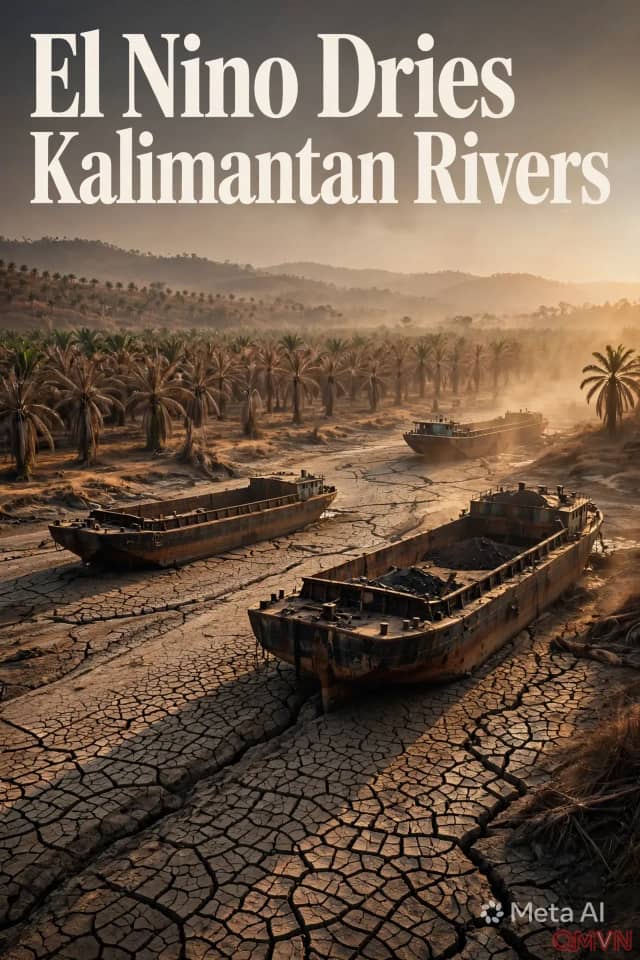
Experts cited by AFP identify land-clearing fires, the loss of protective forest cover and drained peatlands as contributing factors, with El Niño-related drought worsening conditions. Weather does not remove questions about land management, just as suspicion of a company does not establish liability. Reuters reported on October 22 that hotspots had eased, but uneven rain left risks unresolved. A temporary improvement therefore should not be confused with the end of the emergency. Officials still need to explain where protection is improving and where communities remain exposed to continuing or renewed fires.
A court case brings public protection into focus
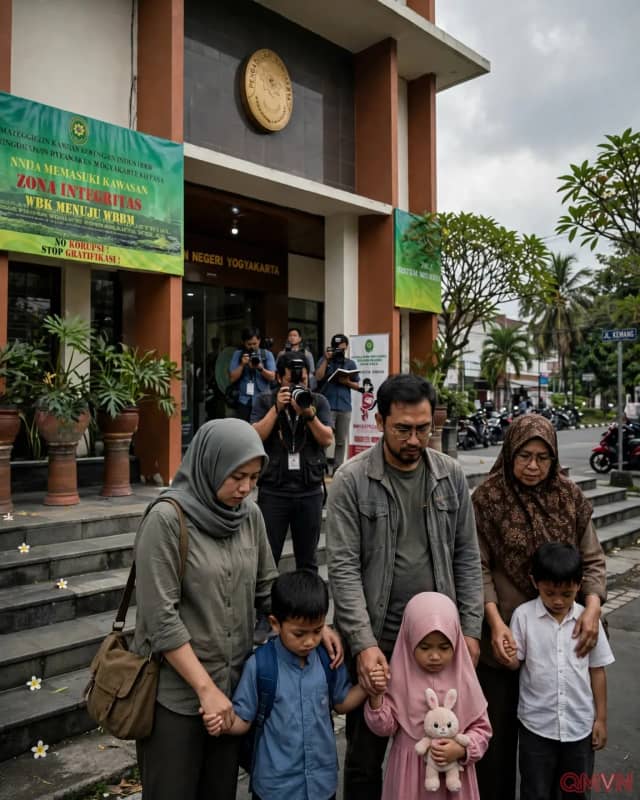
In Pontianak, West Kalimantan, a court began hearing arguments on October 21 about whether a residents’ class action could proceed. AFP reported that the case targets Prabowo and 26 other officials and alleges failures in responding to fires that harmed public health. These are the claimants’ allegations, subject to legal examination. They should not be presented as an existing judgment against the state. What is established is that residents are using a legal procedure to demand accountability, seeking an explanation of how public duties were performed during the crisis.
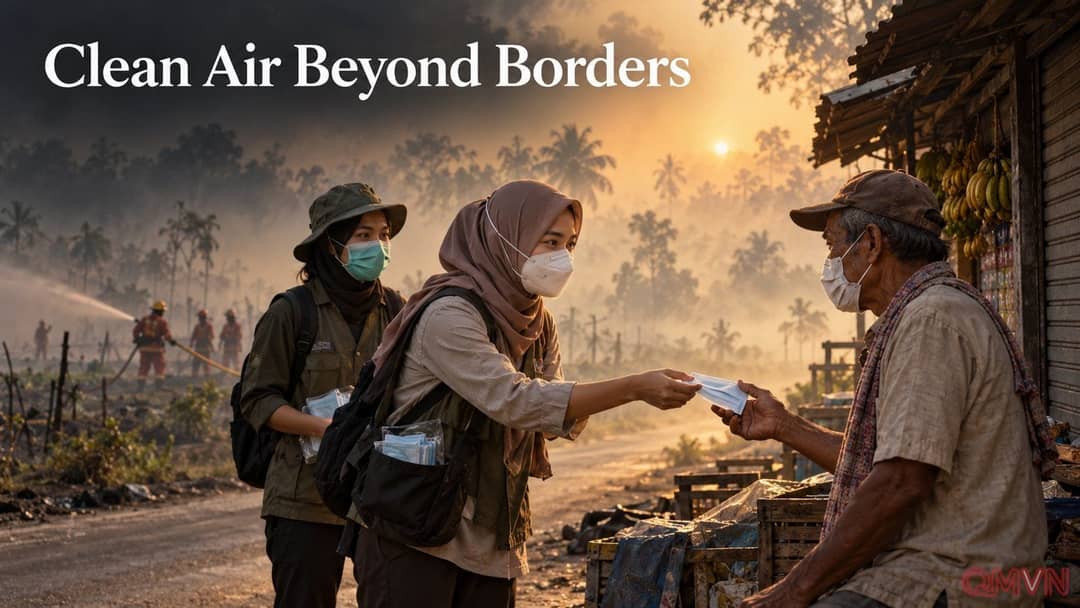
The demand for cleaner air reaches beyond a single case. WHO identifies fine particles in wildfire smoke as a health concern, especially for children, older people and those with existing illness. Its general guidance includes following local advice, reducing exposure and seeking cleaner spaces. Yet the ability to act differs. Outdoor workers may be unable to leave their jobs, and homes offer unequal protection from smoke. Public assistance should take those constraints seriously. Advice becomes more useful when communities also have accessible places, information and support that allow people with limited choices to follow it.
The months of disruption before the president’s warning
The emergency had lasted for months before the cabinet meeting. Nusantara Atlas, an independent satellite-data monitor, estimated that more than 1.9 million hectares burned between January and September 2026. This is a source-specific estimate for a defined period, not an instantaneous measurement of all current fires. AFP reported haze impacts in Malaysia, Singapore and Timor-Leste, alongside pressure for regional discussions through ASEAN. The October 21 remarks therefore followed an accumulation of disruption and frustration. They cannot be understood solely as a sudden disagreement over diplomatic language, separate from the longer experience of affected communities.