MAIN ARTICLE
How two cafés became an international story
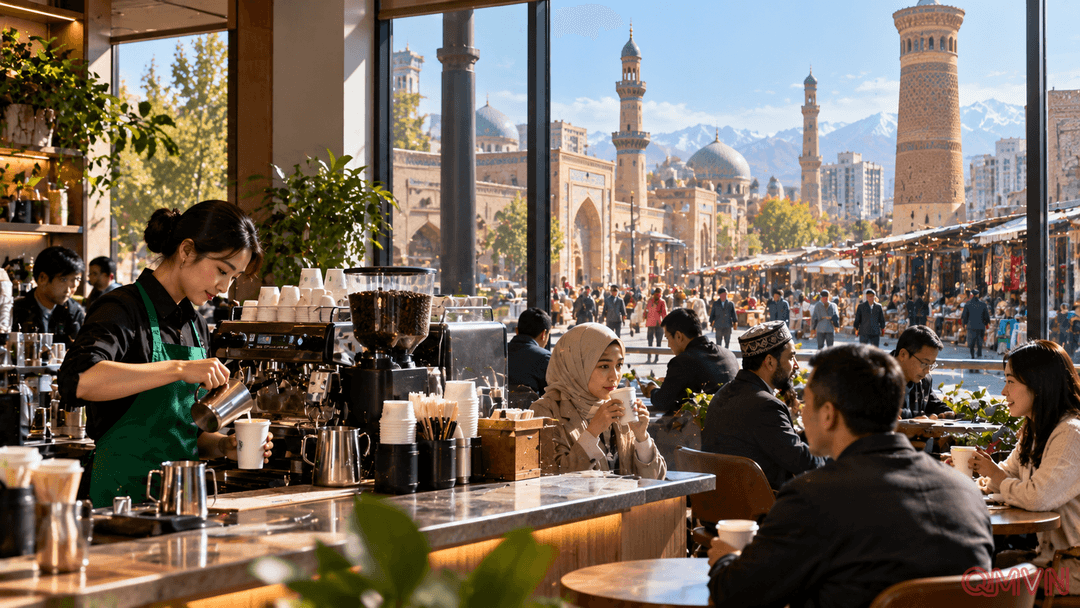
Starbucks opened its first two Xinjiang shops this week, according to Reuters. One is at Urumqi’s Grand Bazaar, a center for commerce and visitors, while the other is at the international airport. Store launches are normally judged by customer traffic, rent and purchasing power. Here, the locations transformed a commercial decision into a diplomatic and political discussion.
In a statement issued on October 1, Representative John Moolenaar called on Starbucks to reverse course and close both stores. He cited accusations involving detentions and restrictions on Uyghur religious and cultural freedoms. His remarks are a publicly expressed political position, rather than a finding that the new cafés themselves engaged in abusive conduct.
As of Reuters’ October 2 report, neither Starbucks nor China’s Foreign Ministry had immediately responded to requests for comment on his demand. Consequently, no decision to reverse the opening, nor any potential official response, can be treated as established.