MAIN STORY
A river that can no longer carry the harvest
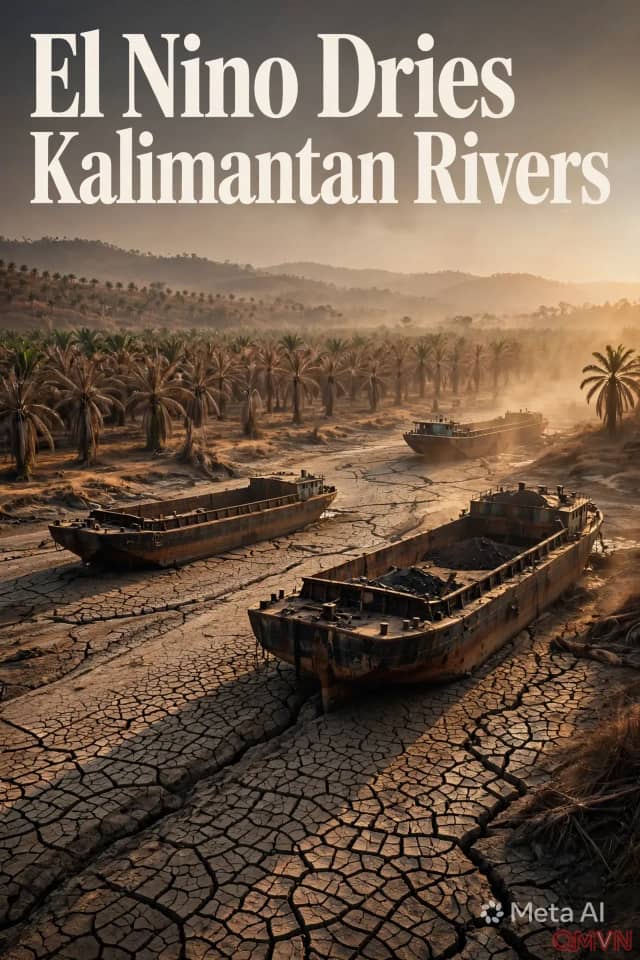
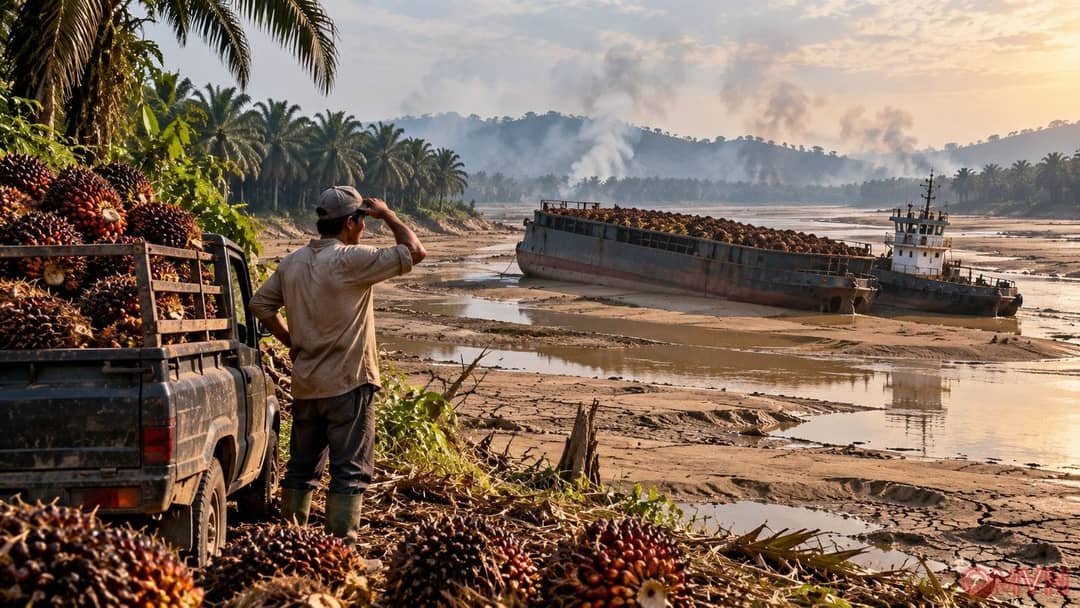
Stretching 1,143 kilometres, the Kapuas is Indonesia’s longest river and a commercial artery linking West Kalimantan’s inland palm oil industry to its markets. According to GAPKI, roughly 40% of the province’s palm oil travels along this waterway. Weeks of drought have exposed sandbanks and left tugboats and barges stranded. The normal sequence of crushing fruit, storing oil and shipping it onwards has been obstructed at its final stage.
Without a reliable exit route, mills accumulate processed oil until their tanks are almost full. Multi Prima Entakai in Sanggau held 8,200 tonnes of crude palm oil on October 1, against a tank capacity of 8,500 tonnes. Its purchases of fresh fruit bunches fell to around 10,000 tonnes in September, compared with 30,000 tonnes in July. Reduced buying does not necessarily mean that end consumers have stopped needing palm oil: an immediate explanation is that the product cannot be transported away.
Road haulage cannot quickly replace river barges. A manager at the mill said it would normally move 2,000 tonnes in four days, but trucks sometimes handle only 100 tonnes a day, at roughly three times the cost. These differences in carrying capacity and expense explain how falling water levels can paralyse production across a much wider agricultural district.