MAIN CONTENT
What exactly is a light-day?
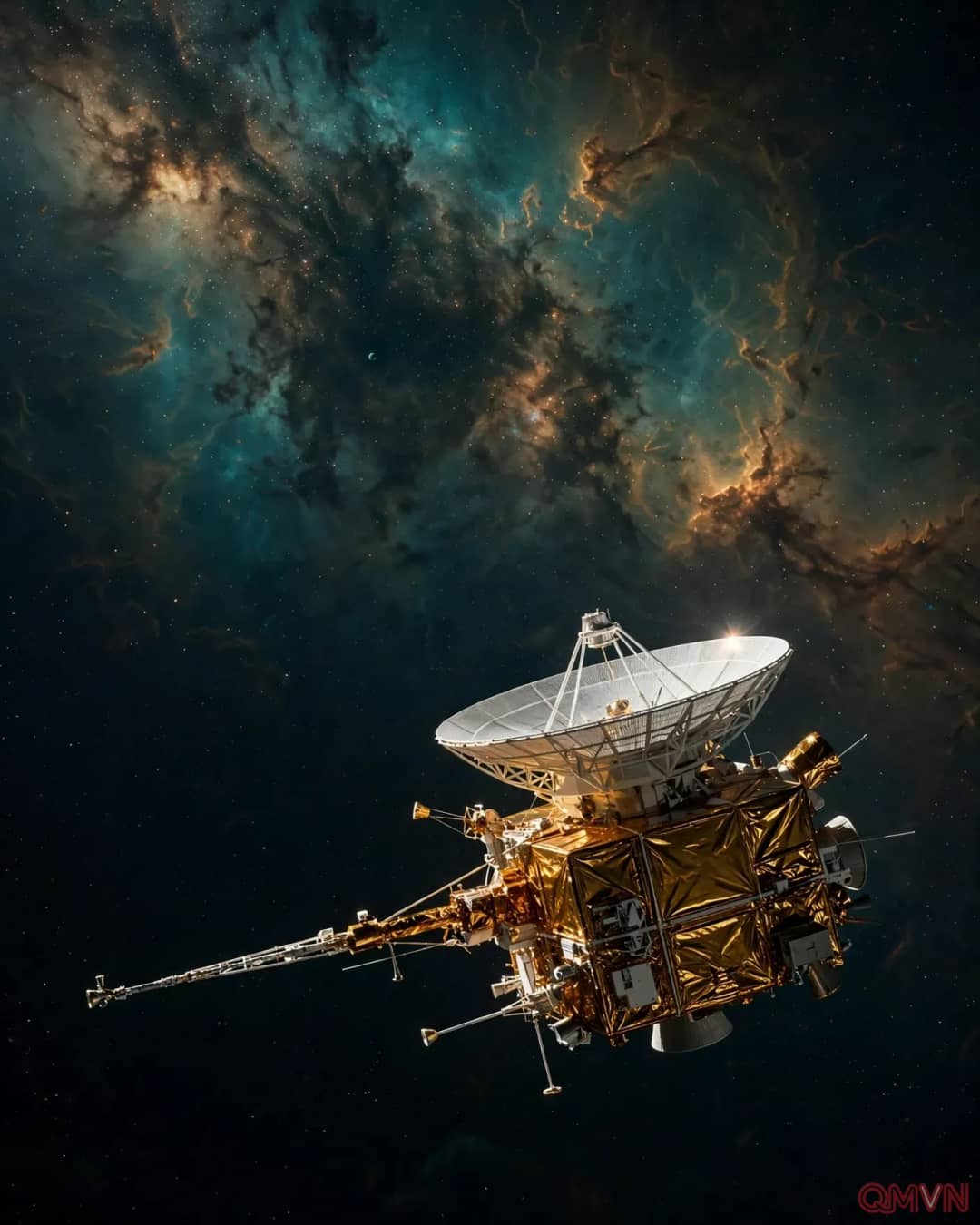
NASA defines a light-day as the distance light travels through a vacuum in 24 hours, approximately 25.902 billion kilometers. It is a unit of distance, not a claim that Voyager 1 traveled for only a day. The spacecraft has needed more than 49 years to reach a boundary that a beam of light can cross in one day.
NASA places the crossing at 5:16:07 a.m. EST on November 18, 2026. The figure measures distance from Earth, not from the Sun, and the distinction matters because Earth follows its own orbit. Astronomical milestones depend on clearly stated reference points, not merely impressive numbers.
At that distance, a command transmitted from Earth takes a full day to arrive. A response sent immediately would require another day on the return leg. Engineers cannot control the spacecraft as if it were a robot on a factory floor; every instruction must anticipate a long silence before confirmation.
From the giant planets to interstellar space
Voyager 1 launched on September 5, 1977, shortly after its twin, Voyager 2. Flybys of Jupiter and Saturn returned transformative observations of planetary atmospheres, rings and moons, broadening understanding of the outer solar system.