MAIN CONTENT
A deadline aimed at one company
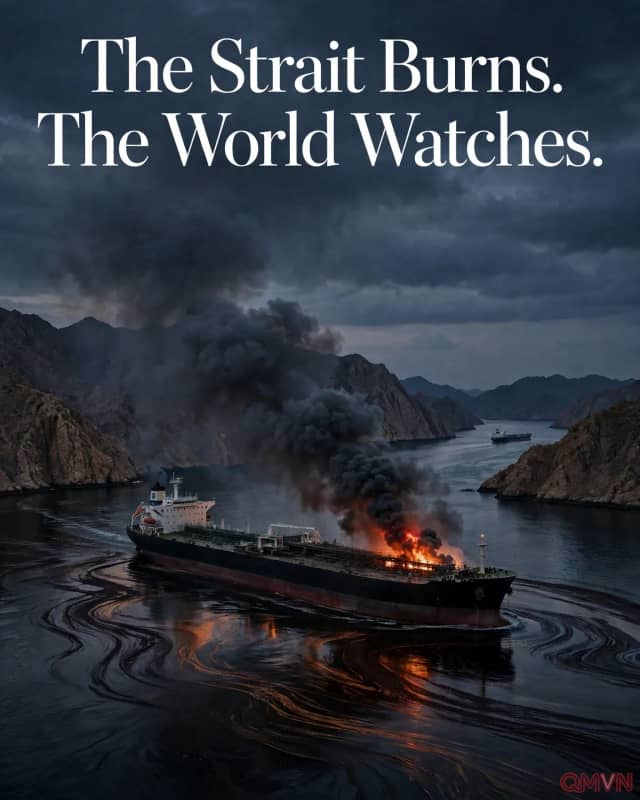
In a statement posted on X on Tuesday, the Persian Gulf Strait Authority said Sinokor's ships had recorded the highest number of crossing violations in the waterway over the past three months, and that “appropriate actions” had already been taken against at least seven of them. From November 1, it said, every vessel belonging to the company would face legal action. Sinokor did not immediately respond, Reuters reported.
The authority did not explain what legal action would mean in practice, but Tehran's recent conduct offers clues. In August, Iran published a list of 45 tankers it accused of breaking its transit rules, warning of fines and detention, and Sinokor ships were already on it. What is new is the scale: rather than naming individual hulls, Iran is now targeting an entire fleet, and with it the business model of one of the world's largest supertanker owners.
Why Sinokor stands out
Led by the famously private shipping magnate Ga-Hyun Chung, Sinokor spent the months before the war buying supertankers at an unprecedented pace. Rivals estimate that it came to control around 150 very large crude carriers, a substantial share of the vessels available for hire.