Robots that go where rescuers cannot
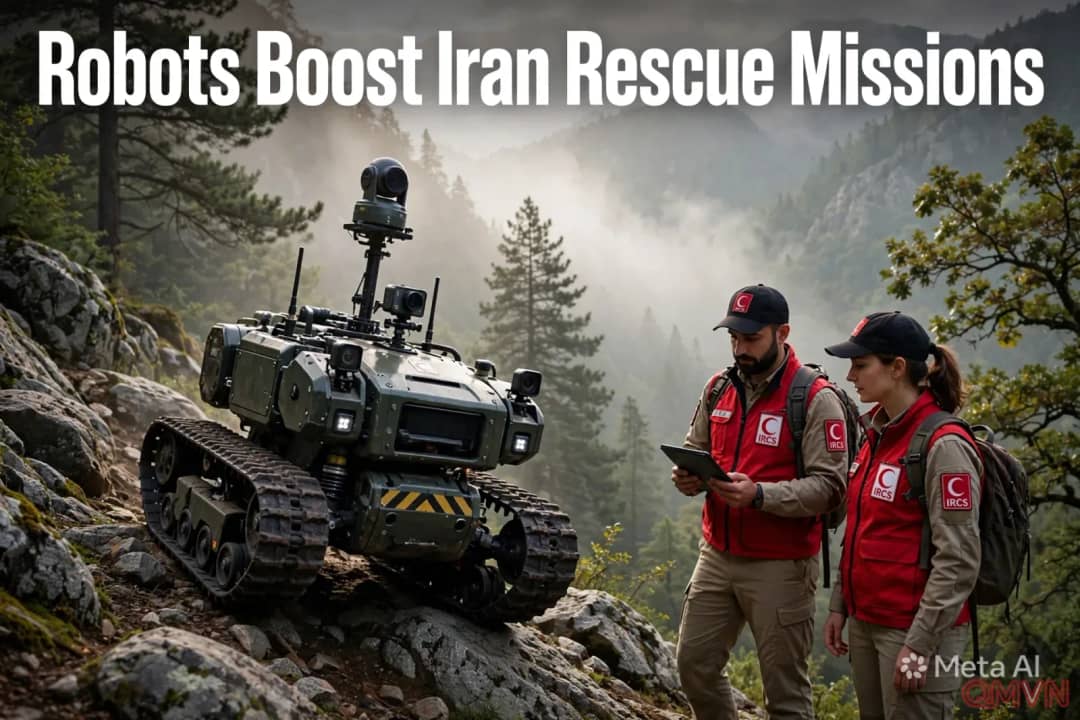
According to Mahmoudi, the new robots will first assess hazardous environments, measuring heat, sound and gas levels and identifying threats before rescuers step inside. By sending live pictures to command teams, they are meant to help commanders choose the safest and quickest approach for each scenario, whether a building has collapsed after an earthquake or a hiker is missing in rough terrain.
Mahmoudi was careful to frame the technology as a support tool. The robots, he said, will not replace human forces; instead, they will allow rescuers to operate remotely in the most dangerous zones, reducing the risk that those who come to save lives will themselves become victims.
A growing homegrown fleet
The IRCS says the programme is built on domestic manufacturing, a priority for a country that has long faced sanctions limiting its access to foreign equipment. The key features described by officials include:
- Cameras, thermal sensors, and sound and gas detectors to analyse hazardous environments and detect signs of life.
- The ability to navigate mountains, forests and other places that are hard or dangerous for people to reach, collecting images and data for rescue teams.