MAIN STORY
Why electricity determines the aluminum map
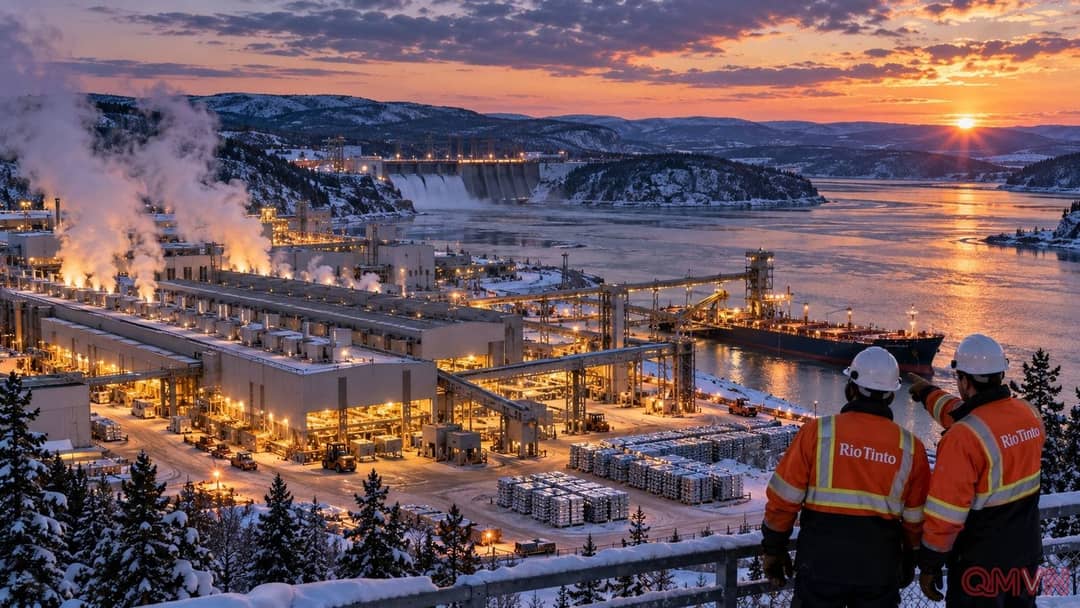
Primary aluminum production is unusually energy-intensive. Electricity is not a marginal expense but one of the fundamental determinants of whether a smelter is commercially viable. Saguenay’s hydropower system, developed over generations, gives its facilities an advantage that many American regions cannot readily duplicate. Rio Tinto, the operator of major Quebec smelters, generates most of the electricity they consume from its own hydropower assets. The company says approximately 70% of the output from its Saguenay operations crosses into the United States.
That industrial geography was not an accident. During World War II, American demand for aircraft and other military equipment helped spur the rapid expansion of Canadian power plants and aluminum production. The resulting cross-border network survived successive political cycles. Data compiled by the U.S. Congressional Research Service show Canada accounted for 43% of the value of American aluminum product imports in 2025, a different measure from the share of primary aluminum imports cited in discussions of smelter dependence.
Costs arrive faster than capacity
The administration argues that domestic smelting is indispensable for national security. Supporters say cheap imports helped hollow out a strategic capability, while recycling alone cannot satisfy every aerospace, defense and high-purity technology requirement.