Ten weeks on, the search has not ended
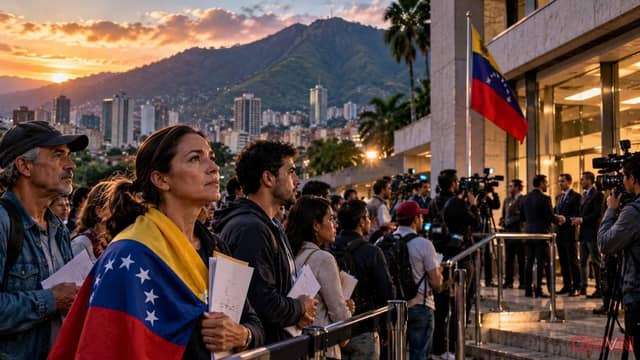
On a recent Saturday morning, Antonella Molina, Pedro Molina and friends set out at 8 a.m. carrying flyers with Andrés’ photograph. They walked carefully through areas of La Guaira that remain strewn with broken concrete. Andrés has not been heard from since the June 24 earthquakes. For his family, the passage of time has not turned disappearance into certainty. Without evidence of what happened, they keep searching.
The 10-storey apartment building where Andrés lived collapsed. Relatives later recovered the bodies of his mother and brother, but Andrés was not found. Neither was the backpack he almost always carried. That ordinary missing object has become one reason for hope: perhaps he had left before the building came down. After disaster, small personal details can become the clues families use to keep going.
A family has already lost too much to stop looking
Pedro told AP that uncertainty has left the family suspended between grief and hope. They have checked hospitals, morgues and places where survivors were taken. Antonella has travelled through other areas, asking residents and distributing flyers. It is repetitive work with no guarantee of an answer.
The family has already experienced confirmed bereavement, but Andrés’ disappearance creates a different kind of pain: absence without conclusion. In humanitarian practice this is often described as ambiguous loss. Reliable information and a trustworthy tracing mechanism are therefore not bureaucratic extras; for families, they can be part of emotional recovery.