A quiet wave of self-governance
According to Jiji Press, regional management organisations have become an increasingly familiar sight across Japan. In fiscal 2025, which began in April 2025, the country recorded 8,587 of them, up 394 from the previous year, operating in about 900 cities, towns and villages.
The growth is especially striking in historical perspective: in 2016, the number stood at just 3,071. In less than a decade, the model has nearly tripled, reflecting the urgent needs of localities short of young people to keep community life going.
What RMOs are and what they do
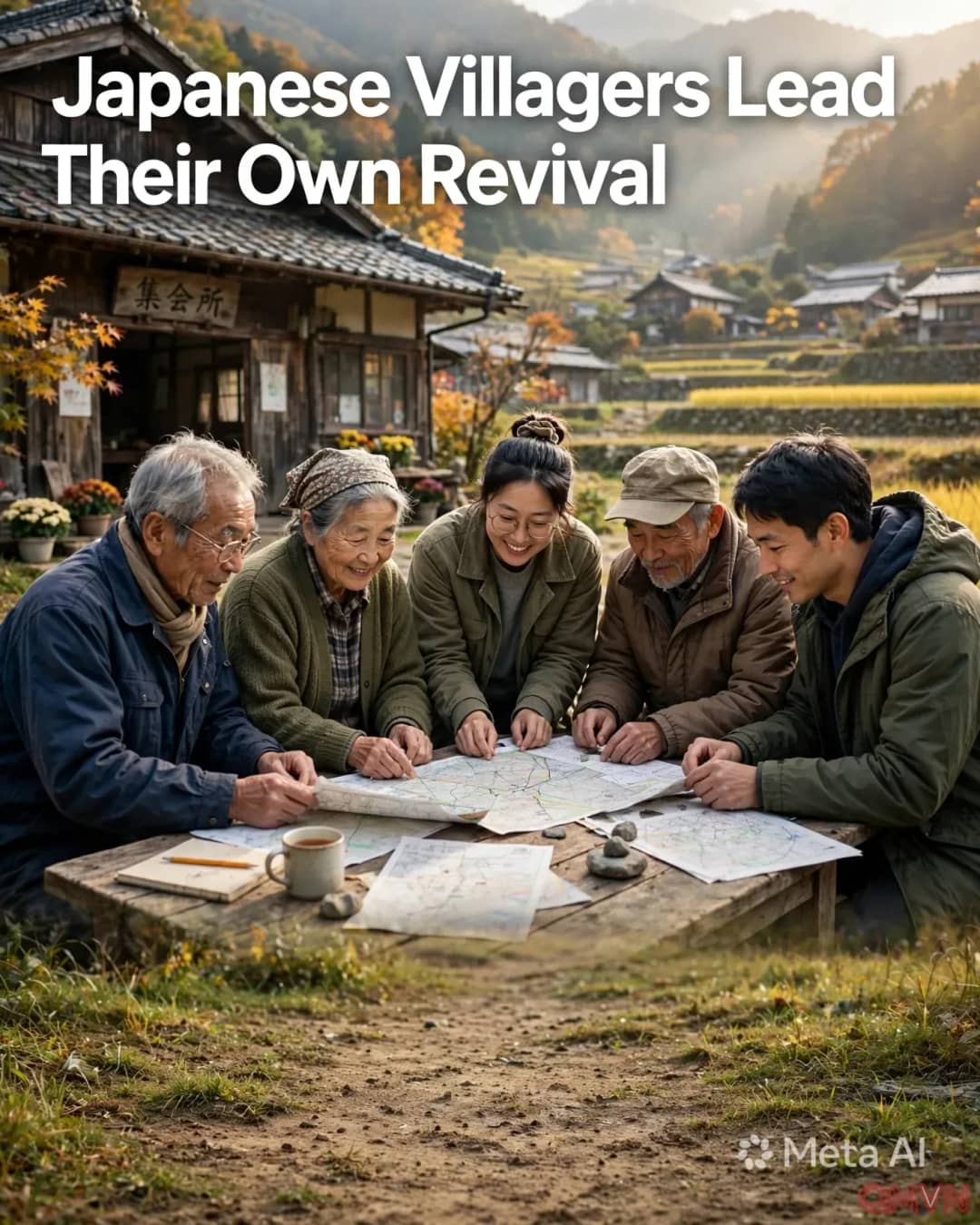
Japan's Ministry of Internal Affairs and Communications defines an RMO as an organisation formed by residents to protect local life, bringing together neighbourhood associations, parent groups, welfare groups, volunteer fire brigades and small businesses. They usually operate within the area of a single primary school district. Common fields of activity include:
- Organising festivals, sports days, concerts and community exchange events.
- Health promotion, prevention of long-term care needs and visits to older people living alone.
- Disaster drills, shopping assistance, transport for residents and community bus services.